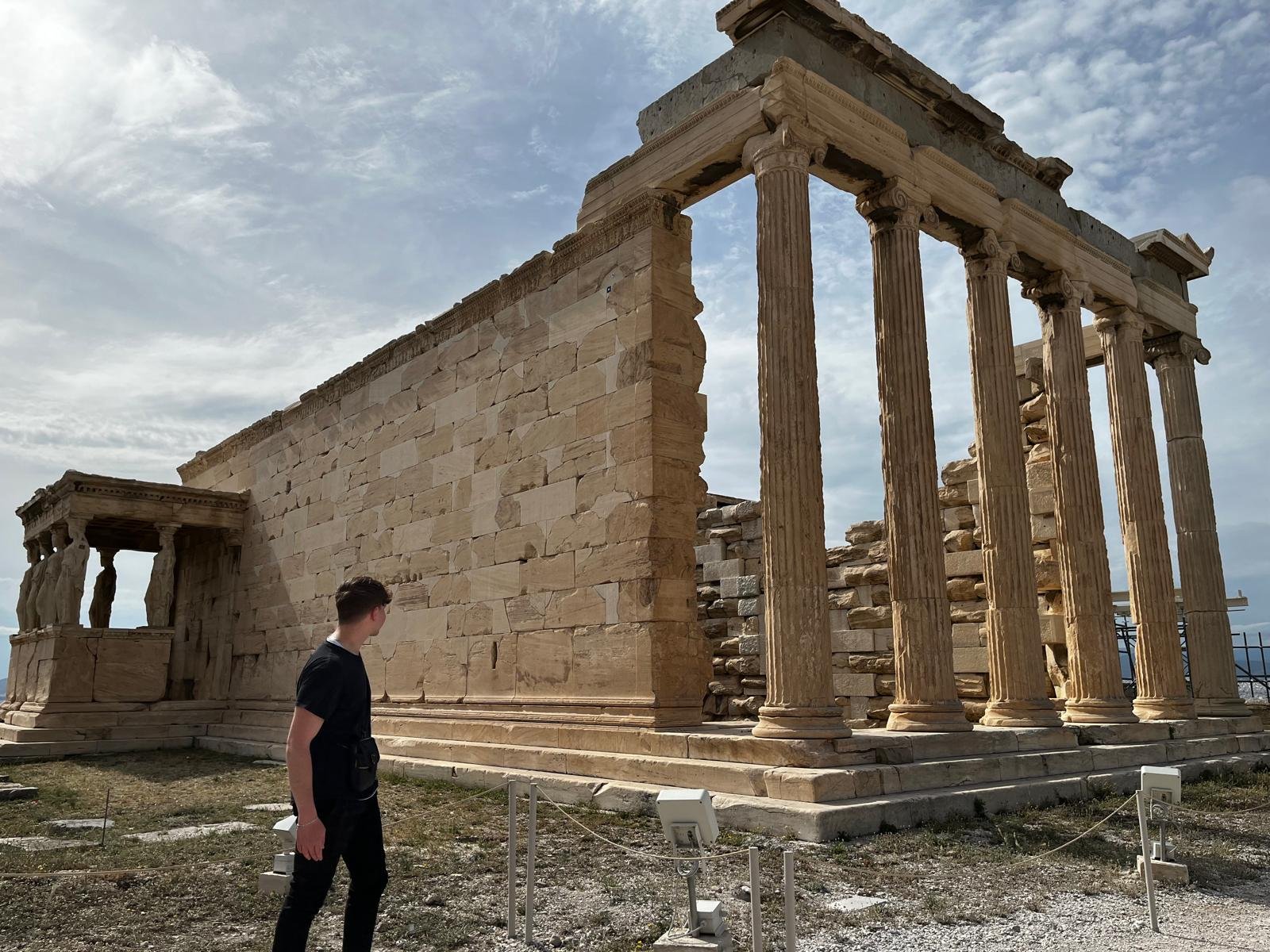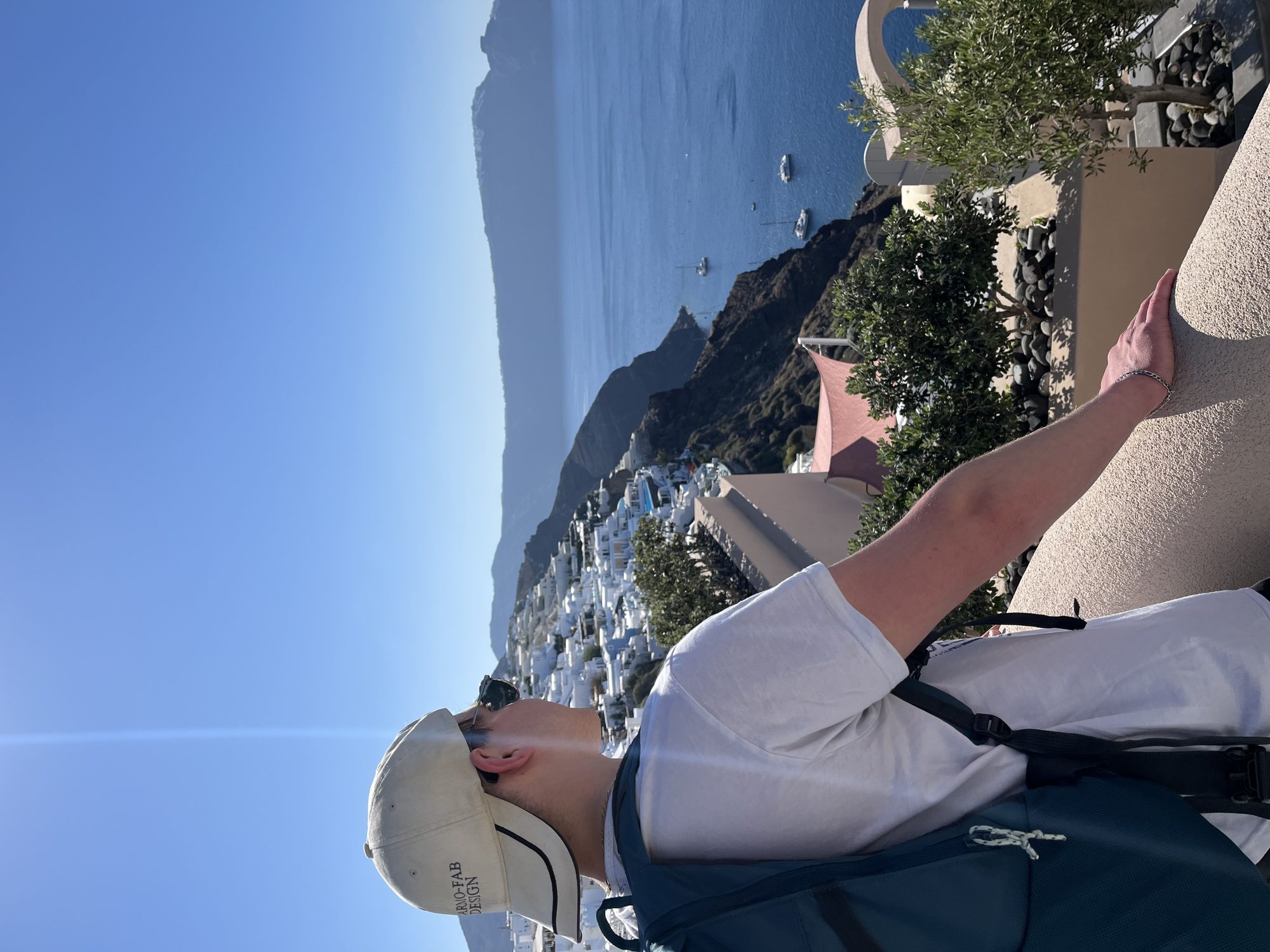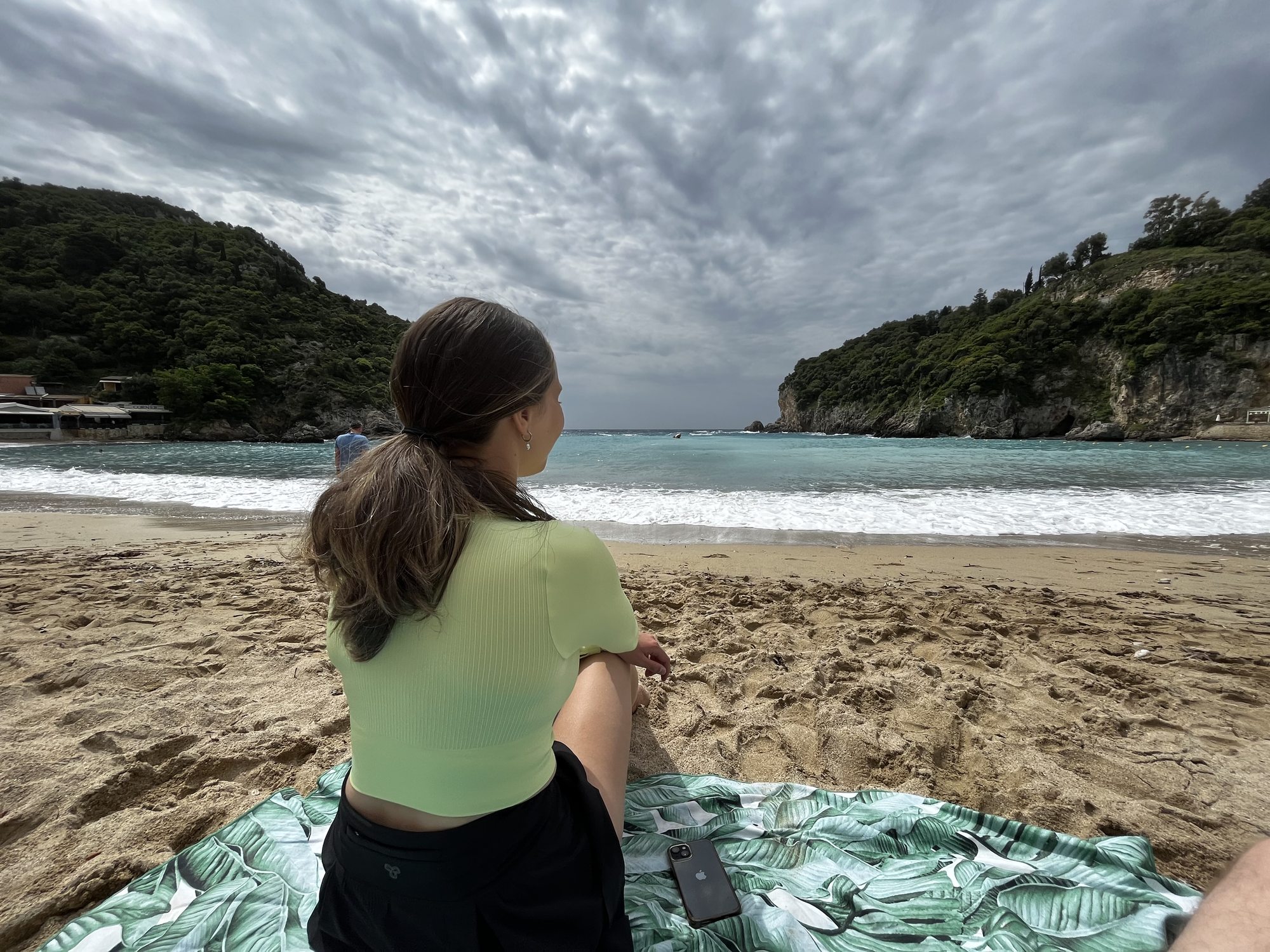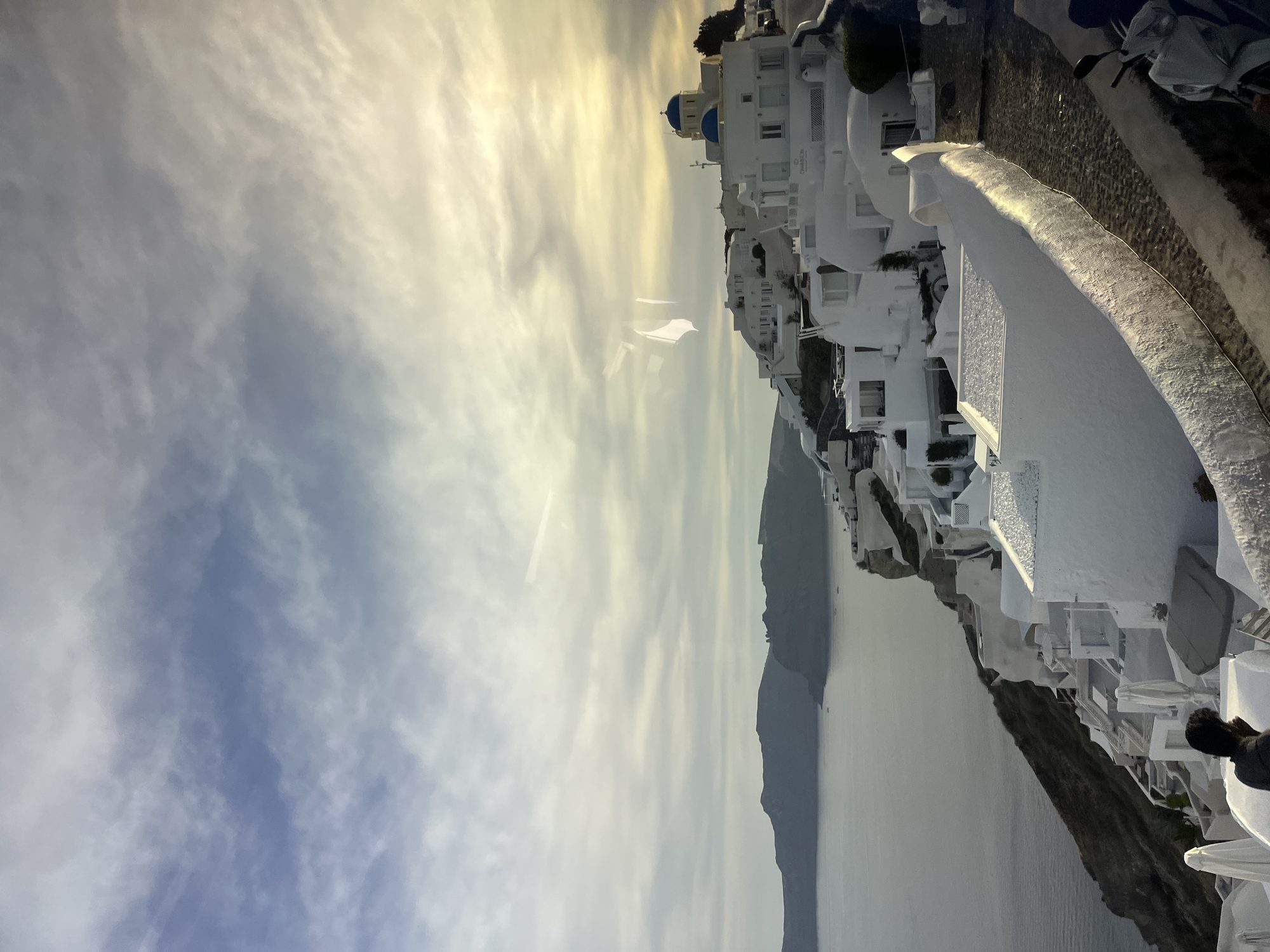
Everyone arrives in Greece with the same two or three images already in their head, and most people plan the trip around the photographs instead of around themselves. These are the PONTUS guides to doing it the other way: working out which island actually fits the way you travel, how much time Athens really needs, and what the famous comparisons look like once someone has stood in both places.
Every piece below was walked, photographed, and written first-hand. Start with the verdict you came here for, or read the city guide first and let the islands follow.
Planning the whole trip? The full day-by-day is here — the 7-Day Greece Itinerary, or the longer 10-Day Greece Itinerary that adds Crete — both with real, dated July 2026 costs.
The Guides
The city. Athens — an honest first-person guide. Older than almost everything, walked by everyone who ever mattered to Western thought, and somehow still alive. The case for giving it the week most people give two days.
The big verdict. Athens vs Santorini. Same country, two completely different feelings — and, from someone who has done both, not a close call.
The island debate. Mykonos vs Santorini. The most argued-over question in Greek travel, answered honestly from both islands — and the verdict you actually came here for.
For two. Santorini or Mykonos for your honeymoon. From someone who took his girlfriend to one of them, and knows exactly why the other would have been the wrong call.
The reality check. Is Santorini overrated? The crowd videos are brutal and the Instagram gap is real — so is it overrated, or are we judging the wrong thing entirely?
The one most people skip. Corfu — the Greek island that doesn't feel Greek. Five days on the green, Venetian, slightly-tropical island most travellers pass over on their way to Santorini.
The whole trip. Athens, Santorini & Mykonos in seven days. The right order, the ferries that matter, the days you actually need on each — built from a real trip, not a tour-operator template.
When to go
Greece has a narrow sweet spot, and most people miss it by aiming straight at the summer holidays. July and August are the hottest, most crowded, and most expensive weeks of the year, with the meltemi wind whipping across the Cyclades. The travellers who come back happiest tend to go in the shoulder — mid-May into June, or September into early October — when the sea is warm, the islands are still fully open, and the same room costs a fraction of its August rate. Athens is a real city that rewards a visit in any season; most island infrastructure, by contrast, closes from November to March.
Getting around — Athens is the hub, the ferries are the trip
Nearly every Greek island itinerary routes through Athens, whether you fly in or sail out of the port at Piraeus. From there you choose between two very different things. A domestic flight to Santorini or Mykonos takes about forty-five minutes and skips the best part of the journey; a ferry takes longer — roughly five to eight hours to Santorini, less to Mykonos — and hands you the deck, the approach, and the feeling of actually crossing water to arrive somewhere. Between islands, summer ferries run often and winter ones barely run at all, so on the islands you book the boat before the room. And count your transfer days honestly: a "week in Greece" spread across three islands is really four days of travelling.
Which island is actually you
The mistake is choosing the island from other people's photographs. Choose it from the way you travel instead.
The caldera, the sunset, the once-in-a-lifetime view → Santorini. Nightlife, beach clubs, and energy → Mykonos. Green, walkable, uncrowded, and barely Greek → Corfu. History and a real city rather than an island at all → Athens — which most people give two days and should give a week. The full arguments live in the guides above.
What Greece costs, honestly
Greece is not uniformly expensive — it just has a few very expensive postcards. Santorini in high summer is the priciest thing in the country, and a caldera-view room in Oia is the single biggest line item most trips carry. Athens, Corfu, and the islands the crowds skip are far gentler, and travelling in the shoulder rather than the peak takes a meaningful bite out of the whole trip without costing you the weather.
Greece — the questions we're asked most
When is the best time to visit Greece?
Late spring and early autumn — roughly mid-May into June, and September into early October. The sea is warm, the light is long, and the crowds and prices sit well below the July–August peak while everything on the islands is still open. Summer is hottest, busiest, and dearest; winter belongs to Athens, when most island infrastructure closes.
How many days do you need in Greece?
Seven to ten days for a first trip — enough for Athens and two islands without living on ferries. A useful rule is not to change islands faster than about one ferry every three days, or the trip turns into transit. With only a week, do Athens and one island properly rather than three in a blur.
Which Greek island should you choose?
It depends on what you actually want. Santorini for the caldera and a once-in-a-lifetime view; Mykonos for nightlife, beach clubs, and energy; Corfu for green, walkable, uncrowded days that barely feel Greek. If you want history and a real city rather than an island at all, give Athens the time most people don't.
Is Athens worth visiting, or just a stopover?
Worth far more than the day or two most itineraries grant it. Athens is older than almost everything and still fully alive — layered, walkable, and cheaper than the famous islands. Treat it as a destination, not a transfer.
Is Greece expensive?
It depends entirely on where and when. Santorini in August is genuinely expensive, and a caldera-view room in Oia is the single biggest line item in most Greek trips. Athens and the less-famous islands are not; travel in the shoulder season and the same trip costs noticeably less.
Weighing Greece against the other obvious Mediterranean choice? The bridge piece is here: Italy vs Greece — an honest verdict from both. And if it is Italy you are leaning toward, the Italy guides pick up where these leave off.
"Plan the trip around yourself, not around the photographs. Greece rewards the traveller who knows which version of it they actually came for."
This is what PONTUS
is built for.
Honest guides are one half of it. The other is a different relationship with how travel is priced — the member-funded model the community side of PONTUS runs on.
- For those who want to be part of a community of like-minded people
- For those who don't want to break the bank just because they want to see the world
- For those who are ready to put the effort in and build their own earnings from the travel industry
Whatever you want, whatever you choose — PONTUS is here.
Join the Community