Italy for a first Mediterranean trip, the food and the cities. Greece for islands, swimming and value.
The full verdictI love exploring the world, and I give a part of every year to it. This year the trip ran from Rome to Athens — a cruise that started in ancient Italy, crossed the Aegean, and ended at the foot of the Acropolis. Two countries that built the entire idea of the Western world, back to back, in a single journey. So the question wrote itself somewhere over the water between them: if I could only ever return to one of them — Italy or Greece — which would it be?
People ask it as if it's an easy question, the way they ask whether you prefer summer or winter. It isn't. They are not two flavours of the same Mediterranean holiday. They reward completely different travellers, and choosing wrong is how people come home quietly disappointed.
So here is the honest answer, the one I'll spend the rest of this piece defending: Italy — but only just, and only for the reasons that actually matter to me. Greece took more of the categories than I expected. Italy still won the trip. Let me show you the scorecard before I argue it.
"Greece gave me the days I'll describe to people. Italy gave me the place I already want to go back to. Those are not the same thing — and the difference is the whole answer."
Greece scatters across some 6,000 islands and islets; Italy runs down a single peninsula. The lines above are the trip in miniature. If you want the city-by-city versions of these arguments, I lean on a few of them as I go — the Naples vs Rome piece for the Italian mainland, and the Mykonos vs Santorini verdict for the Greek islands I only sampled.
Every piece here ends with an honest call on where to actually go. New verdicts land in your inbox first. One email. No noise.
Italy — The Country I Want to Go Back To
We arrived in Rome three days before the ship sailed, on purpose. The last time I was here, years ago, we did the thing so many cruise travellers do: a direct excursion bus to Vatican City, the rest of Rome watched through a window at speed. We saw the city. We never experienced it. This time we gave ourselves three days to walk it, and the difference was the entire trip.
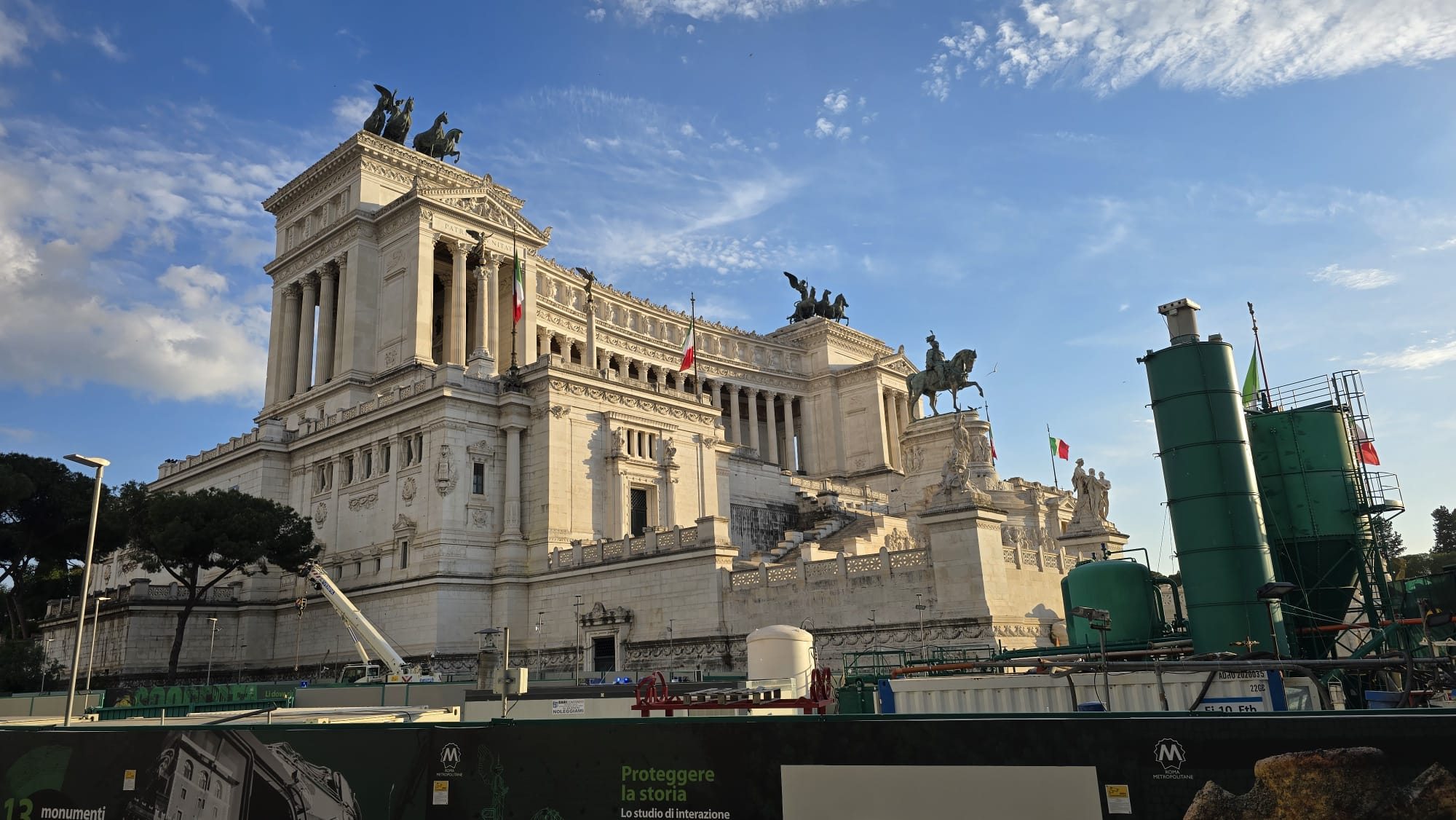
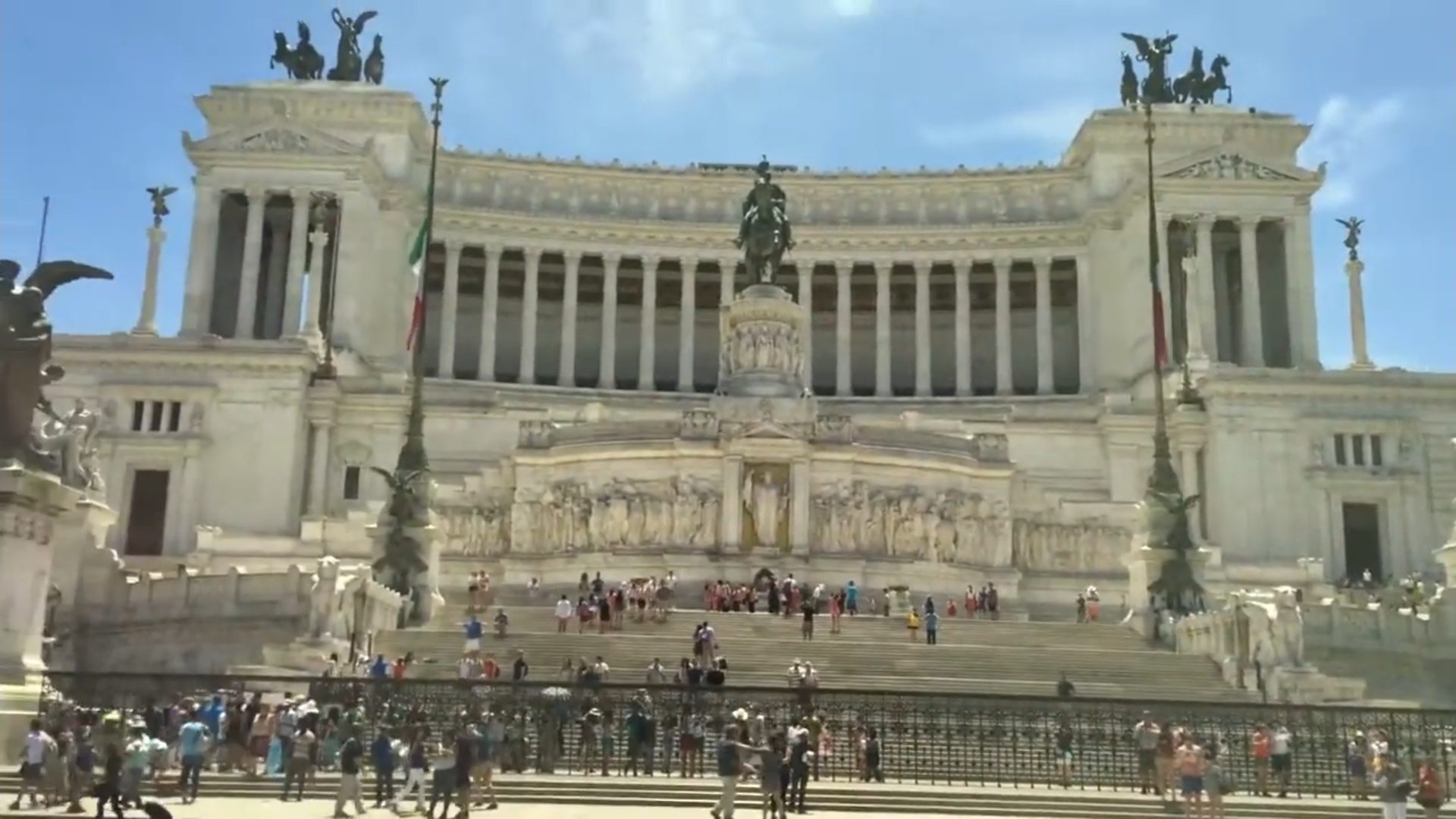
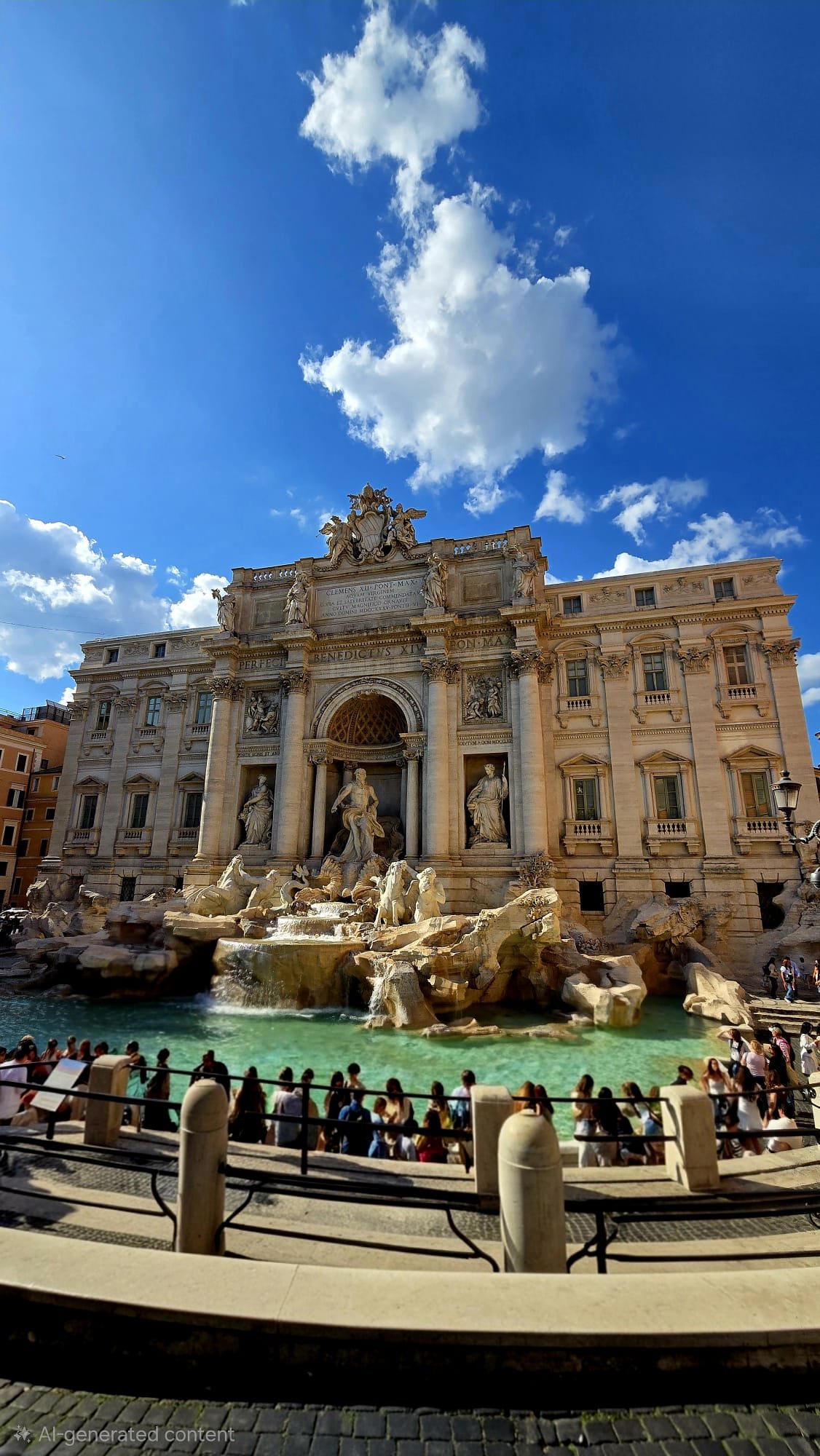
Rome is overwhelming in the best way. Turn a corner and there's another two thousand years of history sitting in your path like it's nothing. The Trevi Fountain was as stunning as promised, even shoulder to shoulder with the tour groups — there's a new €2 ticket to reach the lower basin now, and a queue to match, which we skipped because the crowd had us itching to keep moving. Piazza Venezia was the moment that landed hardest: standing beside the colossal Altare della Patria, looking straight down the avenue to the Colosseum in the distance, you finally feel how walkable and how dense this city really is.
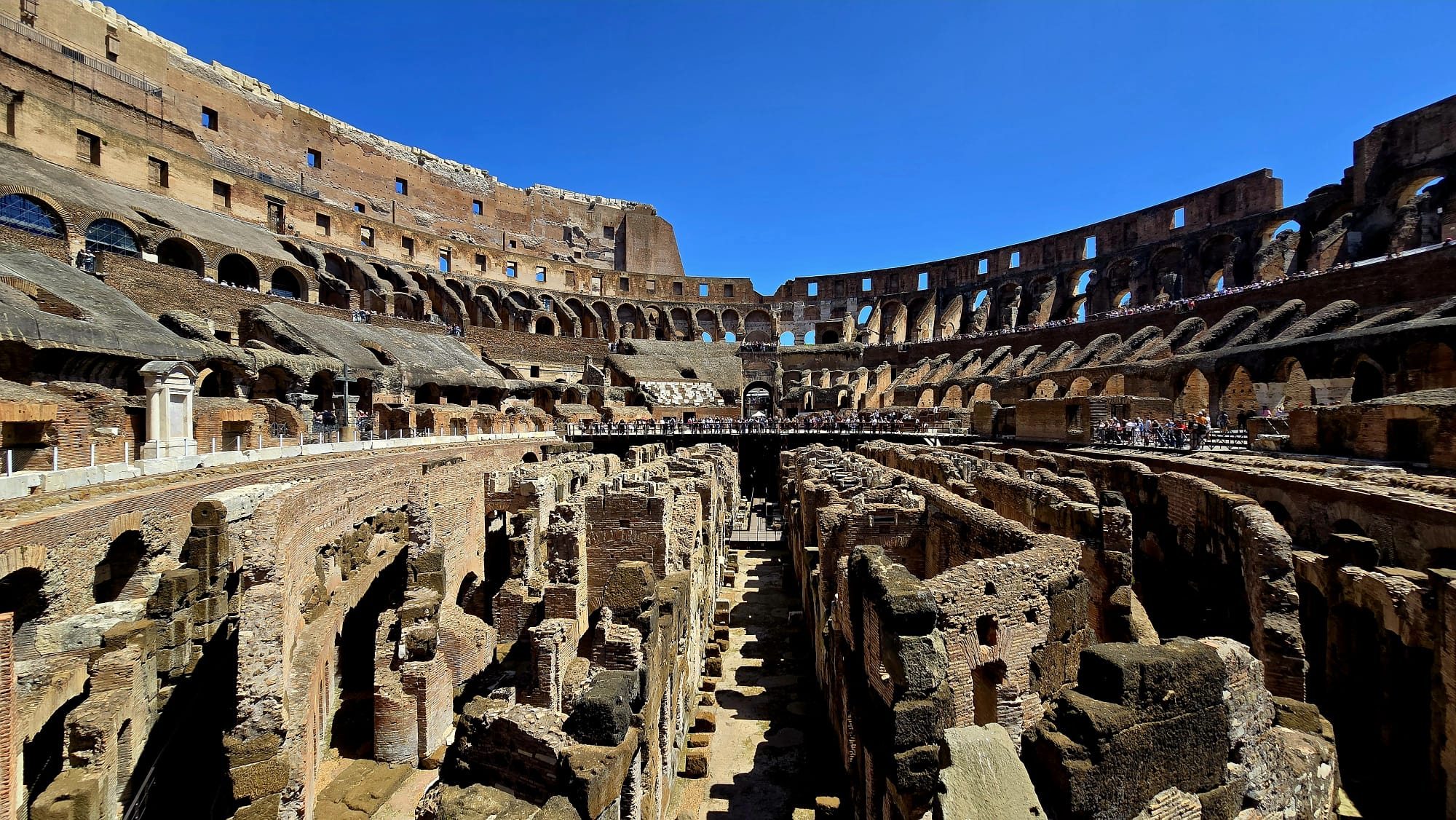
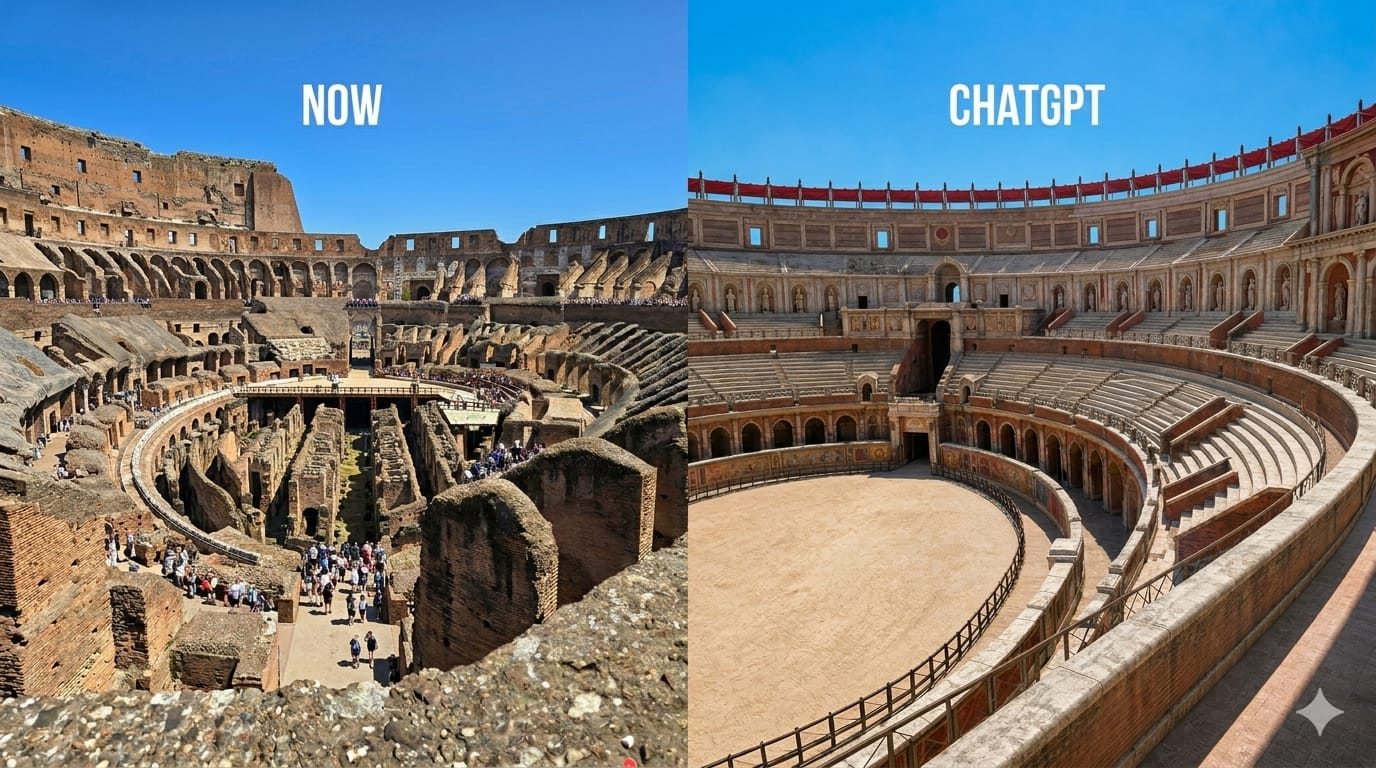
Inside the Colosseum, standing where the Roman crowds once sat, the scale rearranges something in your head. To picture it whole, I did something a purist might frown at: I had ChatGPT generate a rough concept render of the arena in its prime. It's only an estimate, but it bridged the gap between the ruin in front of me and the roaring stadium it once was — tens of thousands of people, gladiators below, and, unbelievably, underground channels engineers flooded to stage live naval battles on the very floor I was looking at. They were that far ahead of their time.
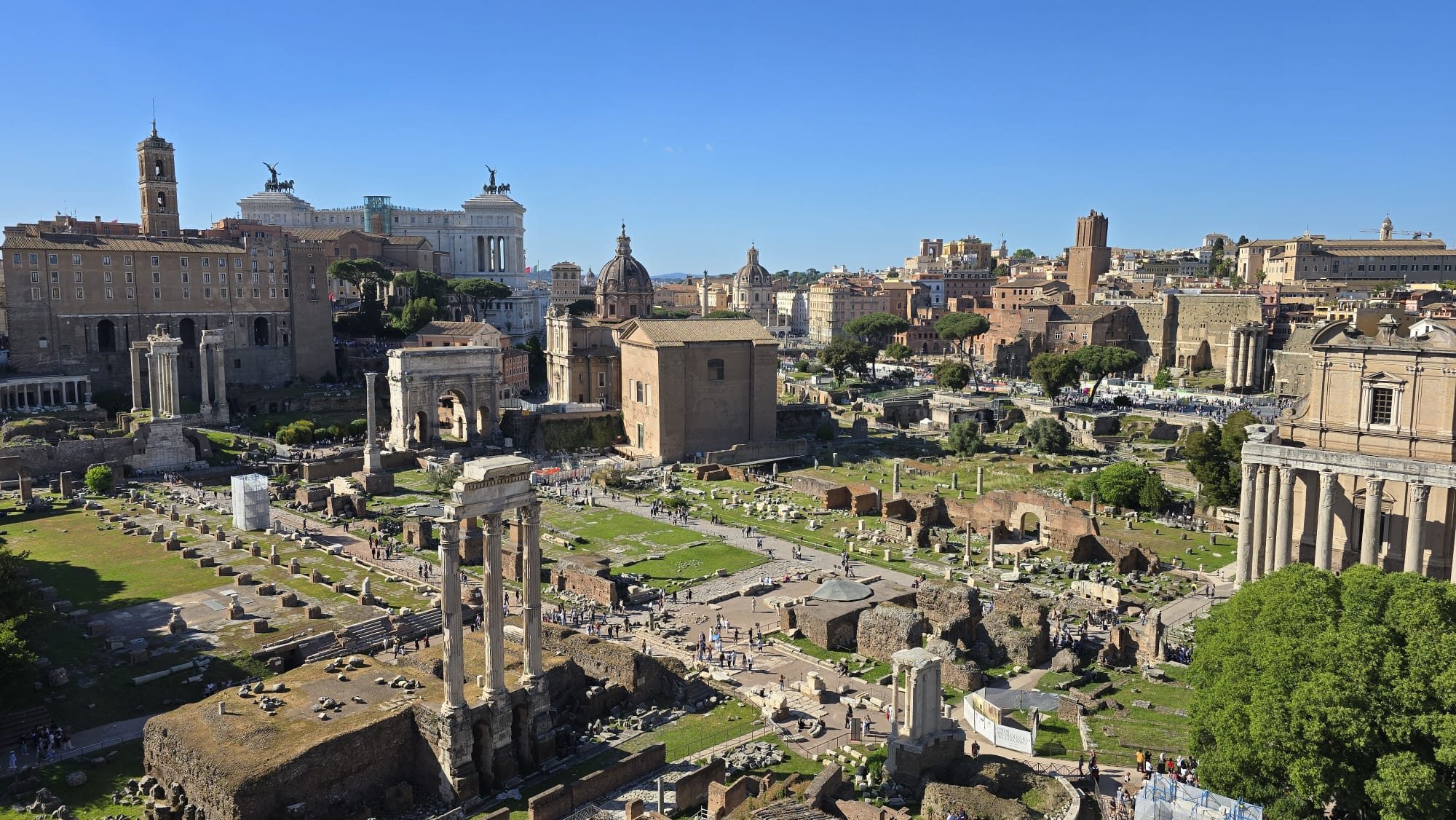
That afternoon we wandered the Roman Forum and climbed Palatine Hill. The panorama from the top — the whole sprawl of ruins laid out below — is the spot to simply stop and take Rome in. As the saying goes, it wasn't built in a day, and three of ours weren't nearly enough. I could have given Rome a week. If you're weighing the wider Italian mainland, the Naples vs Rome comparison is the honest map of which city earns your days.
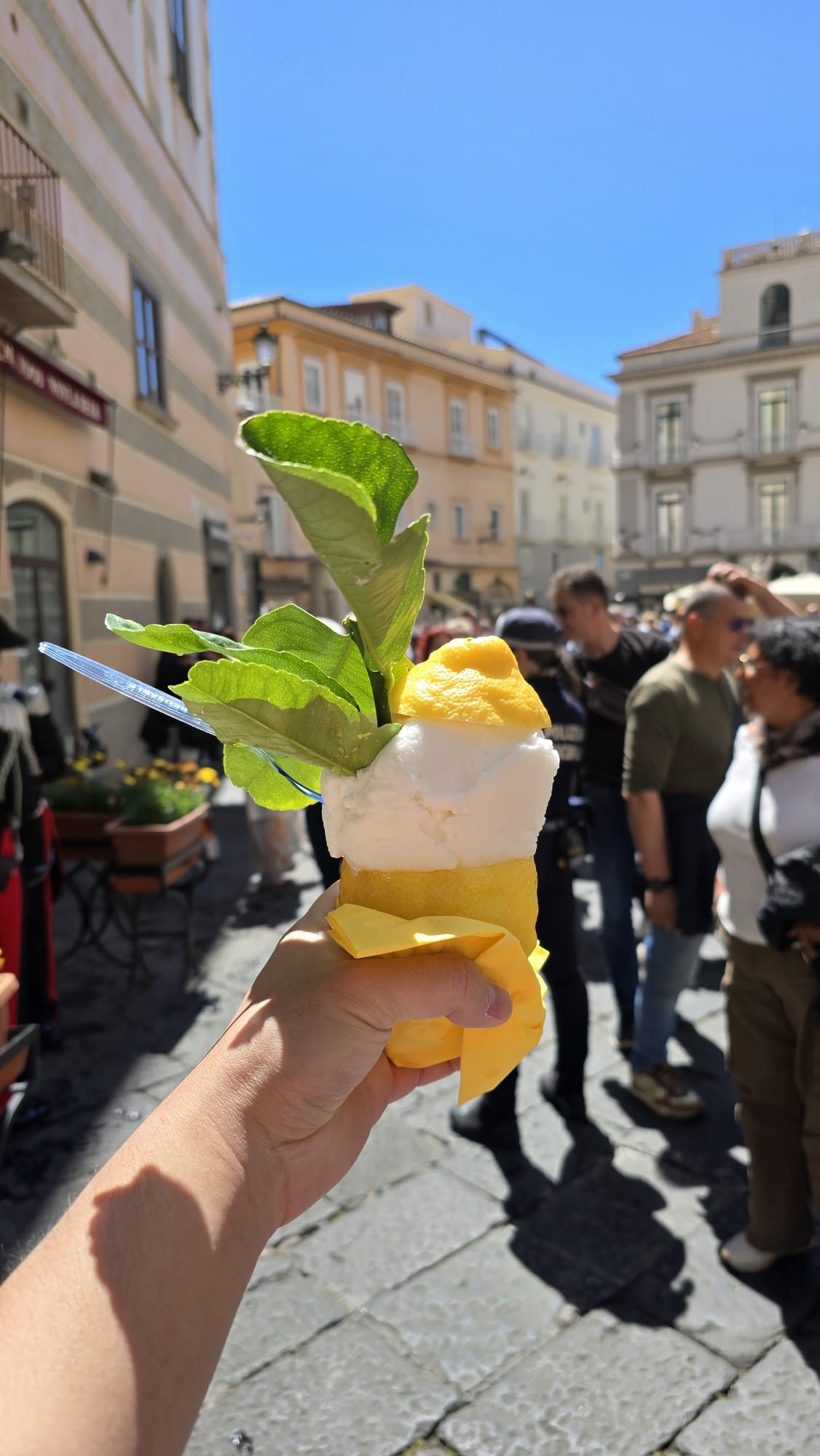
And the food. I know everyone says it, but you don't understand it until the pizza and pasta are in front of you and the tiramisu arrives after. We tried the lemon sorbet too — one of the great tourist rituals of the city, and it earns the hype. This is the part of Italy I can't argue you out of: weeks later, it's the Roman meals I'm still thinking about, not any single dish from anywhere else on the trip.
Naples, Ravello, Amalfi, Positano, Sorrento
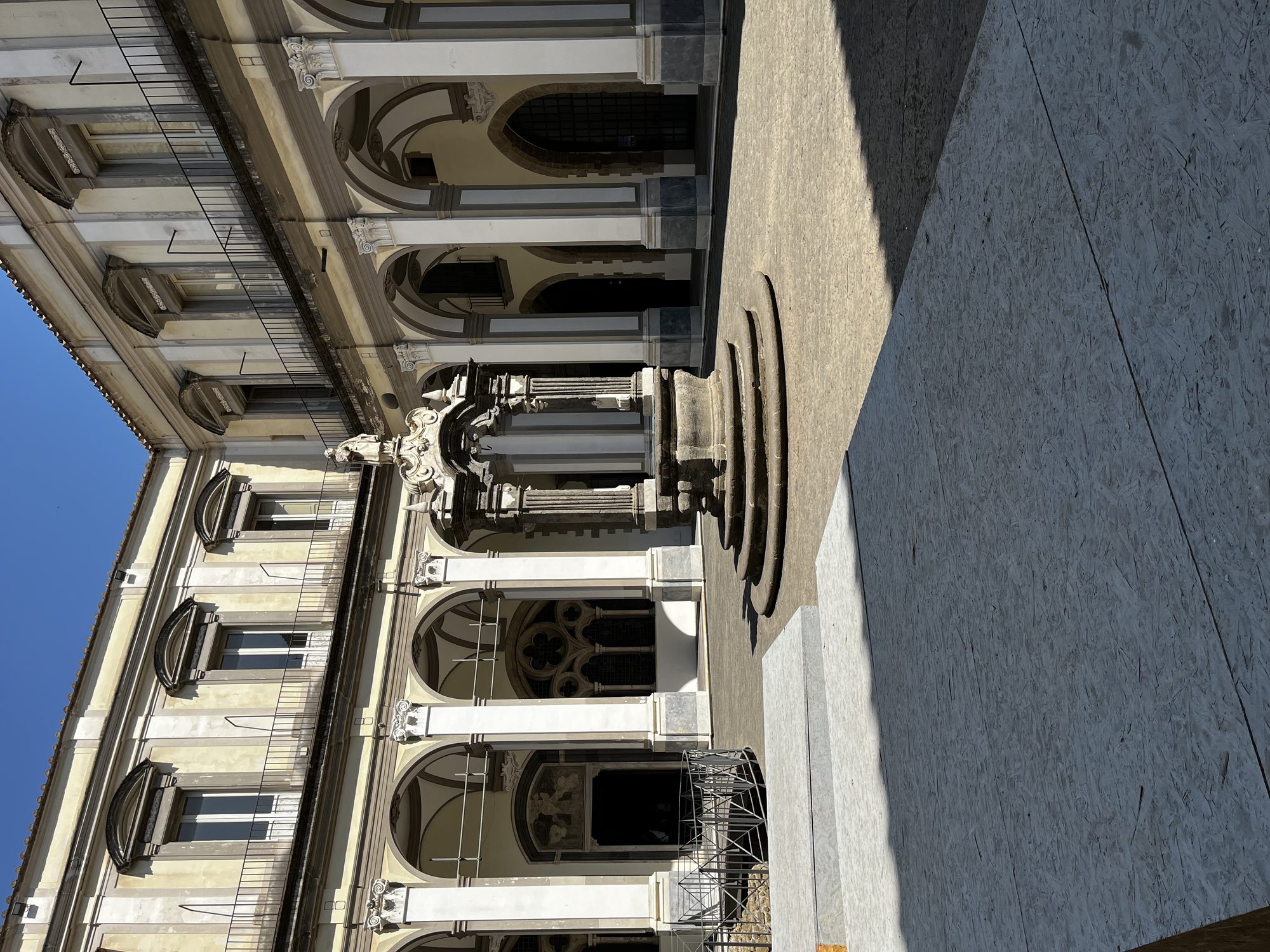
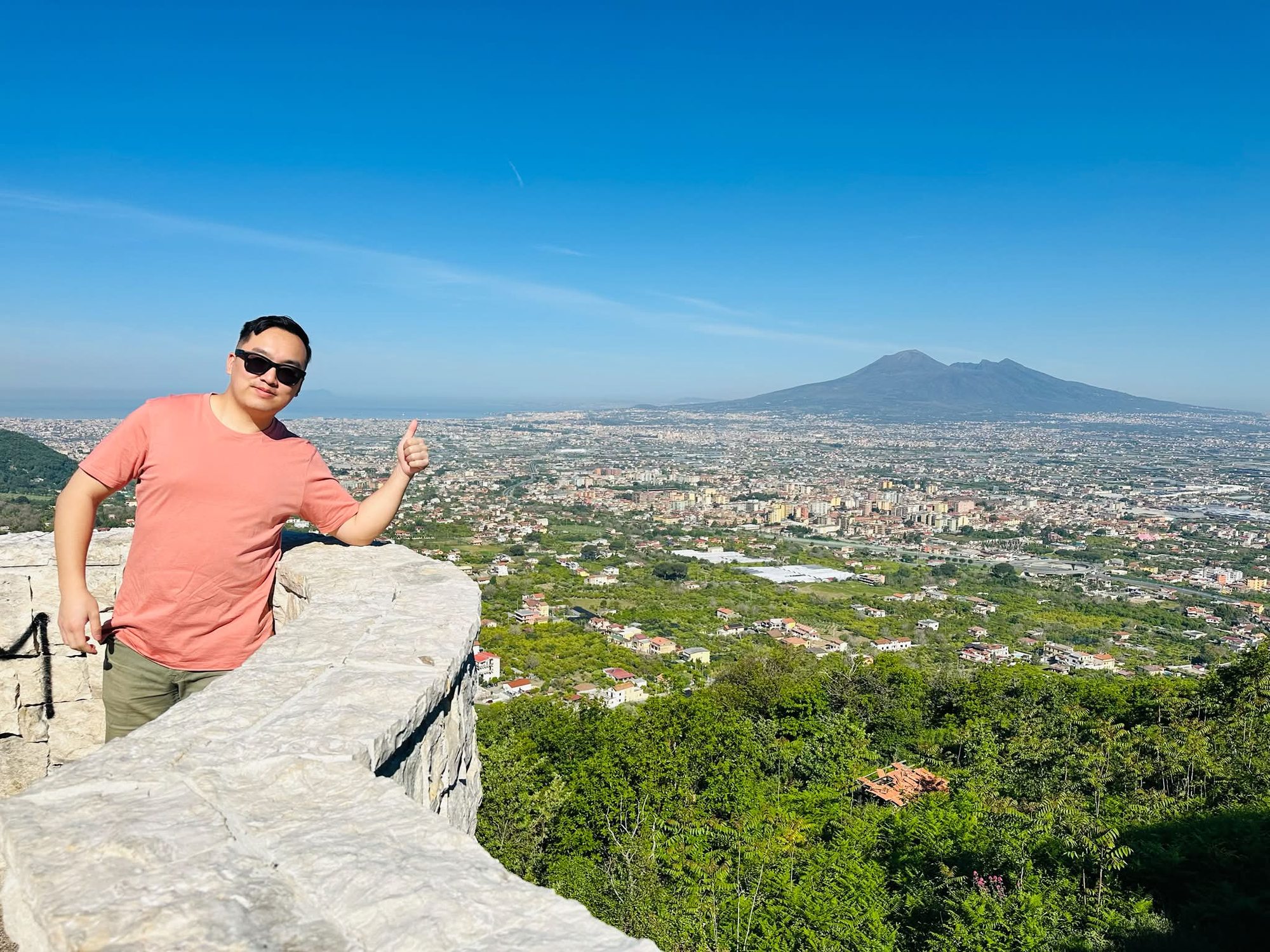
The ship gave us a single day in Naples, and because we'd done the standard Pompeii excursion last time, we hired a local private driver and went looking for what we'd missed. He took us first to a mountainside viewpoint where the whole region opened up below — Pompeii resting quietly in the shadow of Vesuvius, the volcano that sealed its fate. If Pompeii is on your own list, PONTUS has the two honest guides: whether it's worth visiting and Pompeii or Herculaneum.
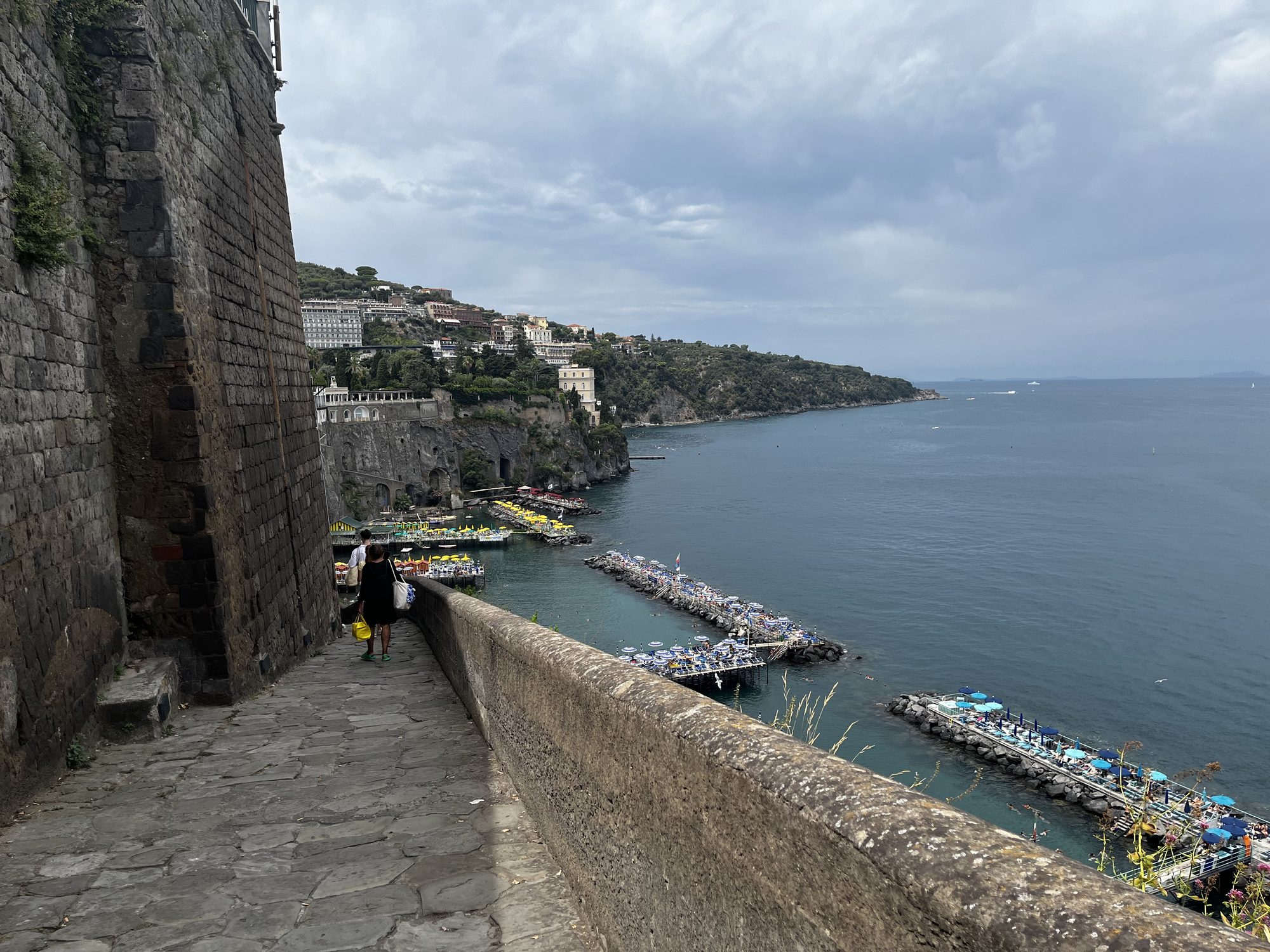
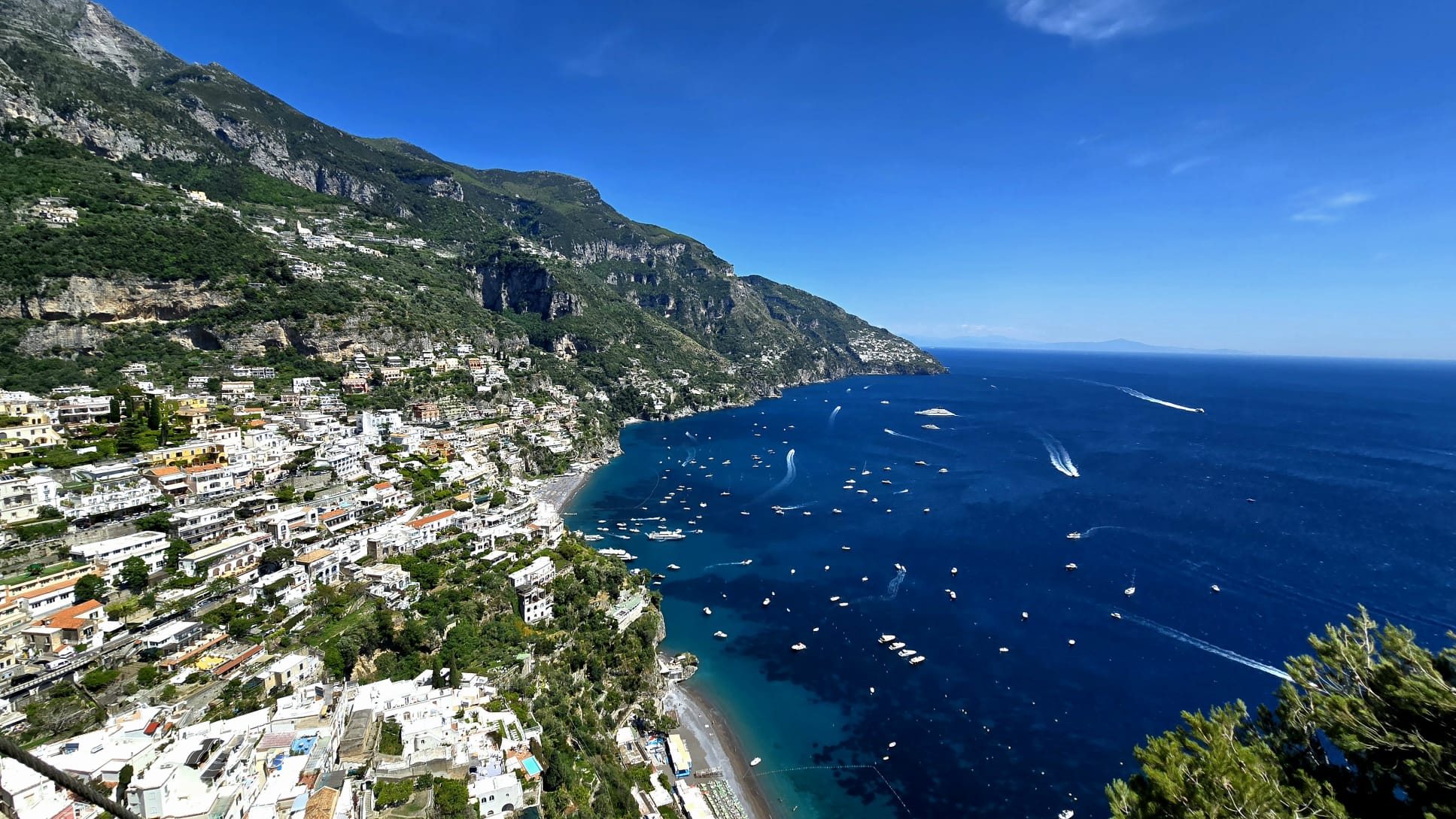
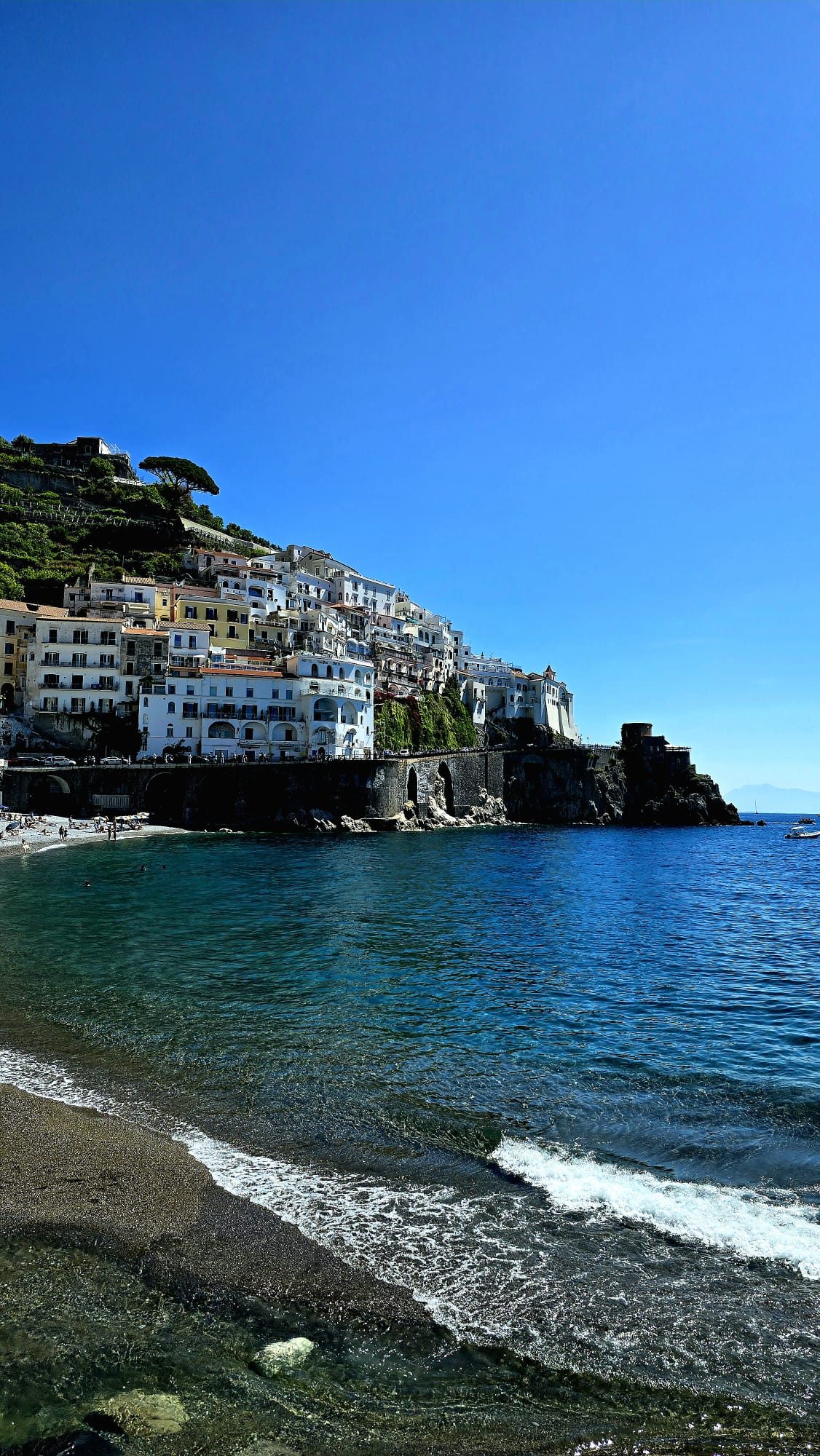
From there the road wound up to Ravello, perched some 1,200 feet above the Amalfi Coast — quiet cobbled streets, plunging views of the Mediterranean, the kind of place that exists to make you slow down. But it was Amalfi and Positano that stayed with me: vivid towns stacked against impossibly blue water, so vertical you find yourself wondering how anyone does an ordinary grocery run there. The Amalfi Coast is its own argument for a base rather than a day trip, which PONTUS makes in the Naples & Amalfi Coast base guide.
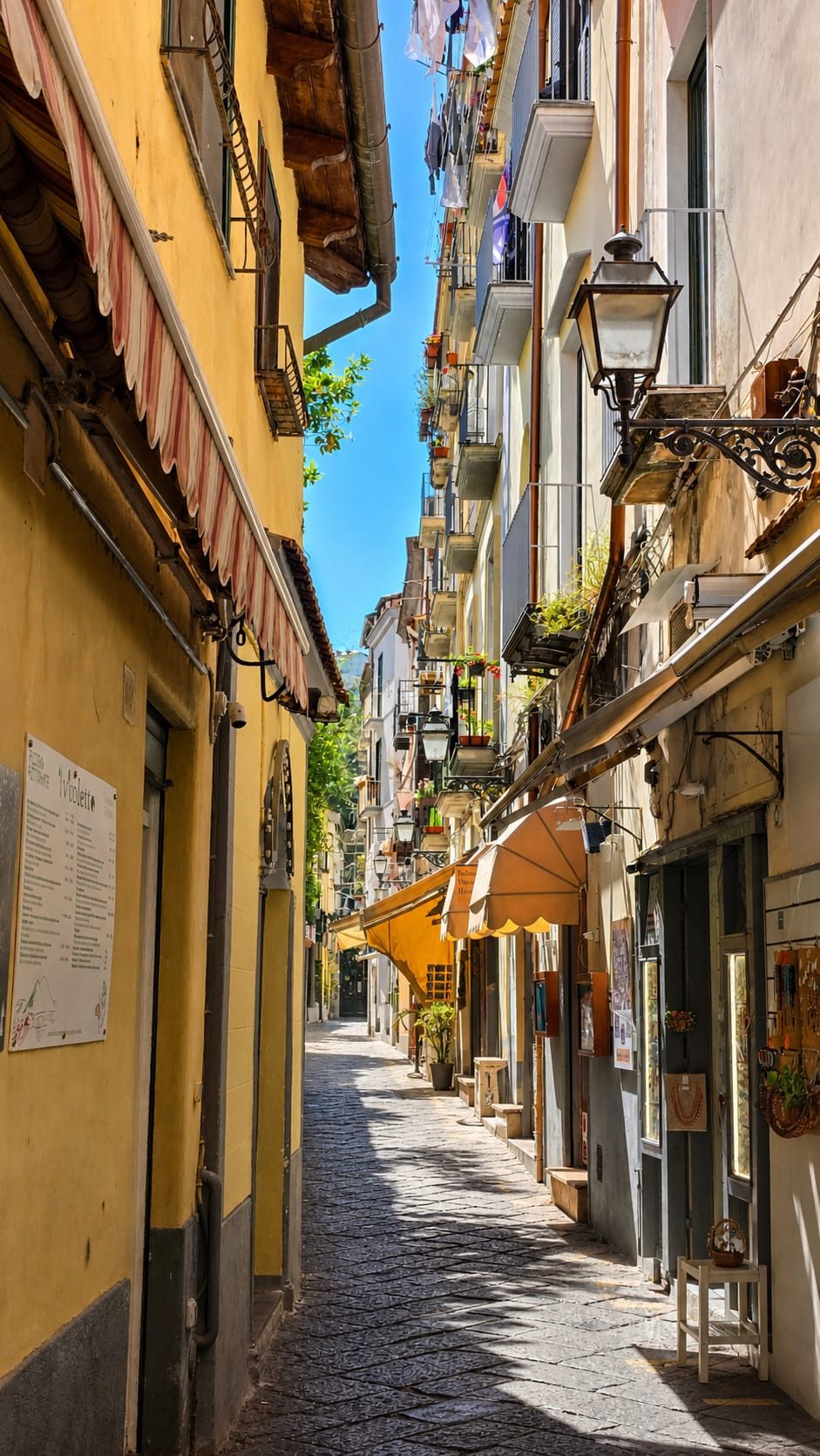
Our last stop was Sorrento, where we'd been before on the old Pompeii excursion. Returning made me realise how faded the memory had gone — it didn't look the way I'd kept it, which somehow made wandering its narrow alleys feel brand new. If you're choosing between these towns specifically, the Positano vs Sorrento verdict is the one to read before you book.
Greece — The Days I'll Describe to People
If Italy is the country I want to return to, Greece is the one that produced the moments I keep retelling. The whole tone of the trip changed the instant we crossed into it — and so, immediately, did the food.
Crete — the first taste of Greece
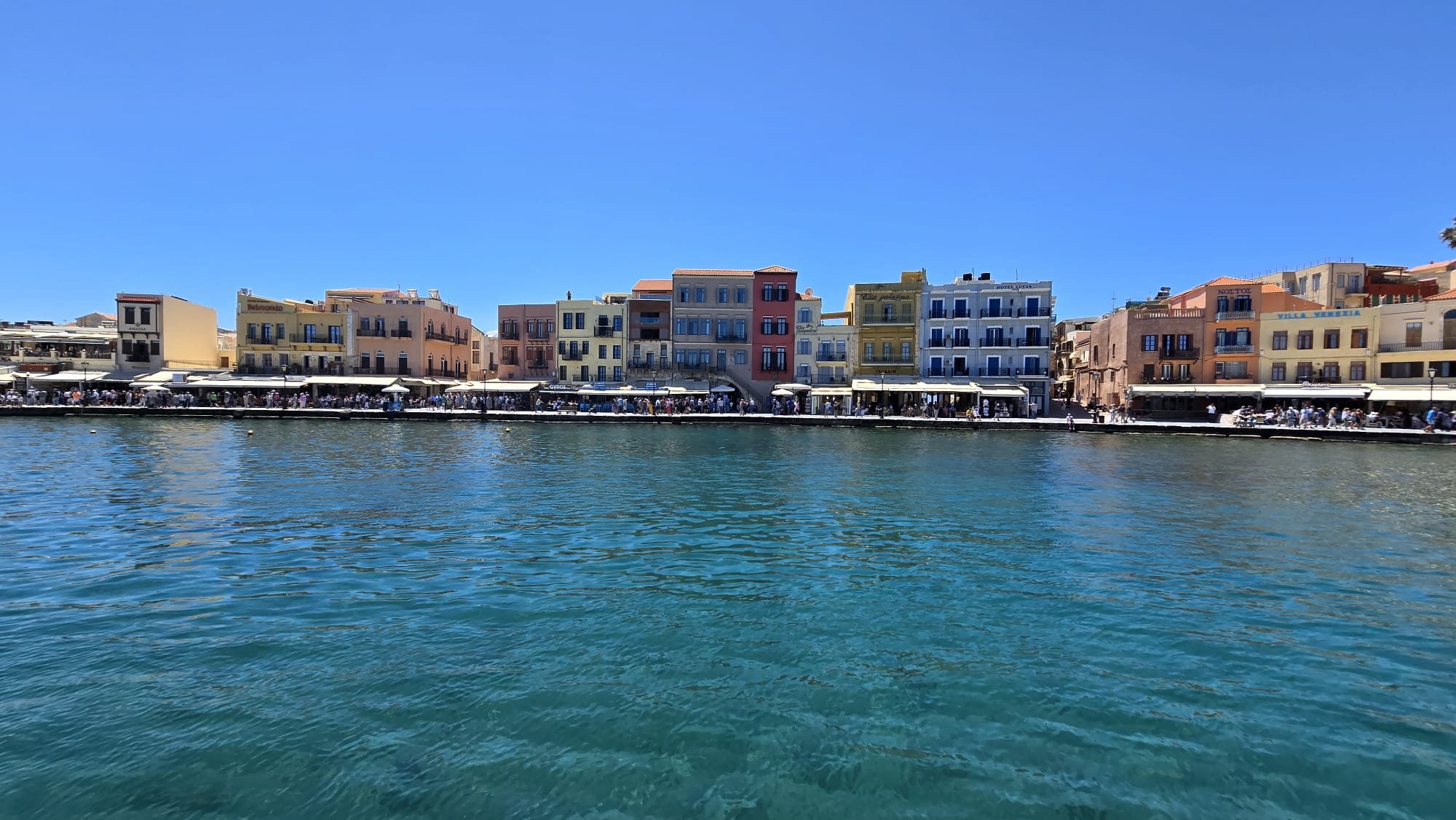
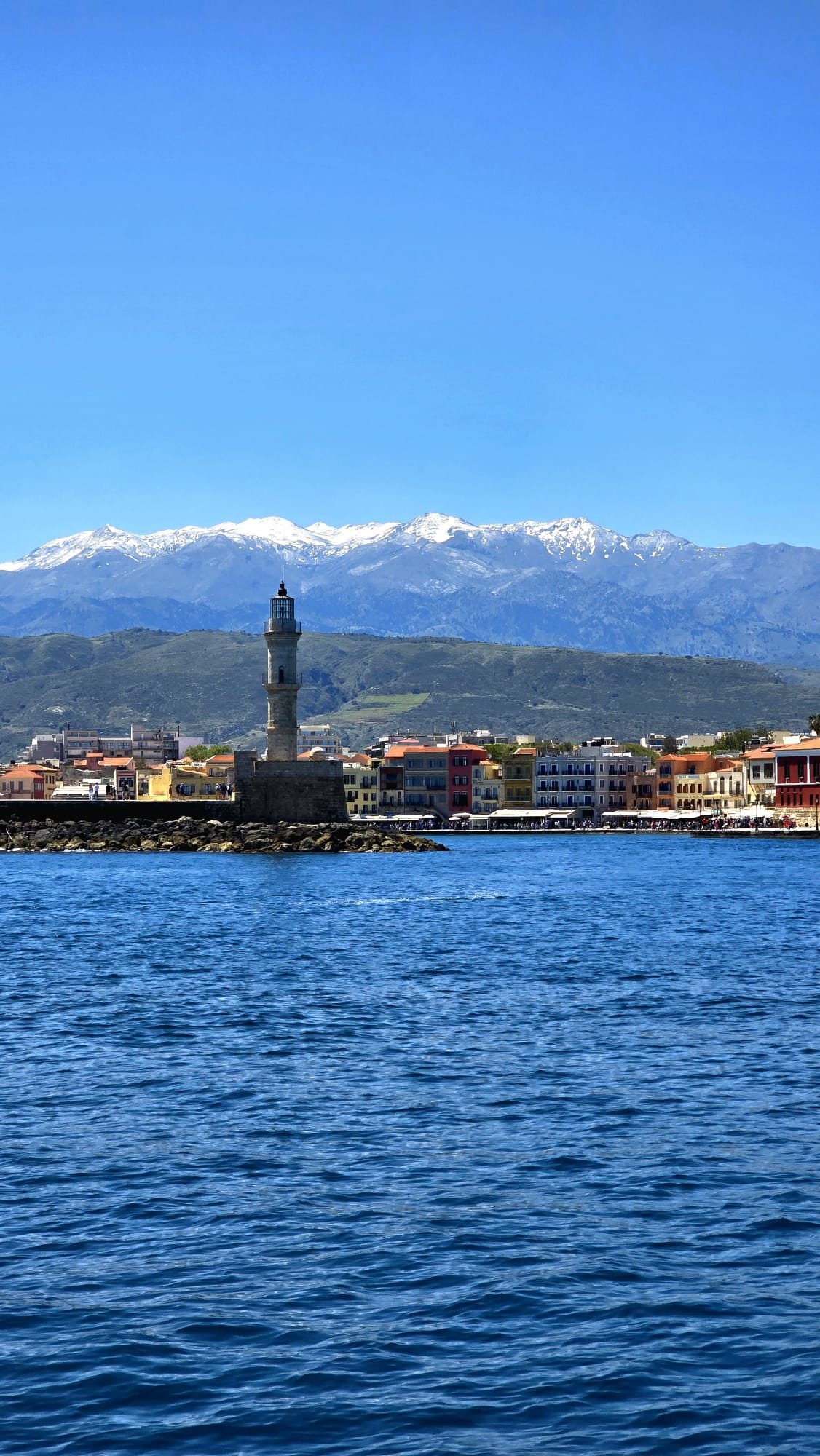
Our first Greek stop was Crete. We started along the waterfront with no real plan, spotted a lighthouse in the distance, and were circling the idea of a boat tour when my brother decided he had to swim in the Greek sea. With a group of about twelve, the first quotes were steep — until we found a boat offering a 90-minute trip with unlimited drinks for 30 euros a head, dropped to 25 for the group. They ran us along the coast, anchored, and let us jump in. The water was freezing; I lasted maybe five minutes before scrambling back aboard, and it was glorious. Then came our first gyros in Greece, and the diet flipped overnight — Italy had been pure pizza and pasta, and the moment we hit Greece it was all gyros, all the time.
Kusadași & Ephesus — the wildcard
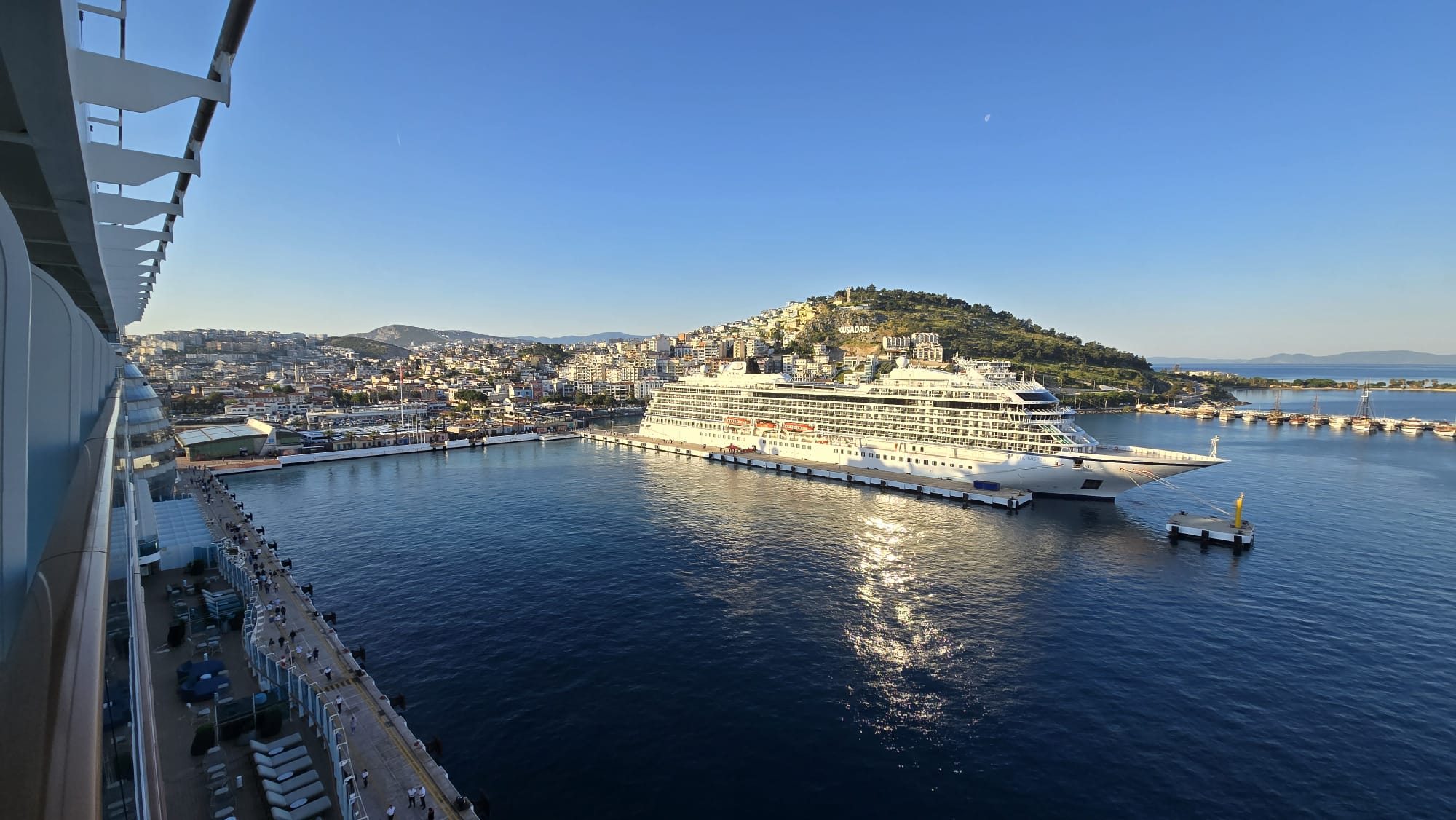
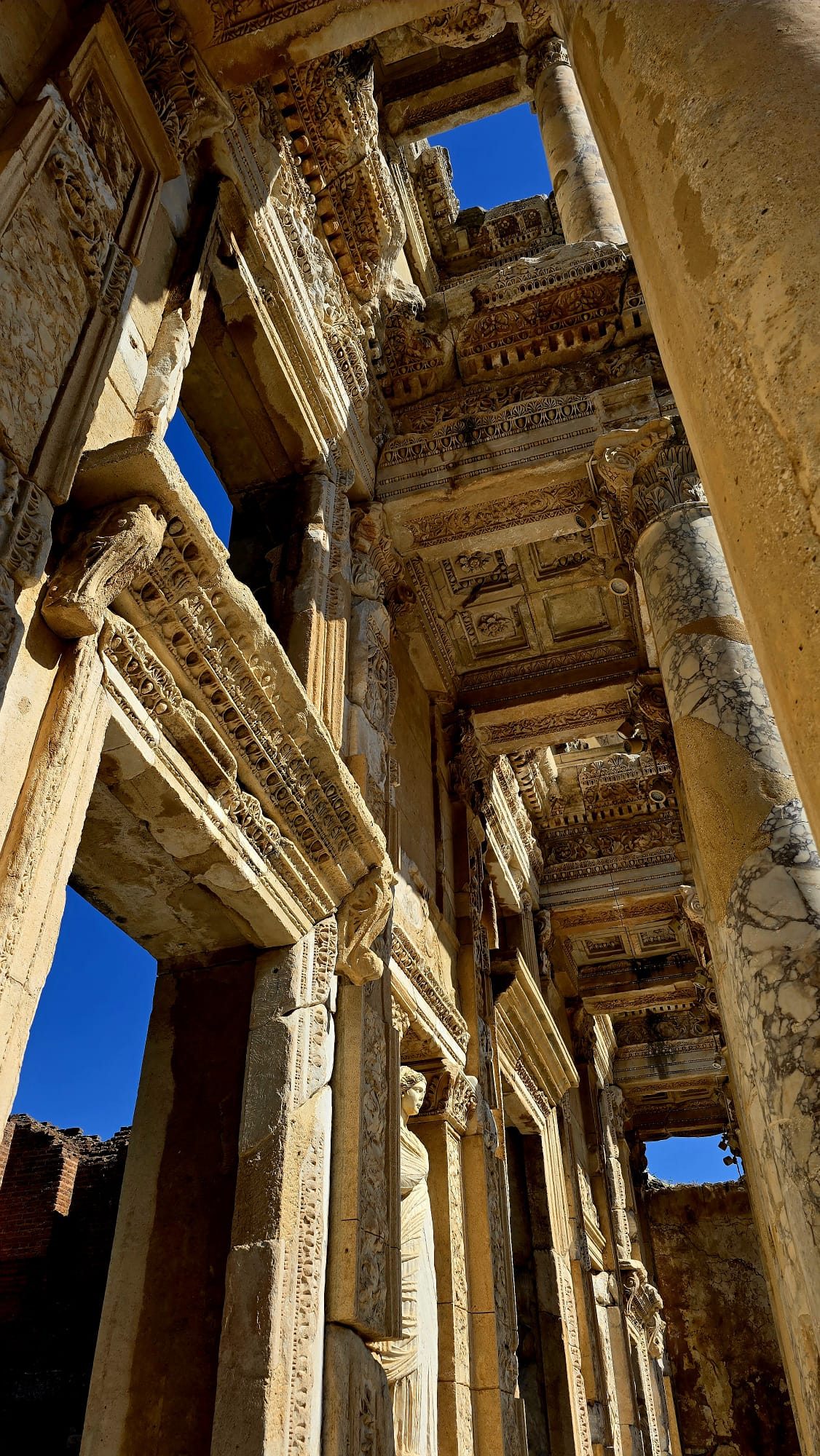
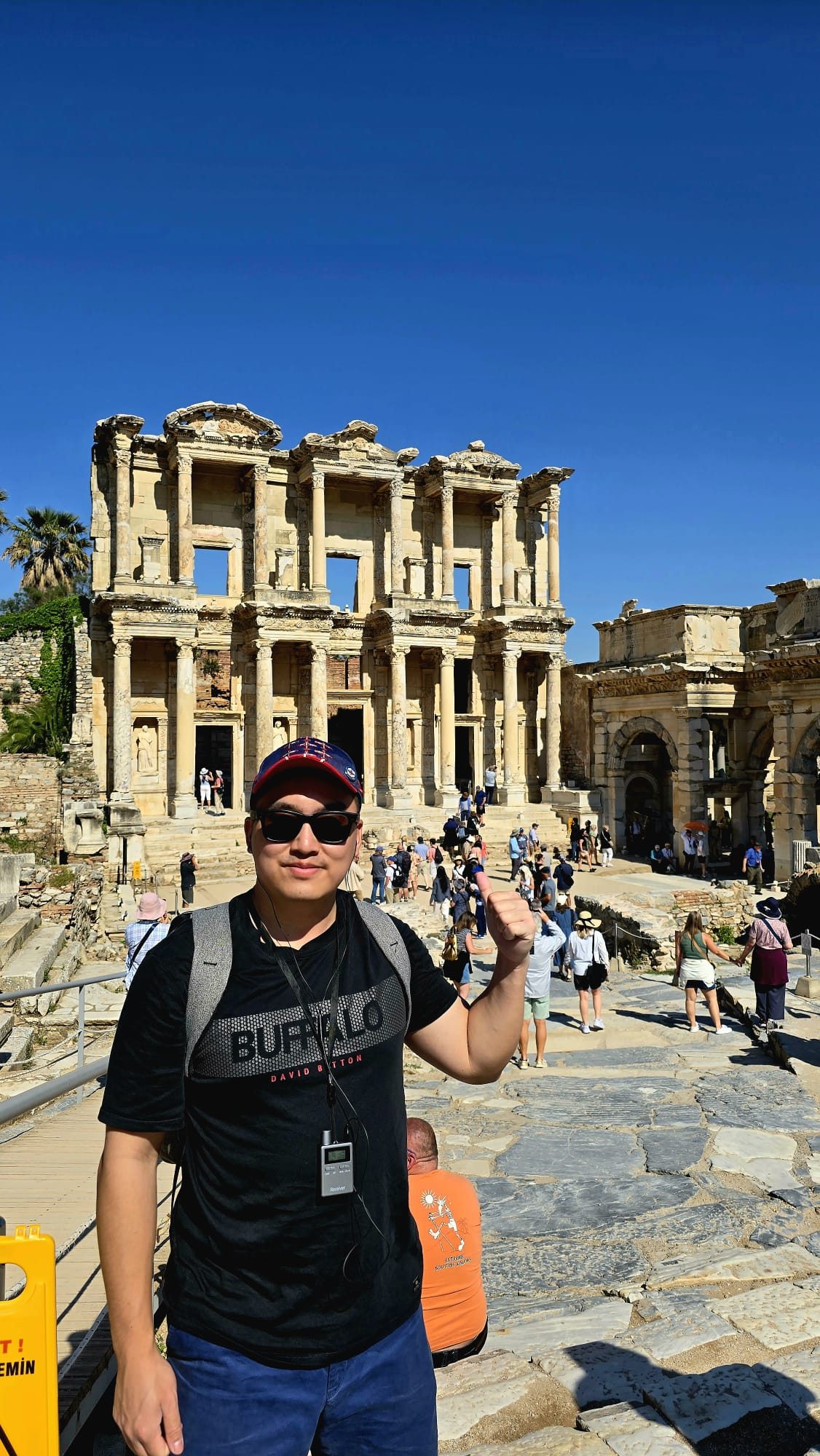
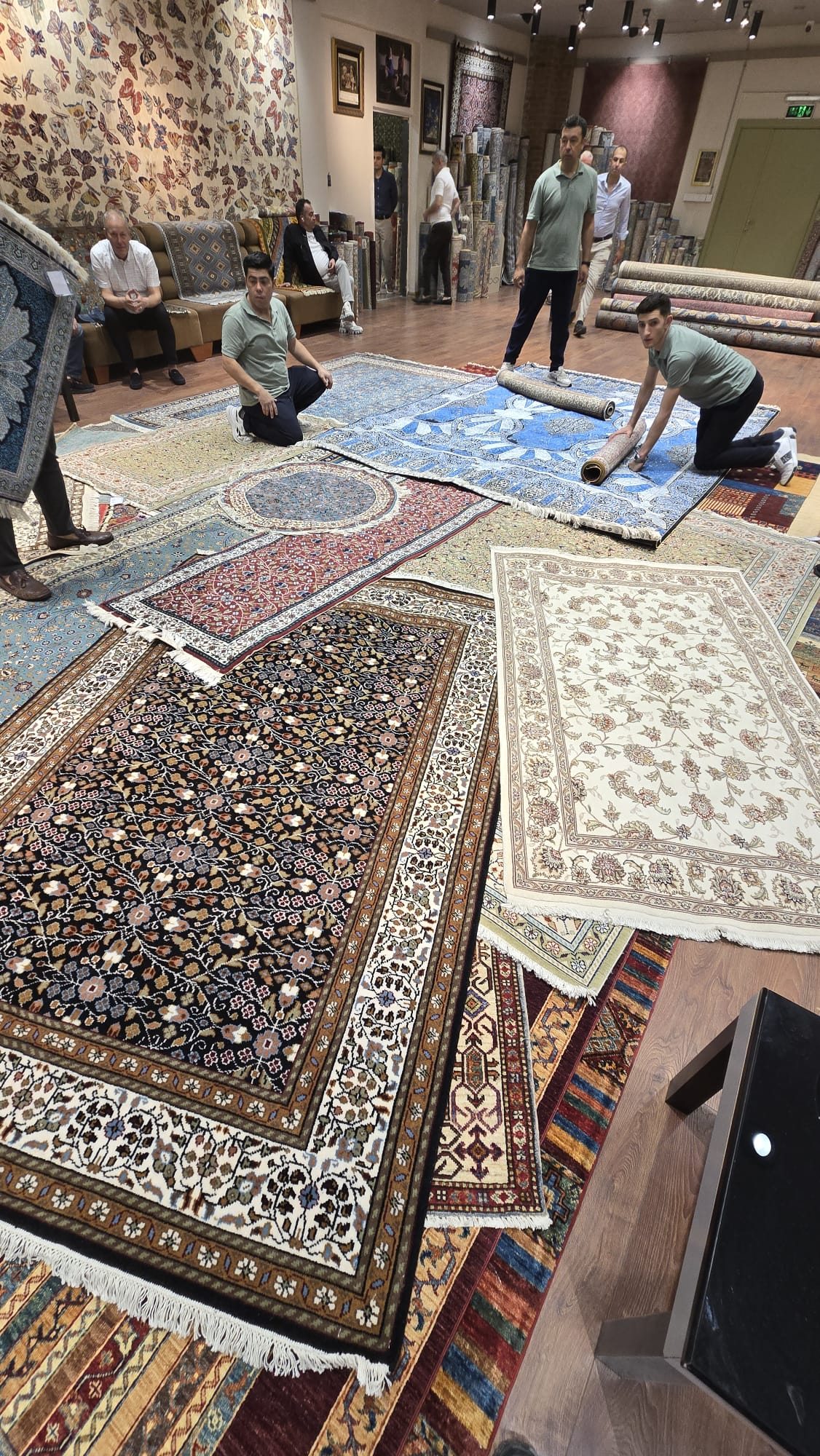
Between Greek stops the ship called at Kusadași in Turkey — technically a third country, and a complete surprise. We booked a private tour of Ephesus, and our guide brought the ancient city to life: the highlight, unquestionably, the breathtaking Library of Celsus, its great façade still standing after nearly two thousand years. The tour also took in a local carpet maker, where the sheer manual hours that go into a single hand-woven piece were genuinely humbling — the sales pitch was strong, the carpets well out of our budget and our luggage. Before we left I tried the famous Turkish ice cream; the flavour was fine, but the vendor's whole sleight-of-hand routine of refusing to hand you the cone was worth the stop on its own.
Mykonos — the island that out-photographs everywhere
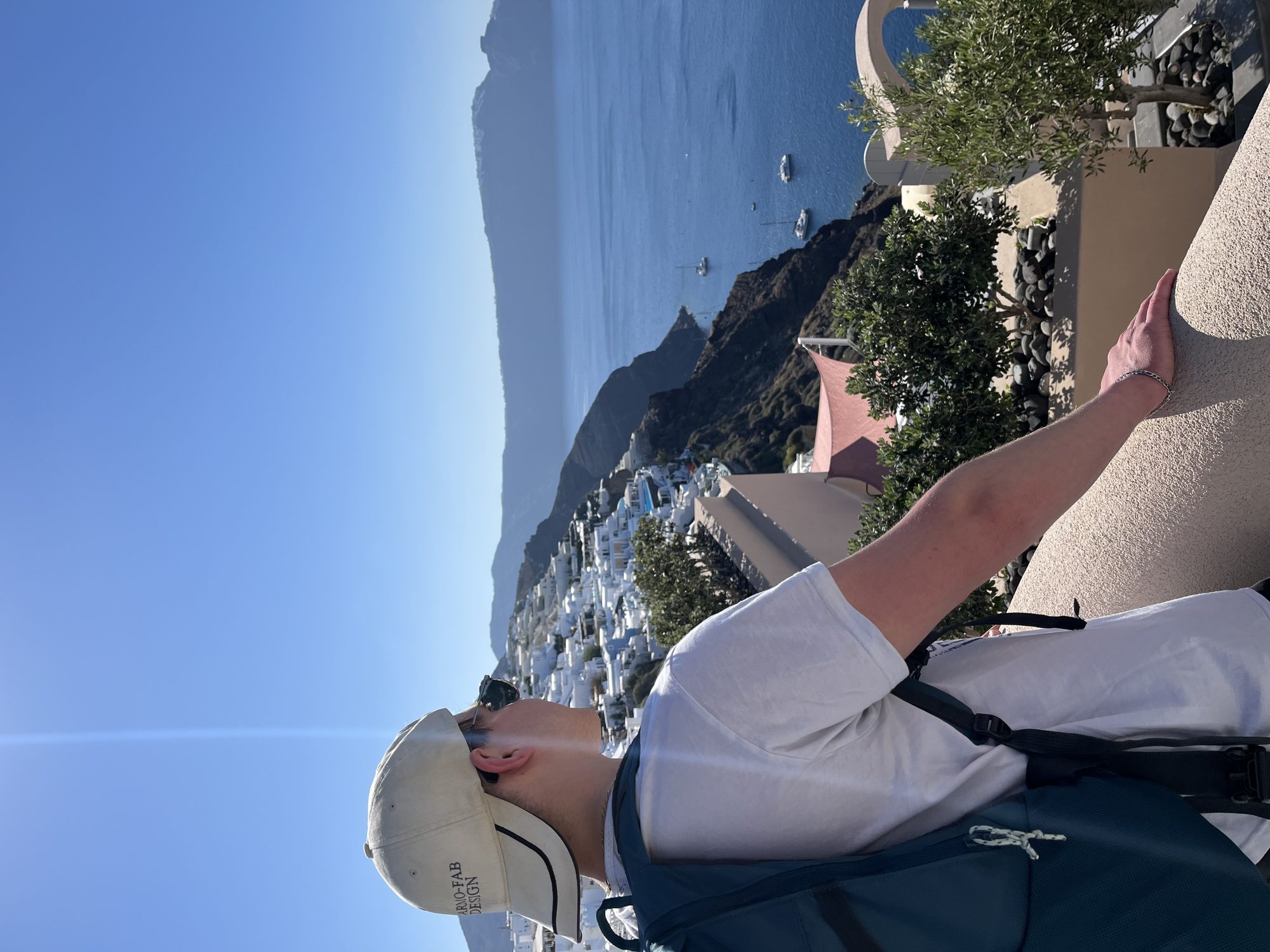
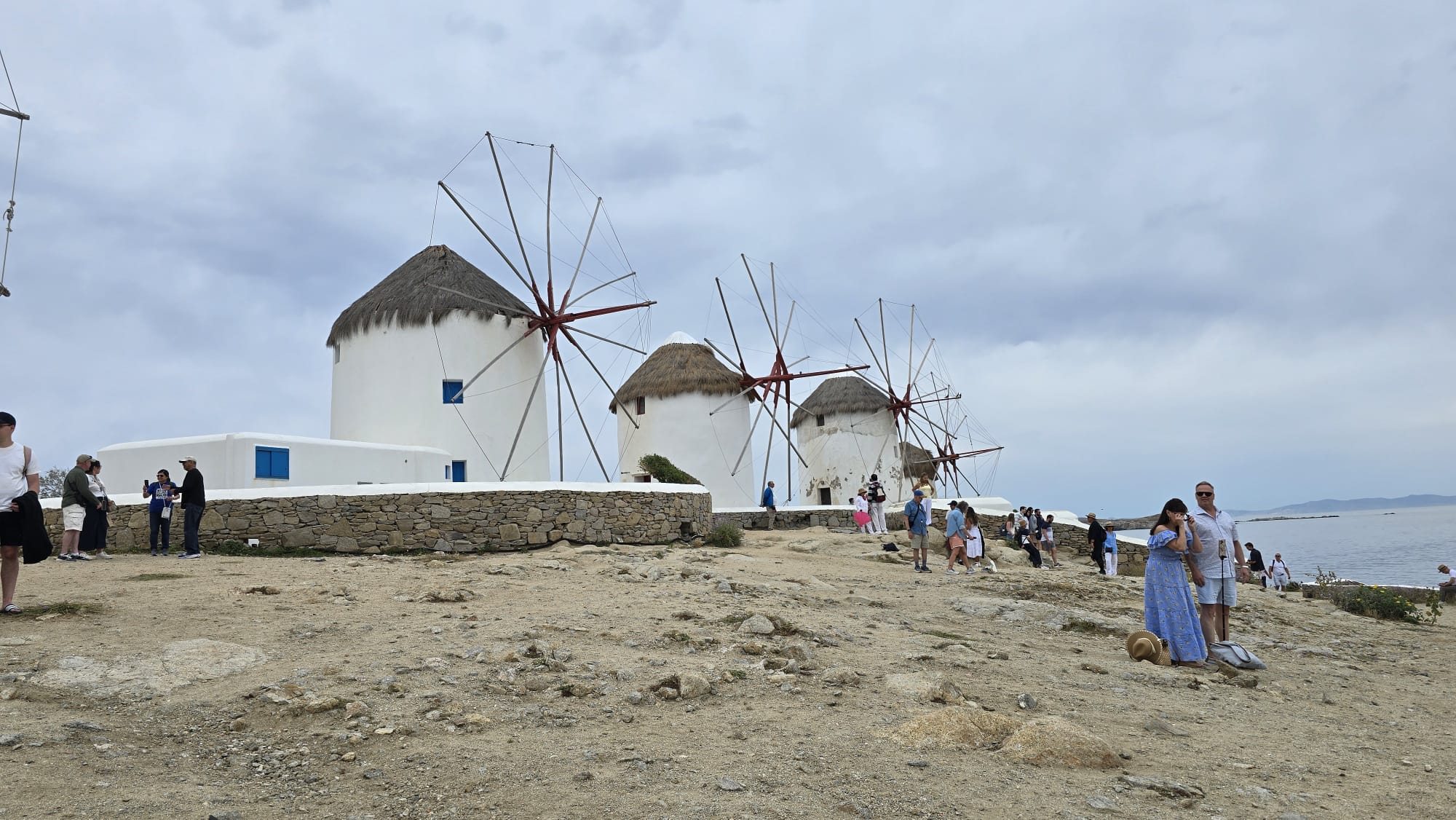
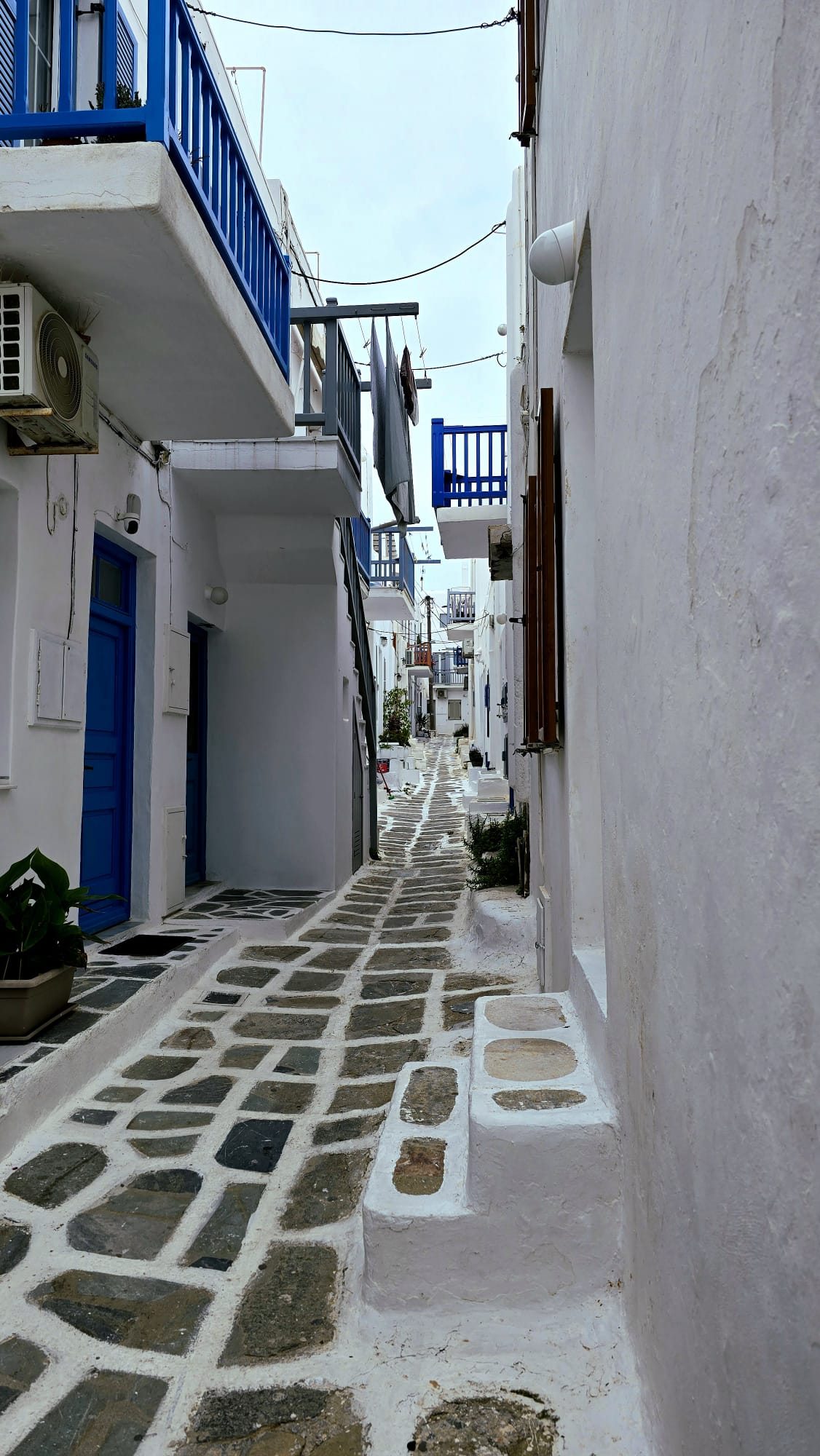
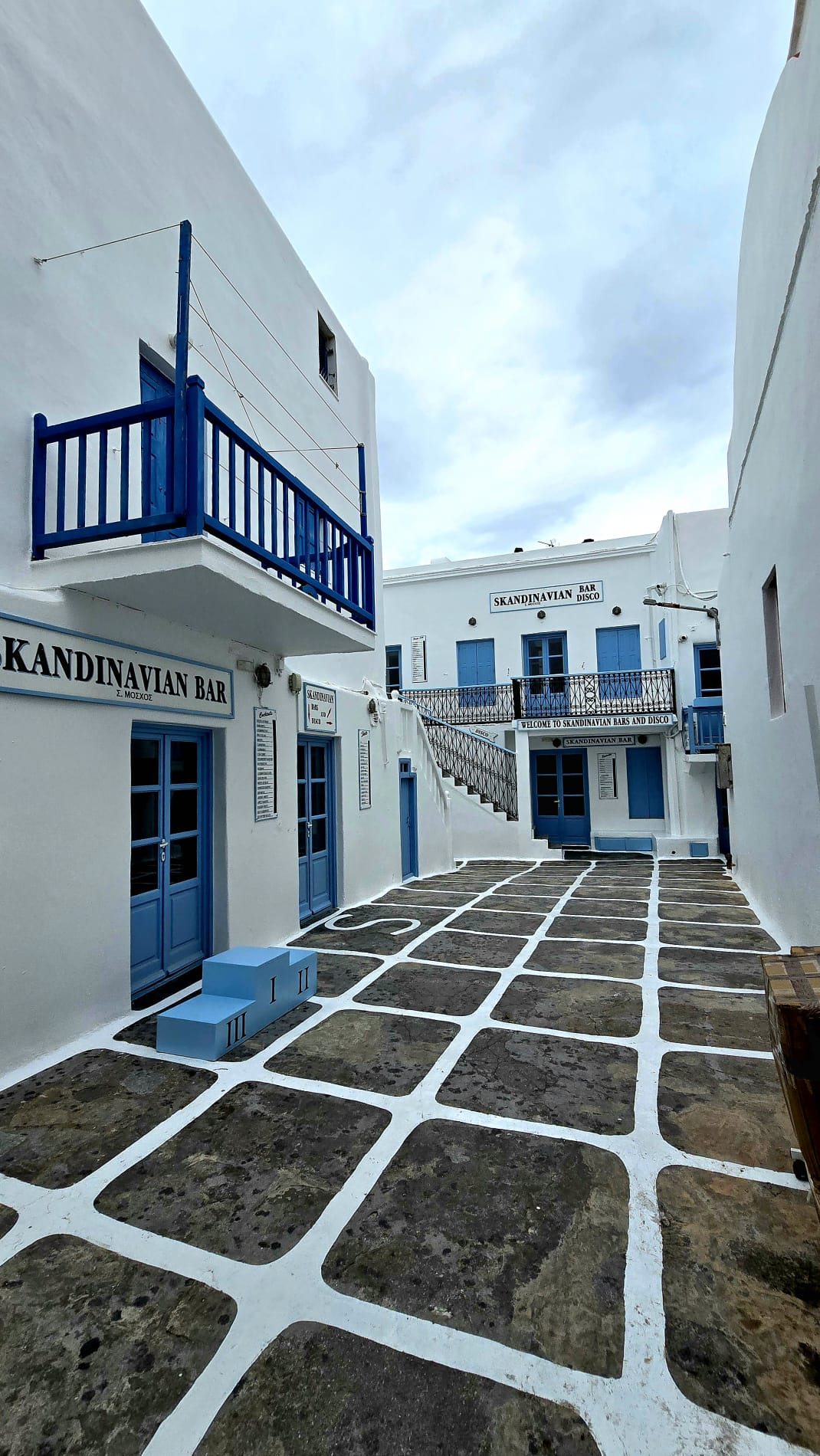
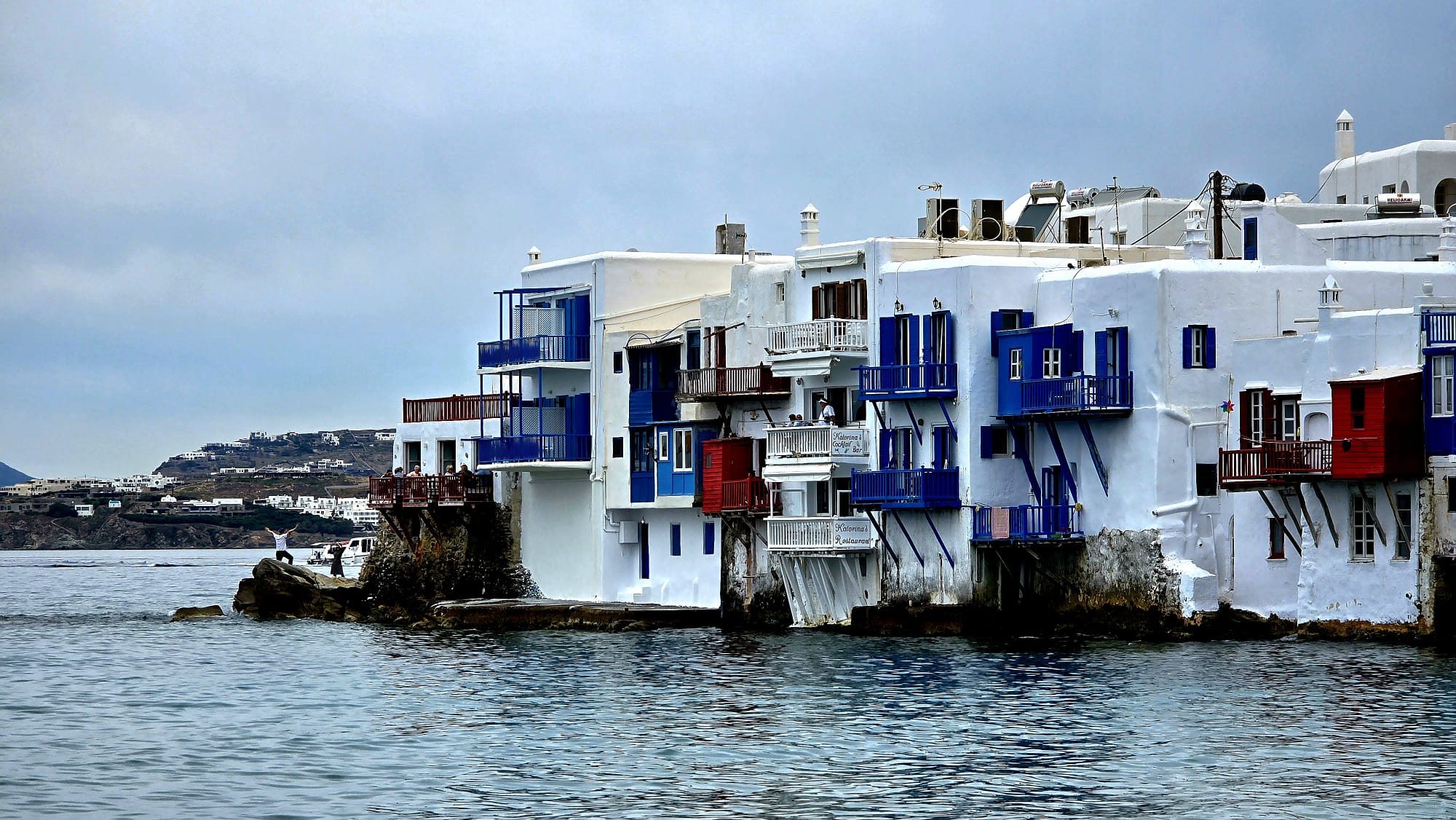
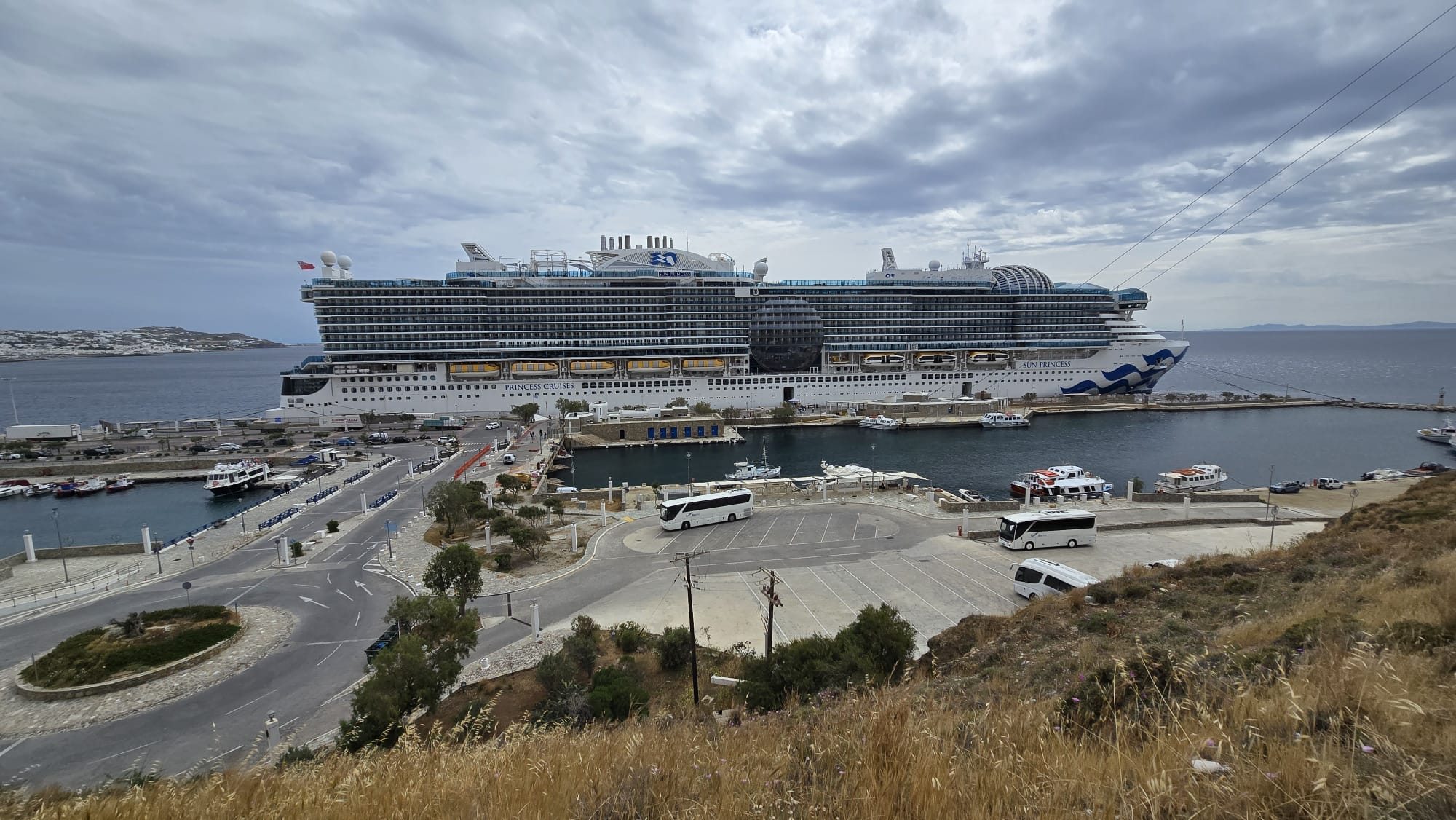
Then Mykonos, technically our second visit but the first in daylight, and a different island entirely for it. I spent hours just walking the narrow whitewashed streets — every corner is engineered, somehow, to be photographed. We passed the famous windmills and soaked it in, though the pristine white architecture has its hazards: I knelt to pet a stray cat and sat squarely in bird droppings that blended perfectly into a white wall. To stretch the day I walked solo along the coast from town back to the new port where the ship waited — a little nerve-wracking beside the road traffic, but the payoff was an unobstructed view of our cruise ship sitting in the water as I arrived. For the islands you'd actually base a trip around, PONTUS has the Mykonos vs Santorini and Santorini or Mykonos for a honeymoon verdicts — and, for something greener and less obvious, Corfu.
Athens — the finish line
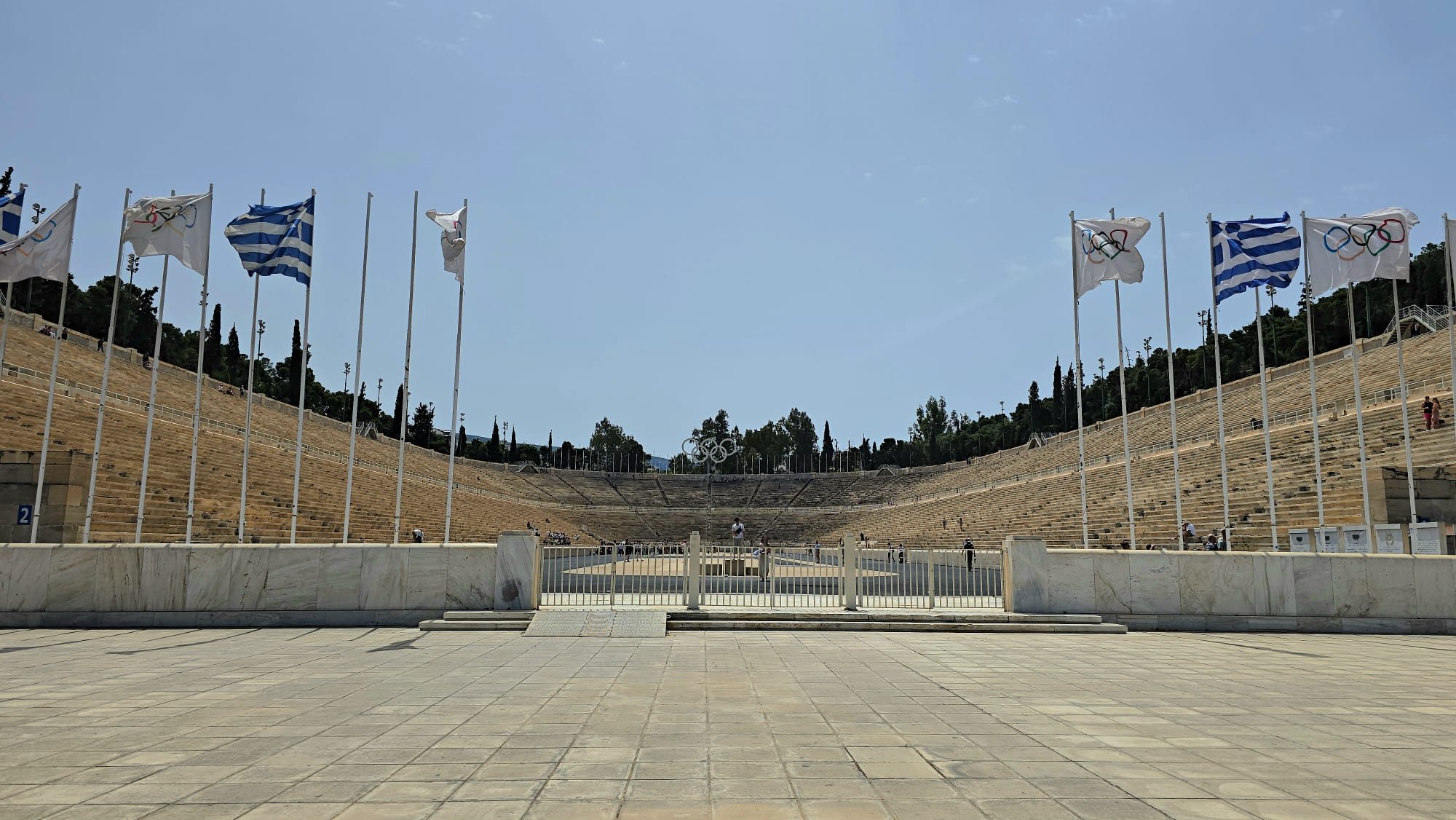
Athens was our final stop and our debarkation port — one last night before flying home. Like Rome on our first visit, we'd only ever had a single day here, so we followed a walking route the hotel suggested: past the National Library, the Academy of Athens, and the Parliament, where we caught the ceremonial changing of the guard, then on to the Panathenaic Stadium and the Temple of Olympian Zeus. The full Athens story — the version with the time it deserves — lives in the PONTUS pieces on Athens itself and Athens vs Santorini.
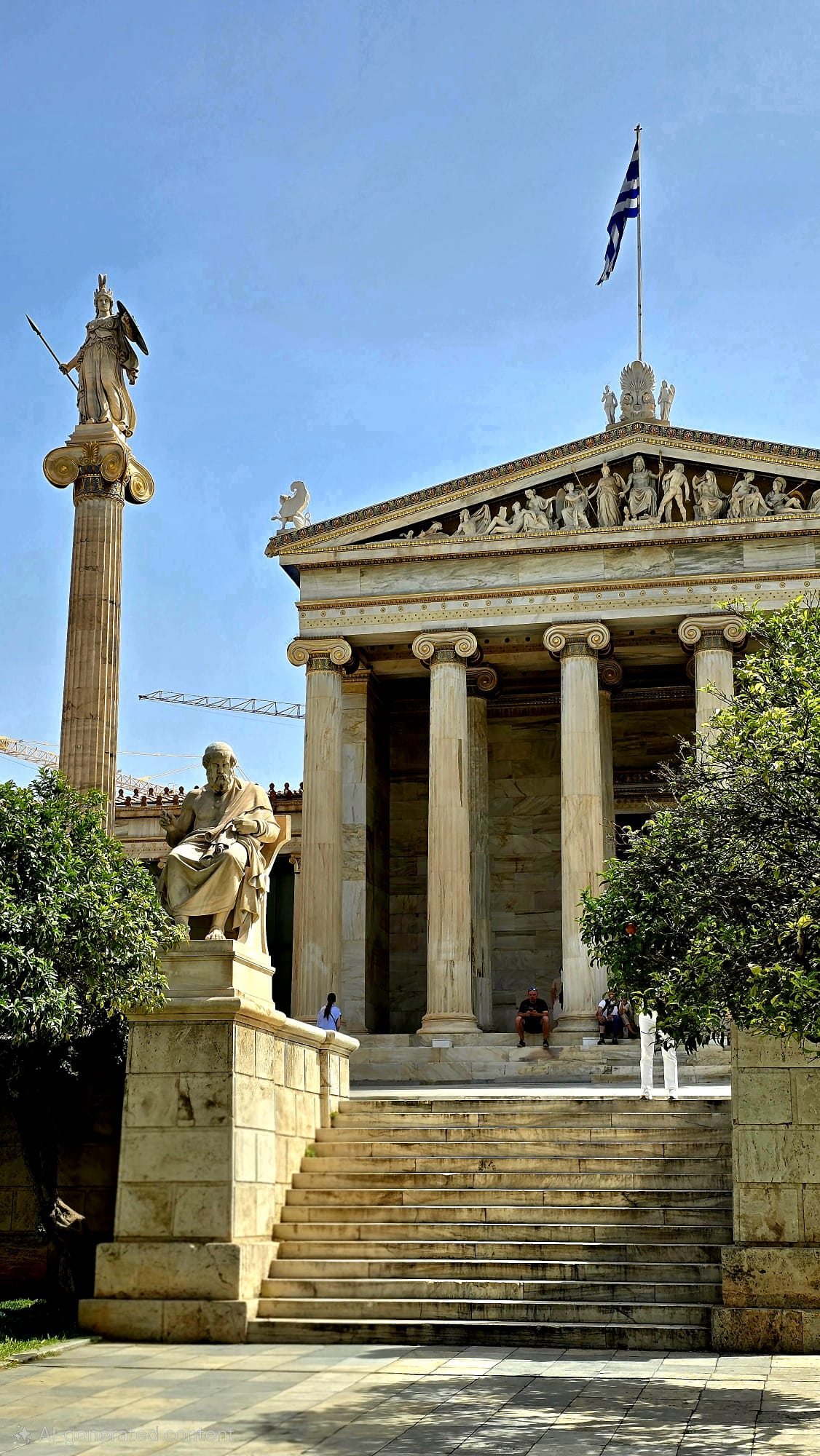
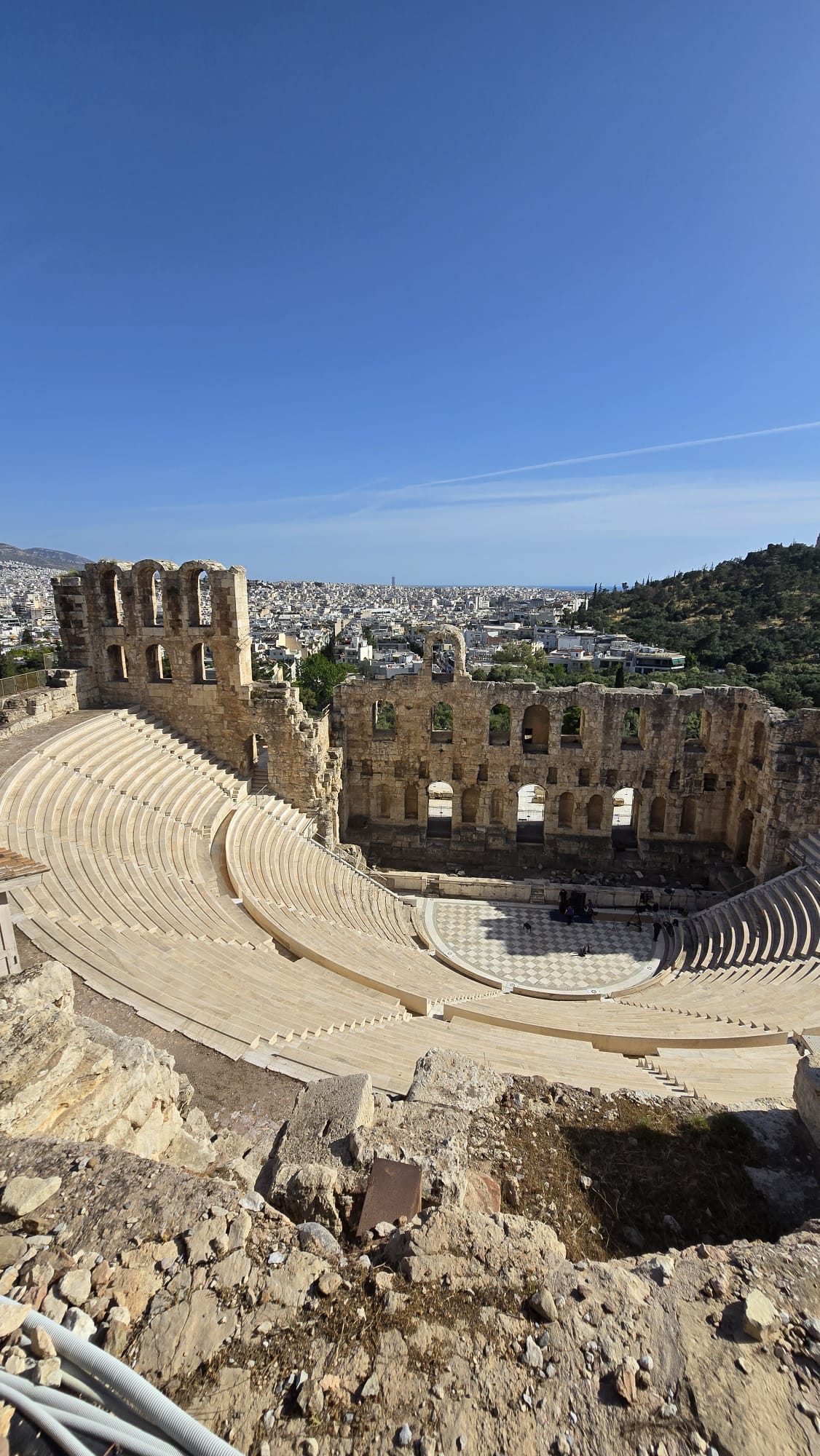
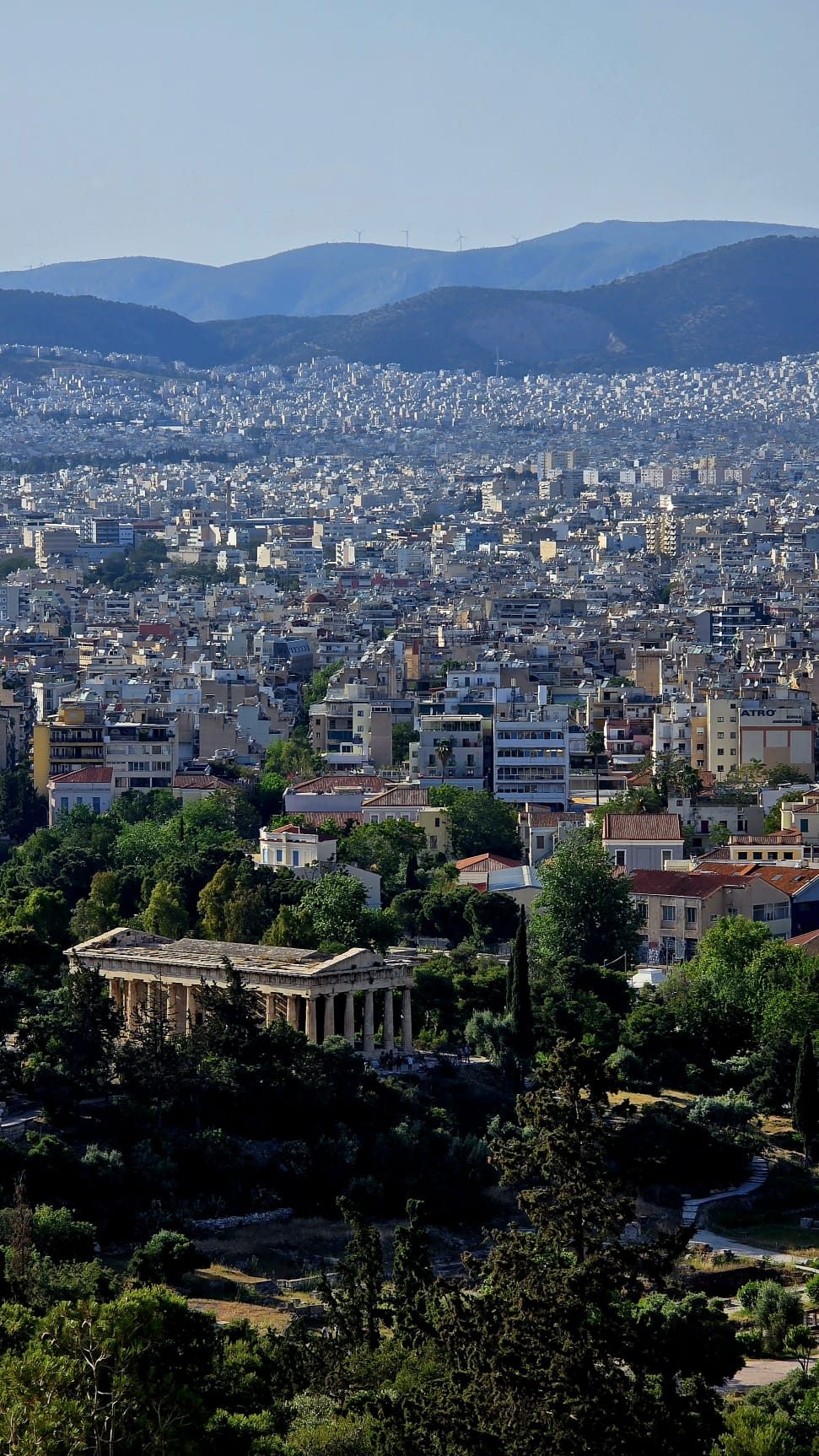
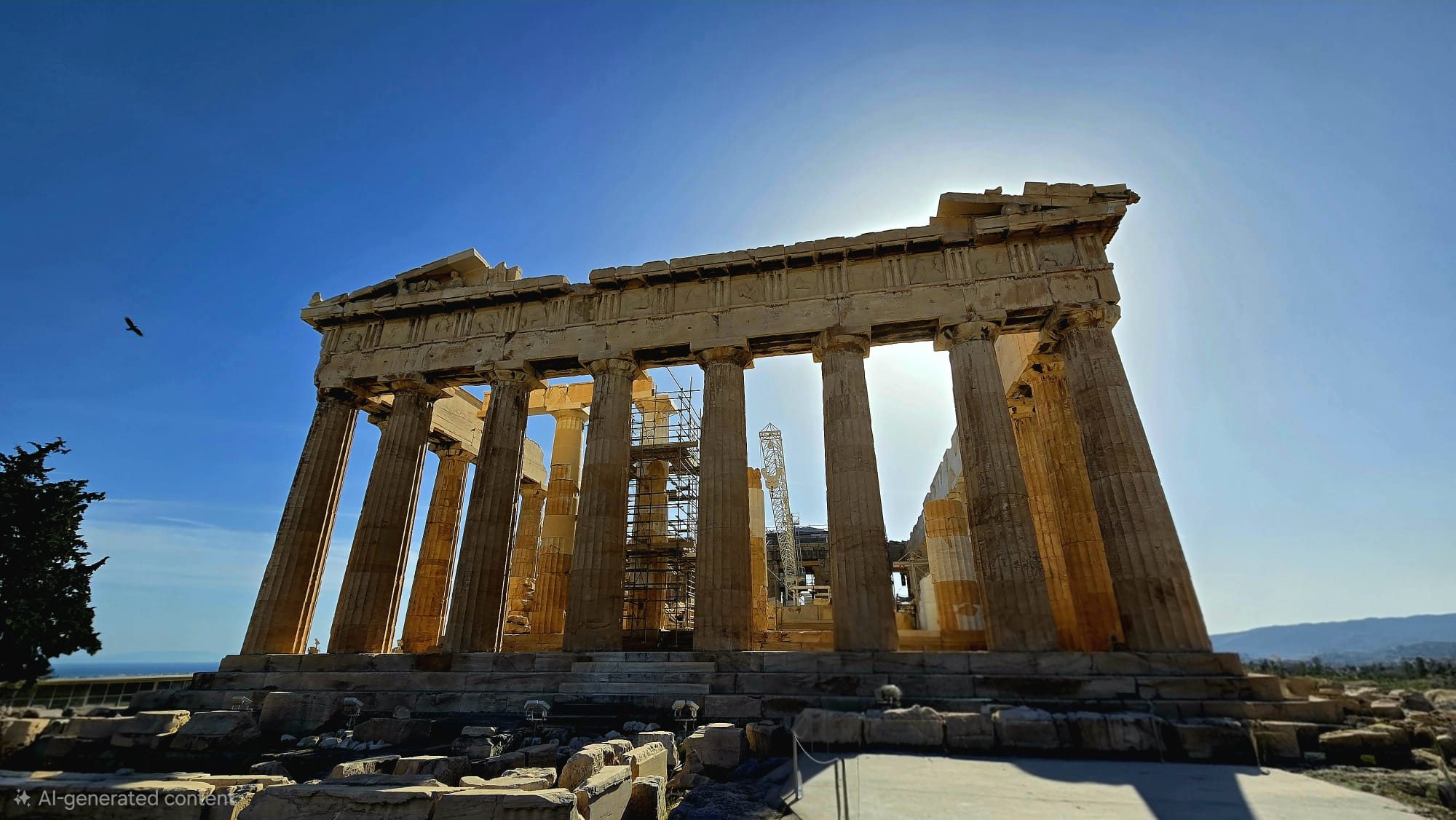
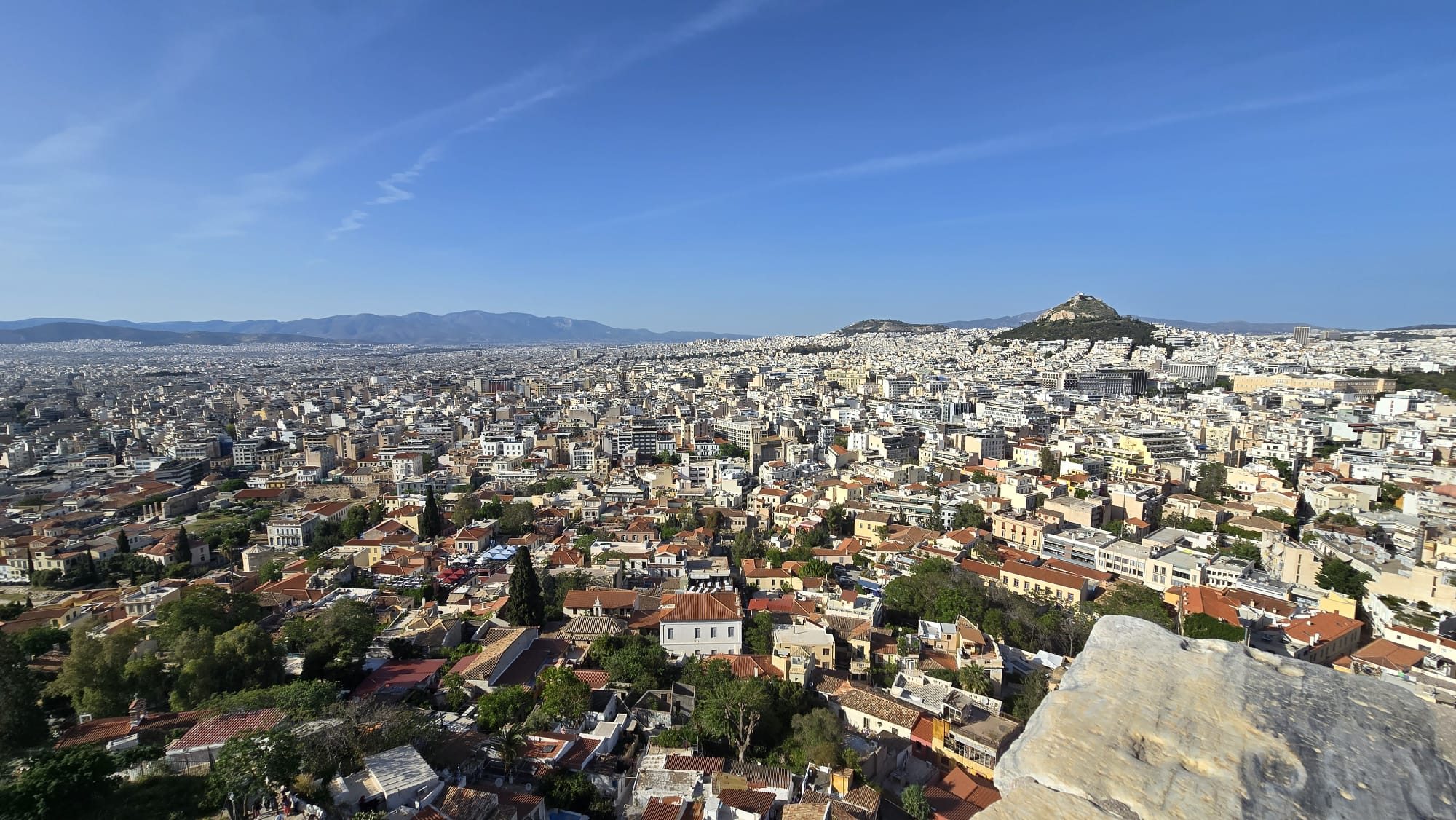
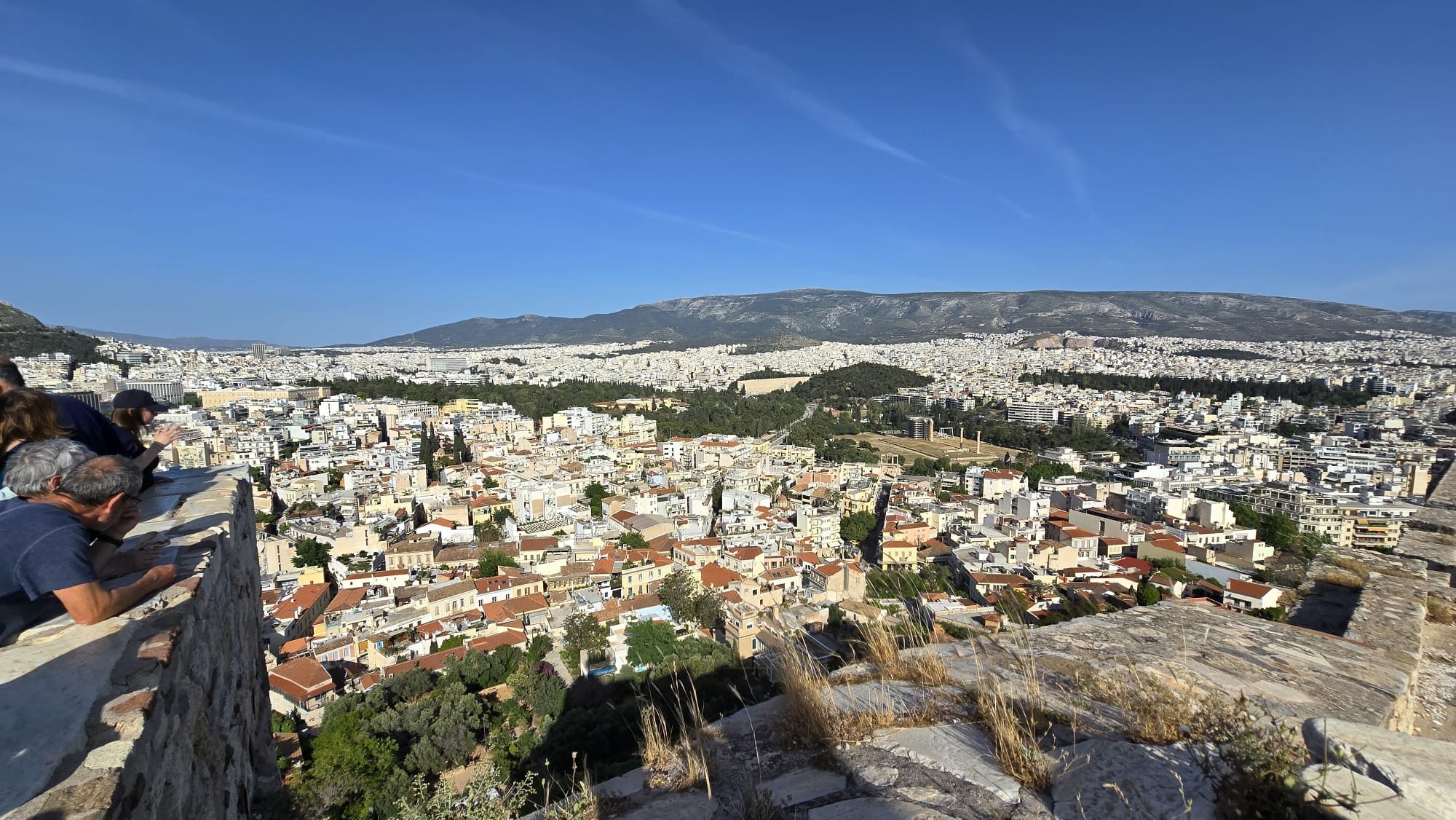
Before climbing to the Acropolis we detoured to Lukumades for honey puffs — the original of the dessert some of us know as Mr. Puffs back home — and then went up. Visiting the Acropolis a second time was still spectacular: the ancient theatre at the base, the grand entrance, and the Parthenon itself, with Athens spreading out below in a sea of red roofs. My one disappointment was the scaffolding still wrapping the Parthenon — I'd read it was meant to come off this year. After dark the city handed us its famous nightlife, streets packed and loud, a fitting last night before the flight.

The Real Comparison: Six Honest Categories
The Real Lesson Wasn't Italy or Greece — It Was How I Travelled
Here's the thing I can't separate from the verdict. The single biggest difference on this trip wasn't between the two countries at all. It was between the three days I gave Rome on foot and the one rushed day I gave every other port. Rome won partly because Rome got time — and Greece never did.
A cruise is a brilliant way to sample the Mediterranean. It is a poor way to know it. Last time, I "saw" Rome through a bus window and came home with nothing. This time I walked it for three days and came home changed. That's not a small difference; it's the whole difference. The ports we got one day in — Crete, Mykonos, Athens — I can review but I can't really claim. I scouted them. I didn't live them.
"The cruise is the trailer. It tells you which film you want to come back and actually watch. Don't mistake the trailer for the movie — I did, once, and called it 'seeing Rome.'"
So if the real question behind 'Italy or Greece' is 'where should I spend my limited time,' my honest answer is: pick one, and stay. A week in Rome and the Amalfi Coast will beat a week of one-day Mediterranean ports every single time. And much of why those quick ports feel so expensive and so rushed isn't the place — it's the machine that sells the trip, which PONTUS pulls apart in who actually owns online travel.
Who Should Choose Which
Choose Italy if this is your first big Mediterranean trip. If food is central to how you travel. If you want ancient history and a walkable city in the same afternoon. If you'd rather go deep on one country than skim several. Rome alone justifies the flight, and the Amalfi Coast proves Italy can do the sea-and-cliffs fantasy too.
Choose Greece if the sea is the point. If you want to actually swim, island-hop, and feel the day loosen around you. If value matters and you'd rather your money go further. If you've done the great European cities already and you're ready for something lighter, brighter, and built around the water.
Do both — slowly if you can. They genuinely complete each other: Italy for the cities and the table, Greece for the islands and the swim. Just don't try to do both in eight one-day ports and call it knowing them. Give each a proper week. If a full Greek week is the plan, the 7-day Athens, Santorini & Mykonos itinerary is the structural answer.
Italy & Greece — What I'd Tell a Friend Before They Go
Give Rome three days minimum. One day is a bus window. Three days on foot is a different city and a different memory. This was the clearest lesson of the whole trip.
In Greece, say yes to the boat. The best hours we had were unplanned and on the water — a 25-euro group trip off Crete beat anything we scheduled in advance.
Eat where the country is strongest. Lean into pizza, pasta and tiramisu in Italy; gyros and loukoumades in Greece. Don't waste an Italian dinner on a salad or a Greek lunch on a pizza.
Check restoration schedules before you build expectations. The Parthenon was still under scaffolding when I went, despite the plans to remove it. Worth a two-minute search before you pin your hopes on a clear shot.
If you cruise, add land days on the front or back. Arrive early or stay late in your embarkation city. It's the cheapest way to turn a sampler into a real trip.
For travellers who'd like to keep seeing the Mediterranean this way — for far less, and alongside the people who write these stories — PONTUS runs a private travel membership. Read about the community side →
The Verdict — And Why It's Italy
Greece took the islands, the value, and half the coast. It gave me the freezing Cretan swim, the Mykonos light, the loukoumades, the cheapest best afternoon of the whole trip. On a scorecard of days, Greece might even edge ahead.
But travel, for me, isn't only about the best days. It's about the place that keeps pulling you back — and that's Rome, and Italy around it. The food I still think about. The three days that weren't enough. The city where every corner handed me another two thousand years and I just wanted more time to stand in it. Greece gave me the stories. Italy gave me the longing. If I could book one flight tomorrow, I know exactly where it lands.
"Go to Greece for the trip of your life. Go to Italy for the place you'll spend the rest of it trying to get back to. And whichever you pick — give it more than a single day."
One last thing — visit twice
The quiet truth running under all of this: I'd been to most of these places before, and I barely remembered them. Rome through a bus window. Sorrento as a blur. Mykonos for three hours after dark. I didn't really see any of it until the second time, on my own feet, on my own clock. So maybe the honest answer to 'Italy or Greece' is the same answer I'd give to almost any destination — go, and then go again. The first visit shows you the place. The second one is where it finally becomes yours.
Sam sailed from Rome to Athens and came home with a verdict, a full camera roll, and an argument worth having. Every photograph on this page is his own, shot on the trip. If his eye is your kind of travel, follow along — he is already documenting the next one.
If you read this all the way down, there's a fair chance you've stood in one of these countries — or both — and come away with your own verdict. I want to read it. PONTUS reads every story that comes in, and writes back. The pieces that earn it go live here with your name on them, your photographs, your call.
Everyone should get to
stand here too.
This is why PONTUS was built. We all live one life — and everyone should have the chance to walk the Roman Forum, or jump off a boat into the Aegean, or both. We're a community of people who believe travel should be a way of life, not a luxury reserved for the few.
- For those who want to be part of a community of like-minded people
- For those who don't want to break the bank just because they want to see the world
- For those who are ready to put the effort in and build their own income from the travel industry
Whatever you want, whatever you choose — PONTUS is here.
Join the Community