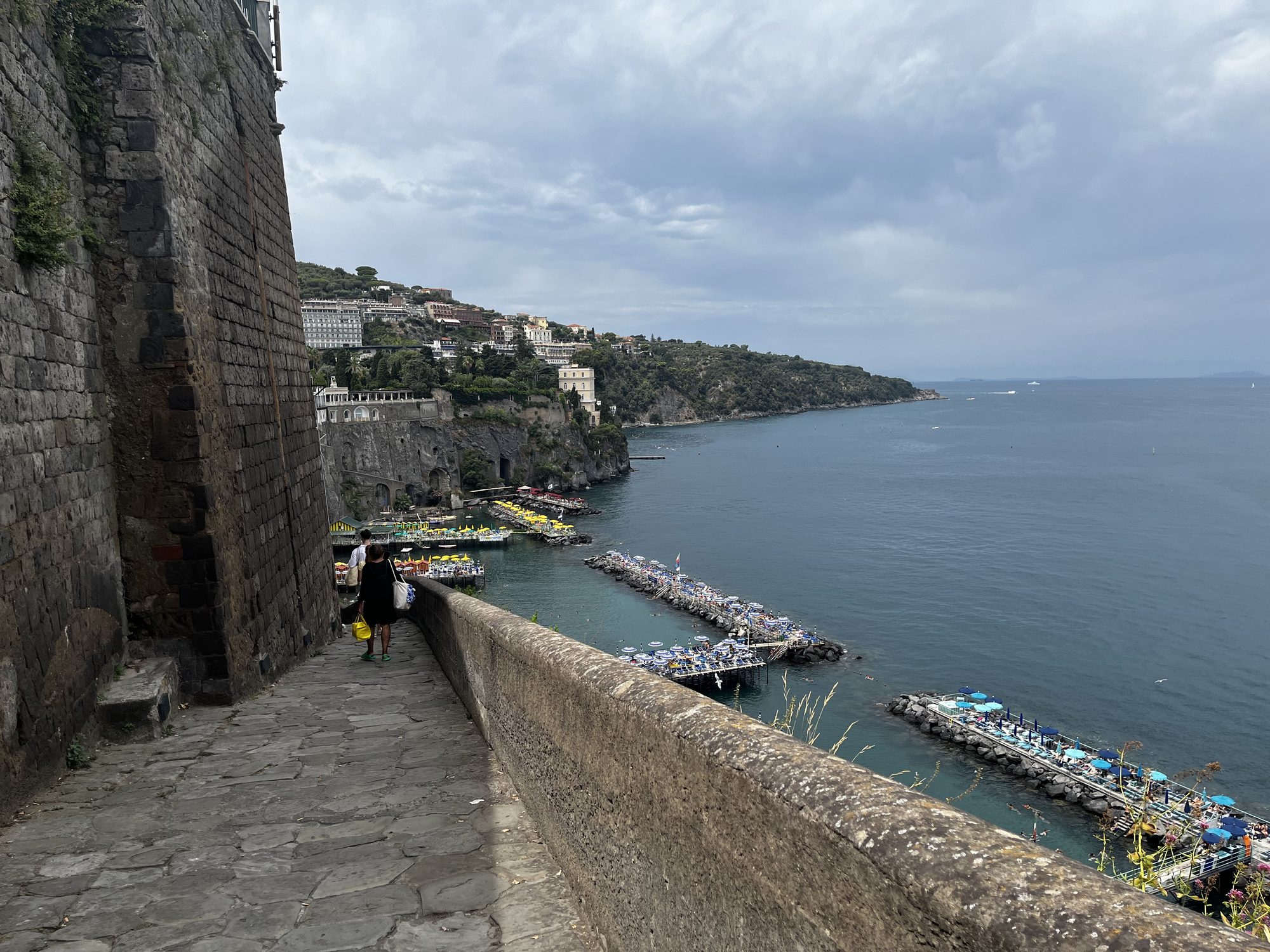
Rome first if it is your first trip to Italy. Naples if you are coming back — and for the food.
The full verdictWhen a friend of yours gets back from Italy, where do they say they went? Rome, Florence, Venice — and the more adventurous ones spent a few days in Tuscany or on the Amalfi Coast.
This is your classic, generic Italy itinerary. Followed by millions every year.
It is the wrong itinerary.
The high-speed train links them in about an hour and ten minutes. Rome is irreplaceable. So is Naples — for entirely different reasons. The wrong move is not to choose. The wrong move is to skip Naples because of a reputation built on outdated fear and a particular kind of travel snobbery that mistakes comfort for experience. The lines above tell you which one is for you. If your decision is more specifically about where to base for the Amalfi Coast, the Naples as Amalfi Coast base argument is the next read; and if you are planning the Vesuvius cities, the Pompeii or Herculaneum verdict tells you how to do both in a single day.
Every piece here ends with an honest call on where to actually go. New verdicts land in your inbox first. One email. No noise.
Not wrong because Rome and Florence and Venice are not extraordinary — they are. But wrong because it leaves out the part of Italy that is most Italian, most alive, most raw, most generous, and most worth the journey. It leaves out the south. It leaves out Naples. And the reason it leaves out Naples stems from a reputation built on decades of exaggeration, outdated fear, and the specific kind of travel snobbery that mistakes comfort for experience.
I went to Naples. I stayed near Pompeii in the small town at the foot of the ancient ruins. I went to Sorrento. I did the Amalfi Coast. And what I want to tell you — what nobody told me clearly enough before I went — is that Naples is the hinge on which all of it turns. Go there first. Go there with an open mind and sensible expectations. What follows is the honest case.
Arriving in Naples — Like Strong Coffee
Unless you are staying a little too far away from the city, you will be arriving by bus, not by train. The bus parks itself at one of Naples' main terminals. You will already have seen how people drive there, so you know something is coming. You step off the bus and Naples hits you all at once.
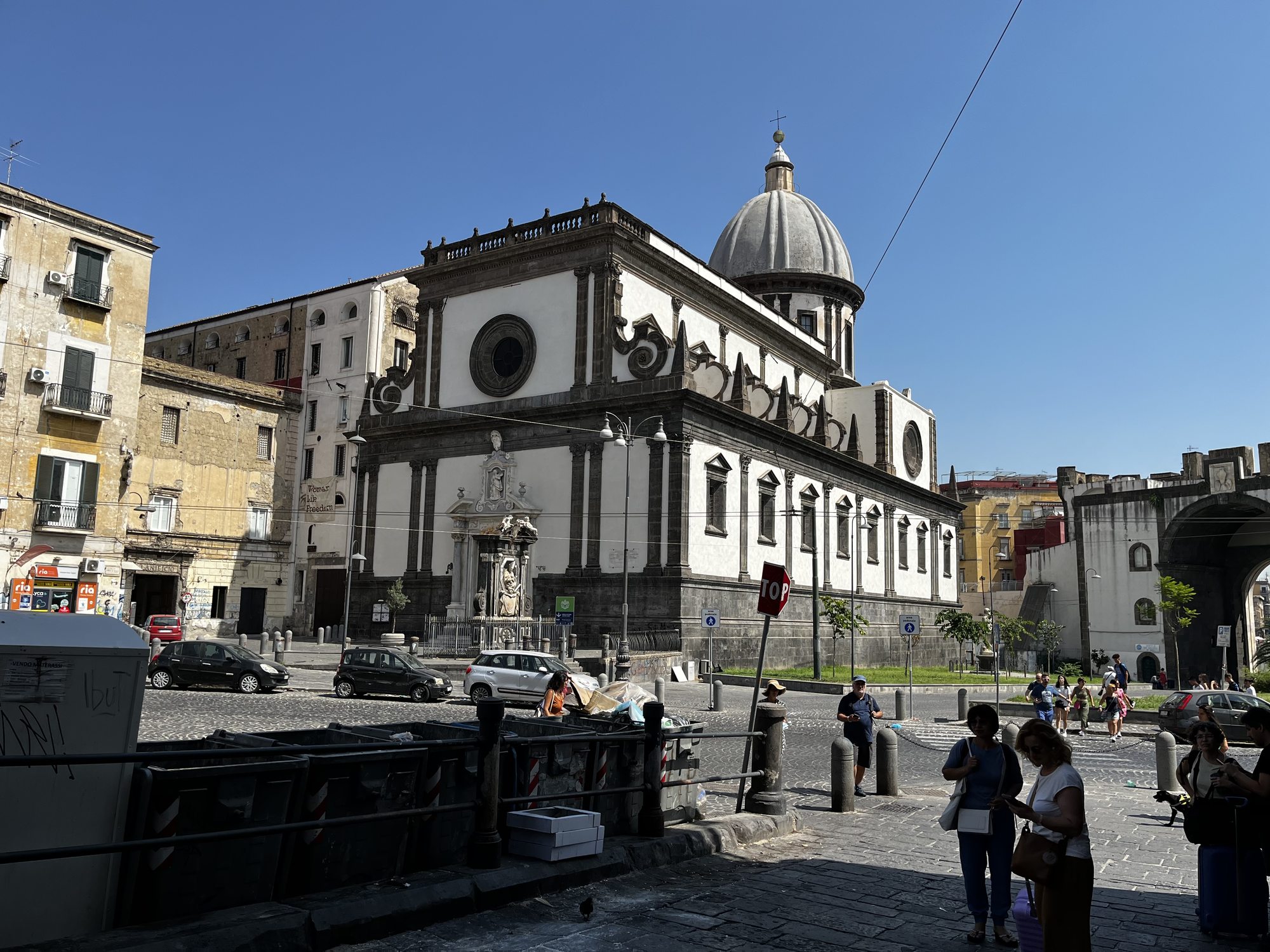
The noise of the busy streets. The hustle and bustle of people commuting. The smell of something delicious somewhere in the not-too-far distance. It is an electrifying feeling. No matter how tired you are from the journey there, the arrival wakes you up like a strong cup of coffee.
You don't need a meticulous plan for your stay. Just let Naples take you where it will take you.
The Case Against Naples — Addressed Honestly
Let me give the counterargument its full credit, with full transparency.
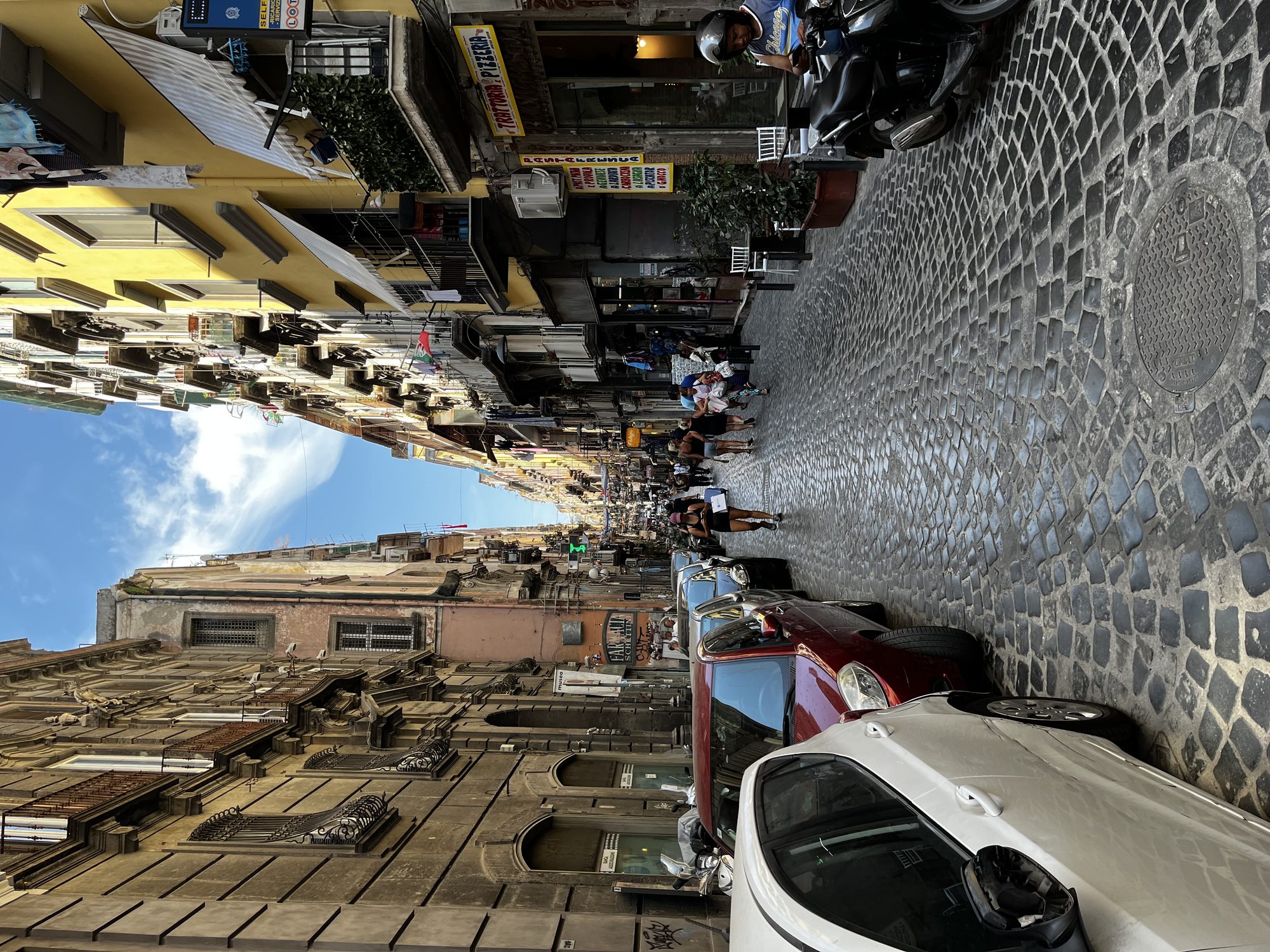
Naples has a reputation for chaos, petty crime, and a kind of controlled disorder that can be genuinely overwhelming if you arrive unprepared. People here don't drive based on rules — they drive based on suggestions. If you are going to wait for cars to let you cross the street, you will spend your entire stay waiting. Instead, follow what the locals do. Start crossing. The drivers don't want to hit you; they understand that you are crossing and will slow down or stop. Be confident. Have chutzpah — audacity, presence, conviction. Hesitation is the dangerous thing here. Naples is raw and dynamic. People live in the moment, and you have to join their flow.
"Naples will not conform to you. You need to conform to Naples."
The Quartieri Spagnoli — the tight labyrinth of working-class alleyways at the heart of the old city — can feel genuinely disorienting the first time you walk into it. People are everywhere. It can be touristy in parts. But what are you going to do — not see it? No. Get into the crowd. You need to feel it for yourself.
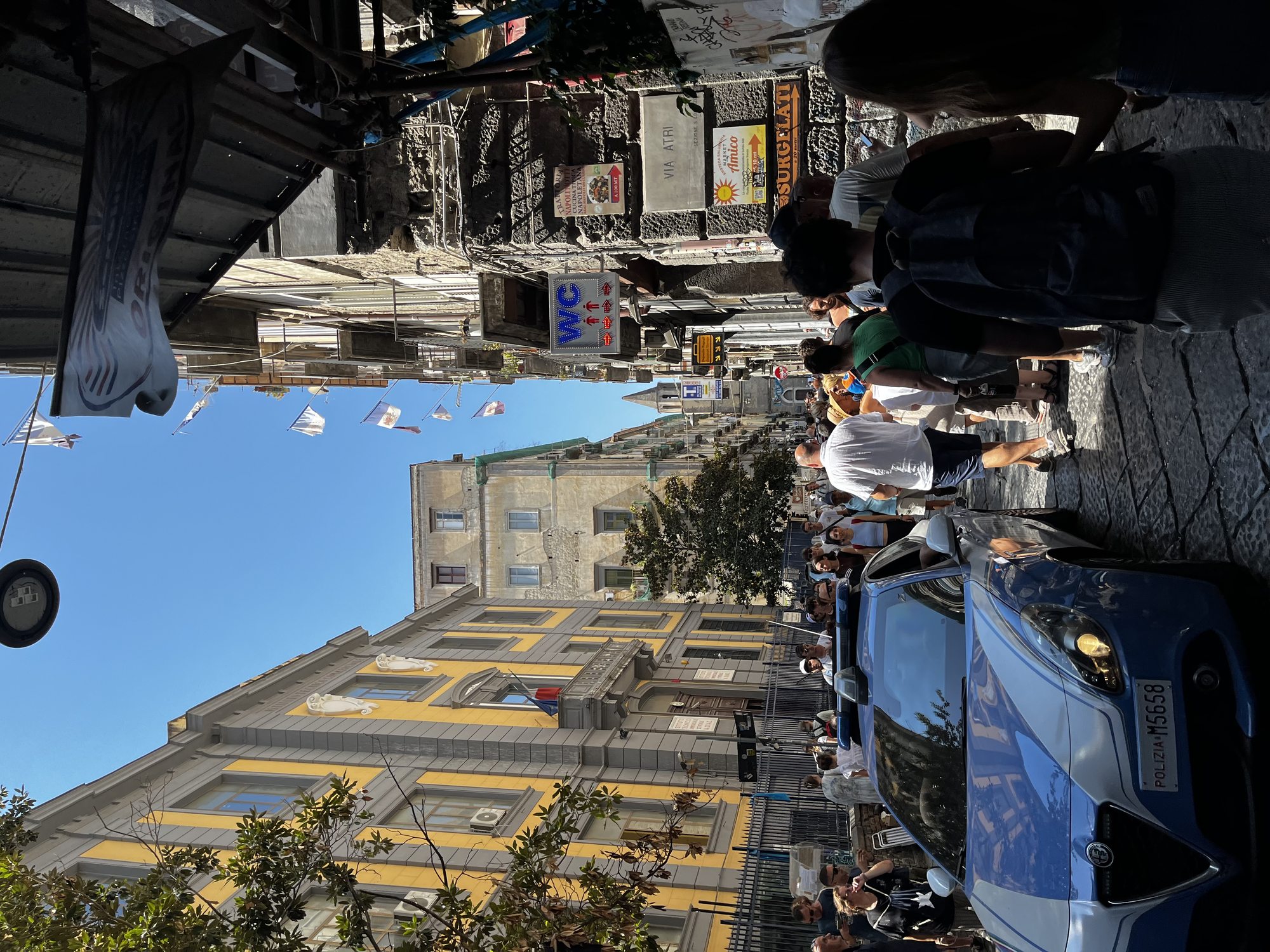
Does petty theft exist in Naples? Yes. Pickpocketing on the Circumvesuviana — the regional railway connecting Naples to Pompeii and Sorrento — is real enough that every guidebook mentions it. The homicide rate, while dramatically lower than the international reputation suggests, is higher than in Rome or Florence. Parts of the city are genuinely rough. The graffiti, the peeling facades, the sections where the streets narrow to the width of a single person — these are real.
And yet. Naples has a homicide rate of roughly three per 100,000 people — lower than most American cities, lower than Brussels, lower than Glasgow. The vast majority of what makes visitors nervous in Naples is surface texture, not actual danger. The chaos is real. The threat is largely imagined. This is the crucial distinction, and it is one that most travel coverage of Naples fails to make clearly.
Is Naples safe for tourists?
Yes — with the kind of common sense you'd apply in any major European city. The Quartieri Spagnoli at midday is genuinely lively, not dangerous. The Circumvesuviana train carries the pickpocket reputation, so keep your bag in front of you and your phone out of your back pocket. Avoid the outskirts of Scampia and Secondigliano at night — these are residential areas where you have no reason to be anyway. The historic centre, the Lungomare, the Vomero, and the route to and from Pompeii are completely fine. Solo female travellers walk Naples every day without incident. The reputation outpaces the reality by a wide margin.
What Naples Actually Is
Naples is a raw, passionate city. Italy's third largest, and one of the oldest continuously inhabited cities in the world — dating back to roughly 2,000 BC. Over four thousand years.
Founded by the Greeks. Given the name Neapolis — meaning new city. Virgil spent his final years here. Cicero had a villa on the coast. When Roman elites wanted to escape the city for the summer, they came to the Bay of Naples.
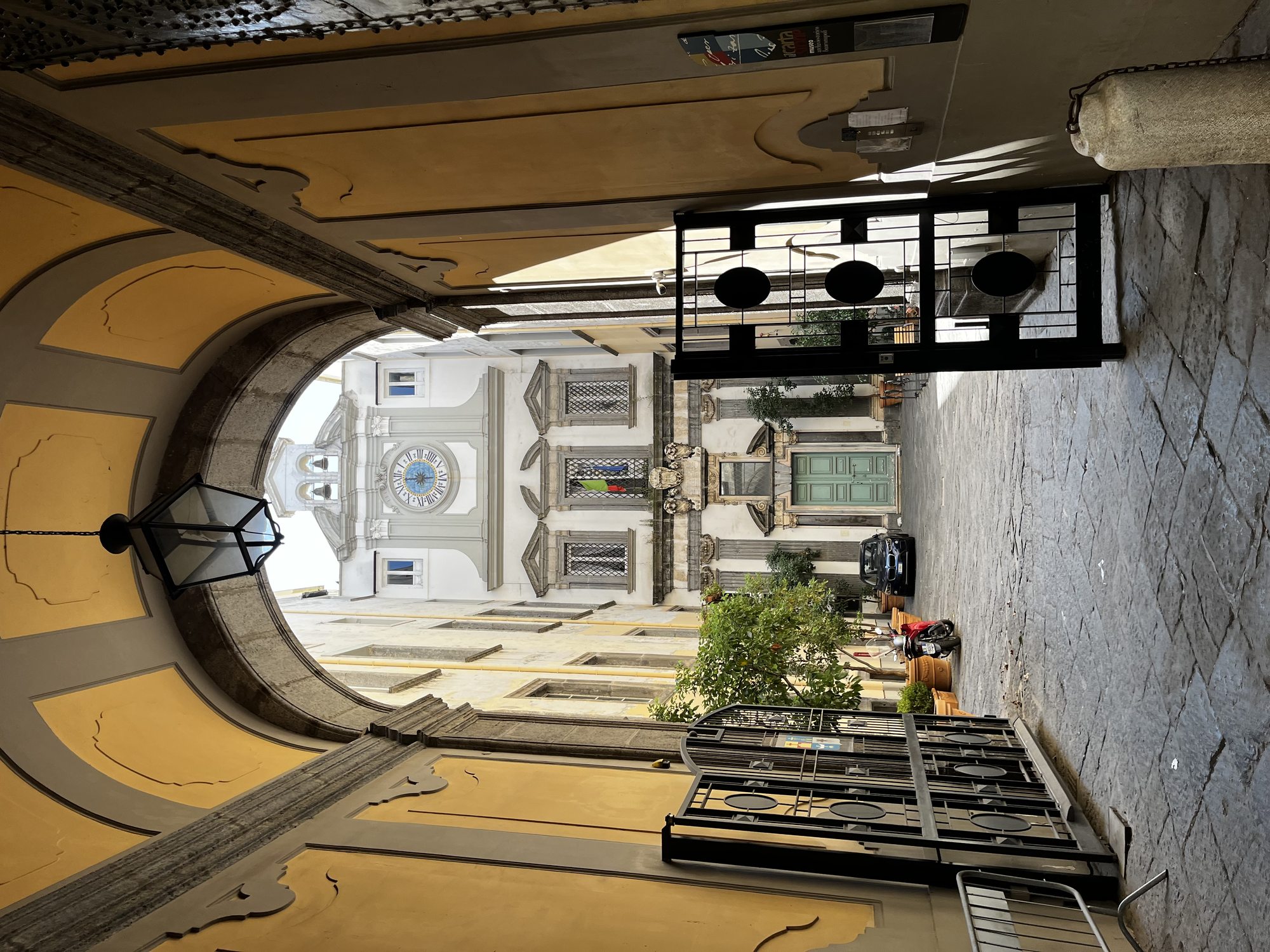
The result of three thousand years of continuous occupation by Greeks, Romans, Byzantines, Normans, Angevins, Aragonese and Spanish is a city of staggering historical depth — one that makes Rome feel, in certain moments, almost legible. Naples resists legibility. It is too layered, too complex, too many-sided to be reduced to a single identity. This is not a weakness. It is the most interesting thing about the place.
If you want to see the Greek mirror image of this argument — a Greek island that was Venetian for four hundred years, French under Napoleon, and British until 1864, with all four layers still physically present in the streets — read Corfu — the Greek island that doesn't feel Greek. The Italian sauce running through the food and the architecture is the same Italian sauce that runs through Naples. The same instinct. The same kind of layered, illegible, unforgettable place.
And for the North American version of the layered-old-quarter argument — the only walled city north of Mexico, French-built and four hundred years old — read Quebec City — Europe without the flight. Cobblestone, stone vaults, chalkboard menus. Two hours from Montreal. The closest the continent gets.
The Food — The Real Argument
When most people think of Naples, they think of pizza — and with good reason. Naples is the birthplace of pizza. This fact is so well-known it has almost lost its meaning. Let me give it back to you.
The pizza you have eaten anywhere else in the world is a version of something that was invented here, in this specific city, by these specific people, using these specific ingredients. The San Marzano tomato grown in the volcanic soil of Campania. The buffalo mozzarella produced in the fields south of the city. The specific wood-fired cooking technique. The specific dough hydration. None of this is metaphor. It is literal geography.
Before going to Naples, there was one thing I did research: where is the best pizza in the city? It is the kind of question that can start a small civil war. Many places will claim to be the king. There was, however, an episode of Gordon, Gino and Fred — three celebrity chefs travelling Italy — who stopped at one of, if not the, oldest pizzerias in Naples: Antica Pizzeria Port'Alba. Praised by Gordon Ramsay. That made me want to try it.
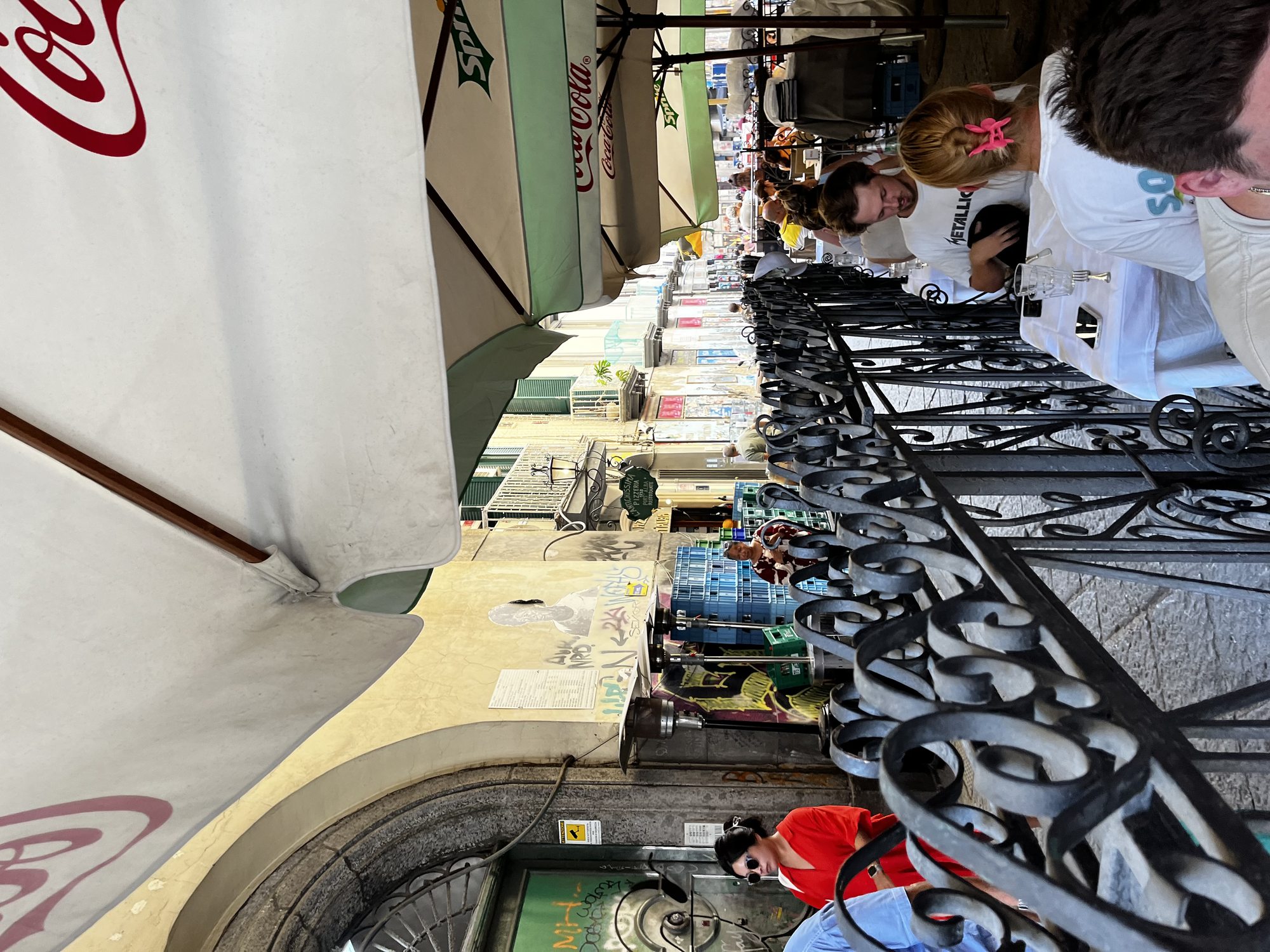
We ordered two Aperol spritzes and two pizzas — one classic margherita, and one mushroom pizza recommended by the server.
Impeccable.
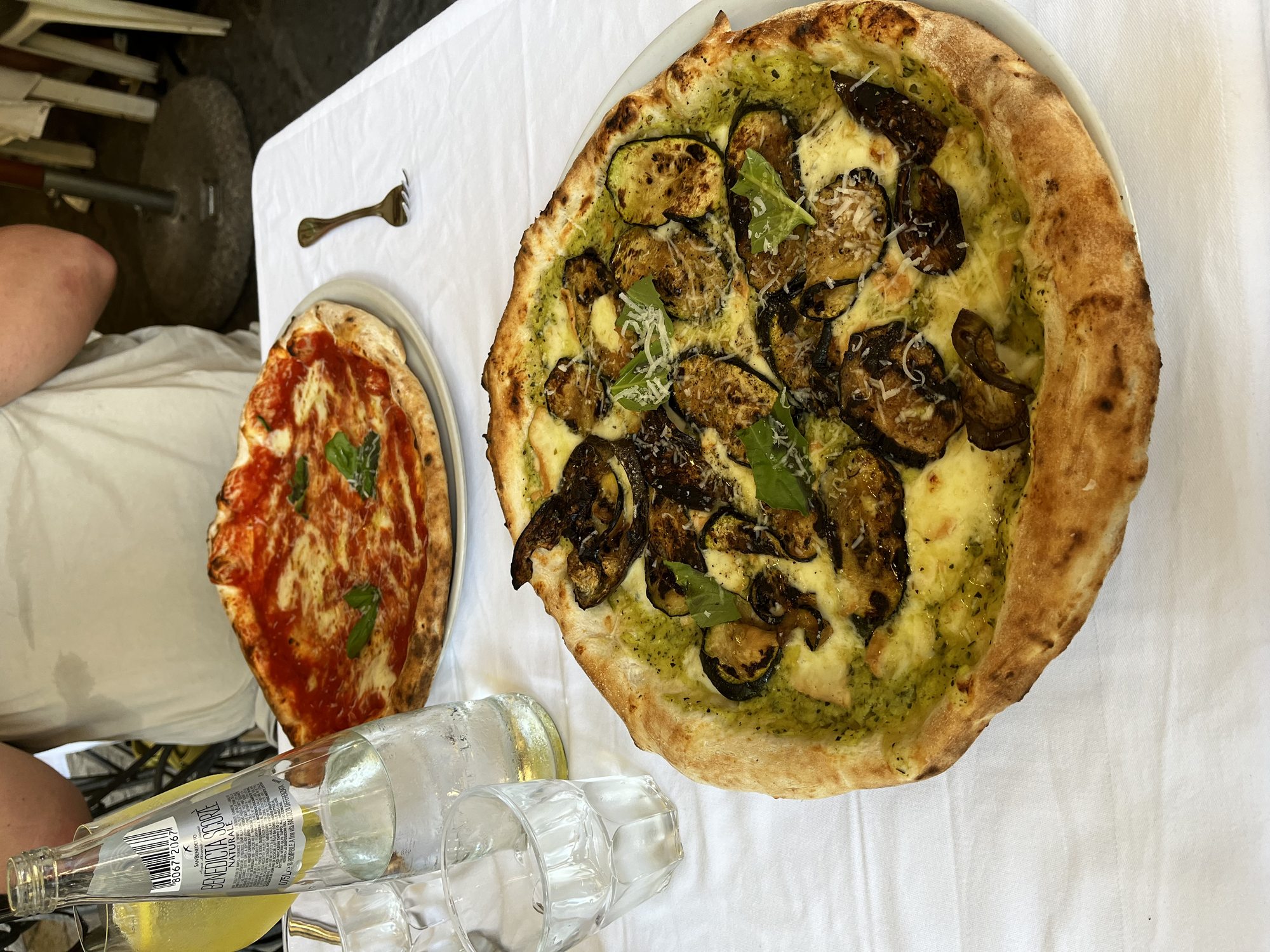
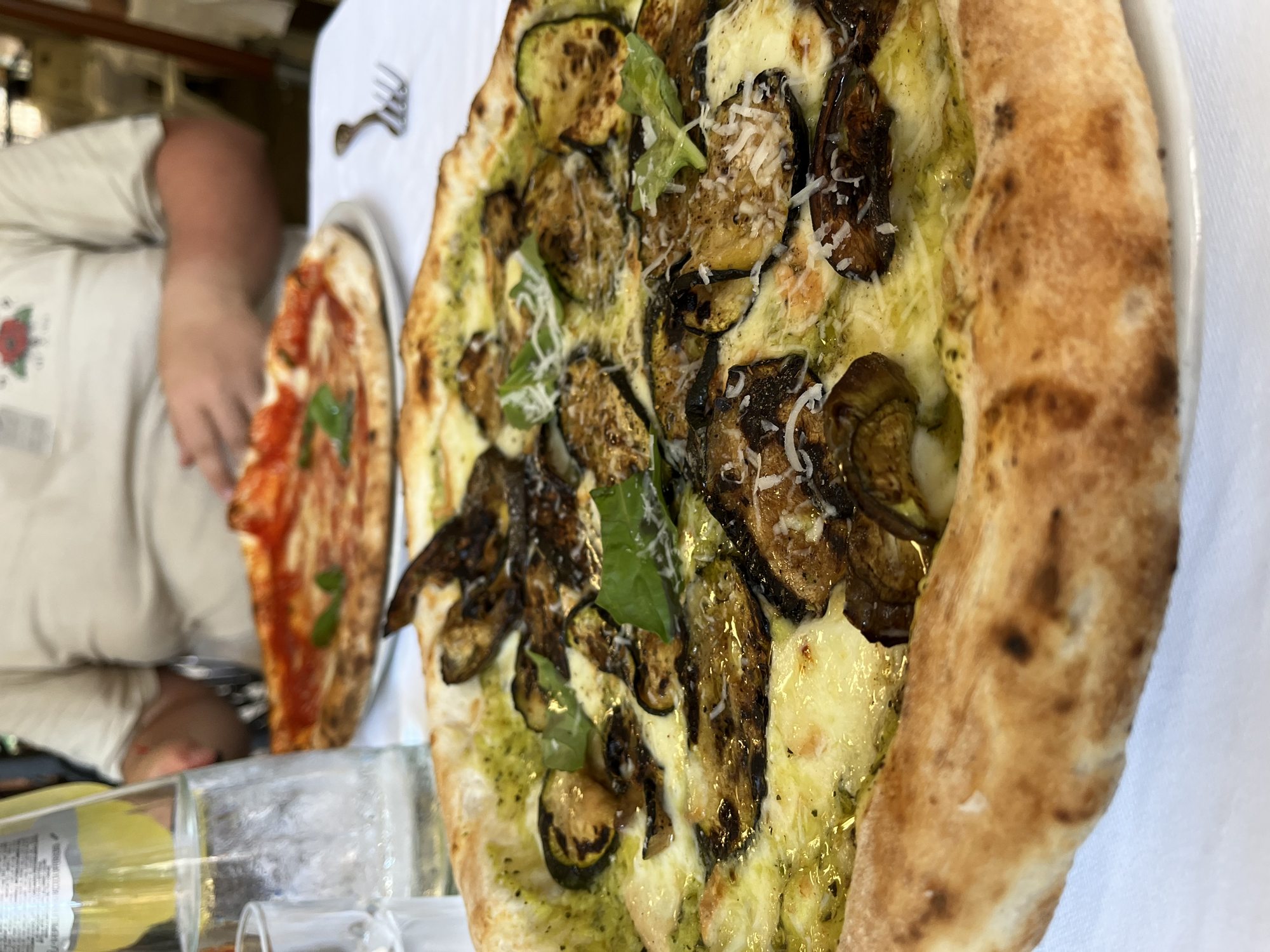
You can taste every single ingredient. The dough is perfect — a mastered art, refined over decades upon decades. Light, fluffy, ridiculous. Go there. Enjoy it. Be warned — it may ruin all other pizzas for you.
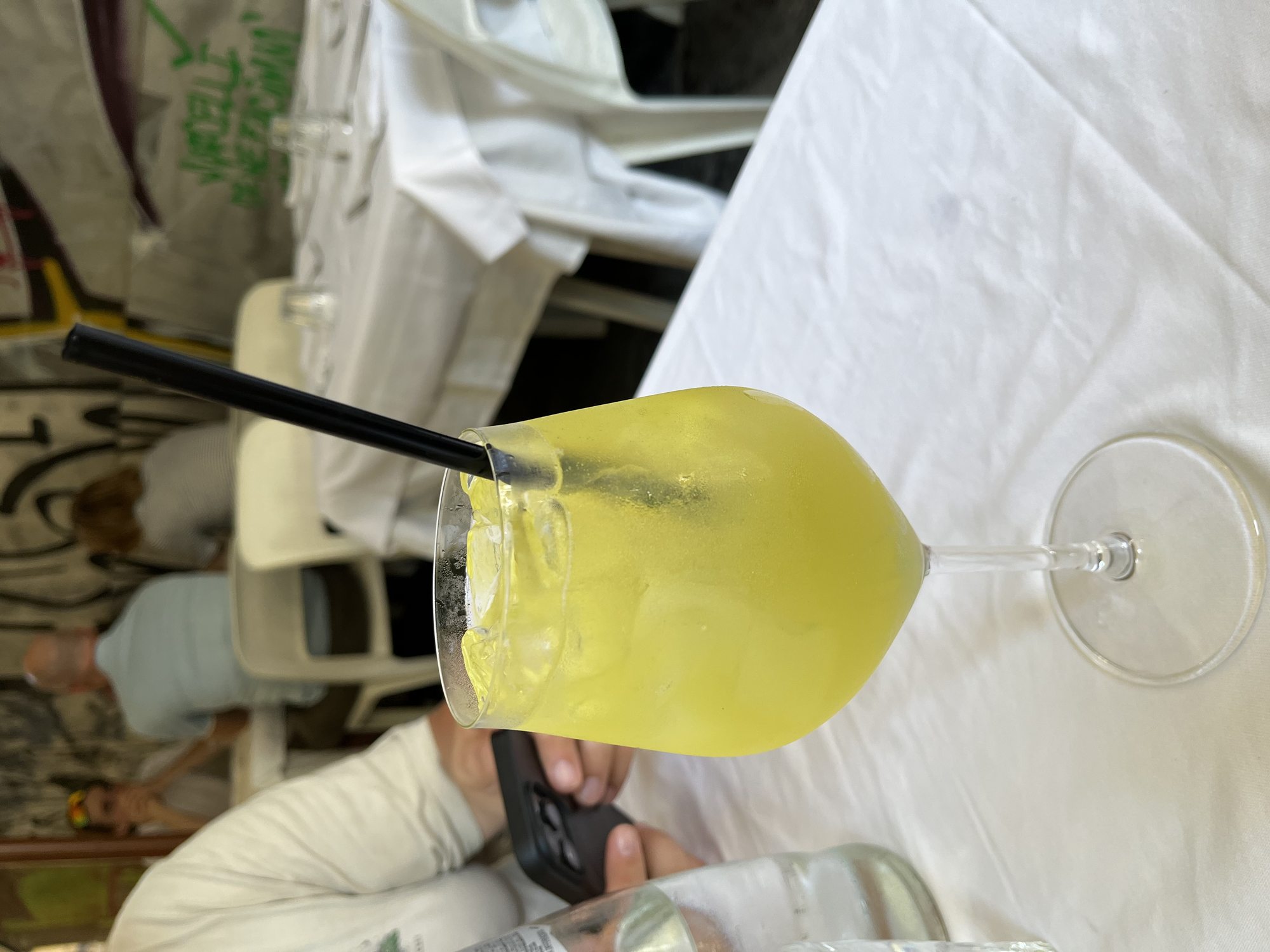
"There is a saying about Naples: Rome is the heart of Italy. Naples is its soul. After being there, I understood exactly what that means."
The Naples Underground — An Accident
As I mentioned, my cousin and I arrived in Naples with no real plan. We walked, we stopped where we wanted to stop, we ate what we wanted to eat. At some point we found ourselves in a small piazza and noticed people lining up for something. We asked a few other tourists what it was. They told us they were waiting for the start of a tour of the Napoli Sotterranea — the Naples Underground.
What do you mean?
We had no idea what it was. But the idea was intriguing enough. We bought tickets right there at the counter, waited for our group of fifteen to fill up, met our guide, and began the underground journey.
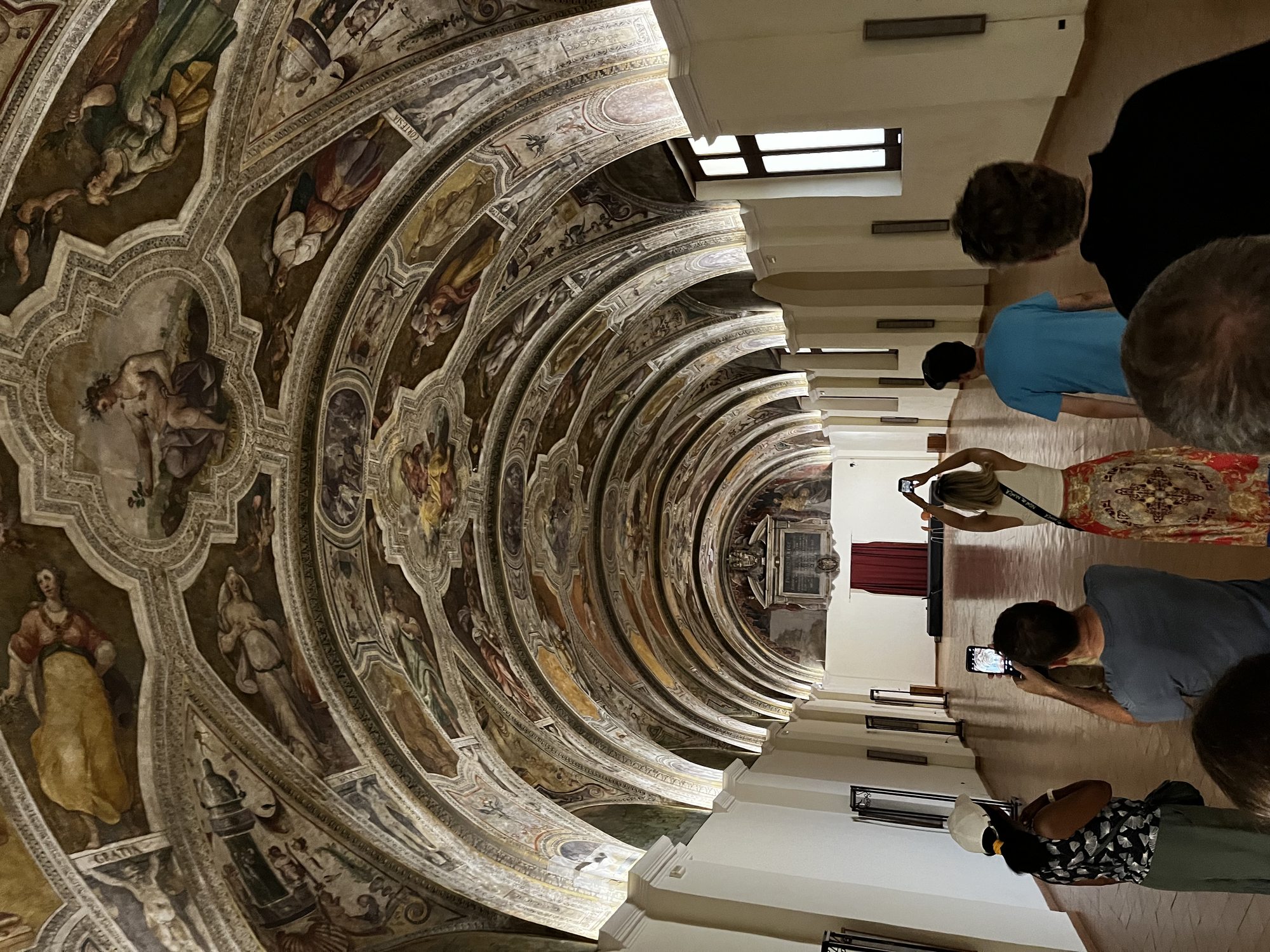
It was extraordinary. There is too much to write here, but the guide was deeply informed and what we saw was extraordinary. It was the same feeling I had standing inside the Acropolis in Athens — you are inside something thousands of years old, and it is genuinely difficult to keep your sense of perspective. One of our contributors had that same feeling standing in both the Colosseum and the Acropolis on a single cruise — his Italy vs Greece verdict is the cross-country version of this argument. You're walking through layered Roman aqueducts, Greek-cut tuff caverns, World War II air-raid shelters — all in the same one-hour route, all stacked beneath the streets you came in on.
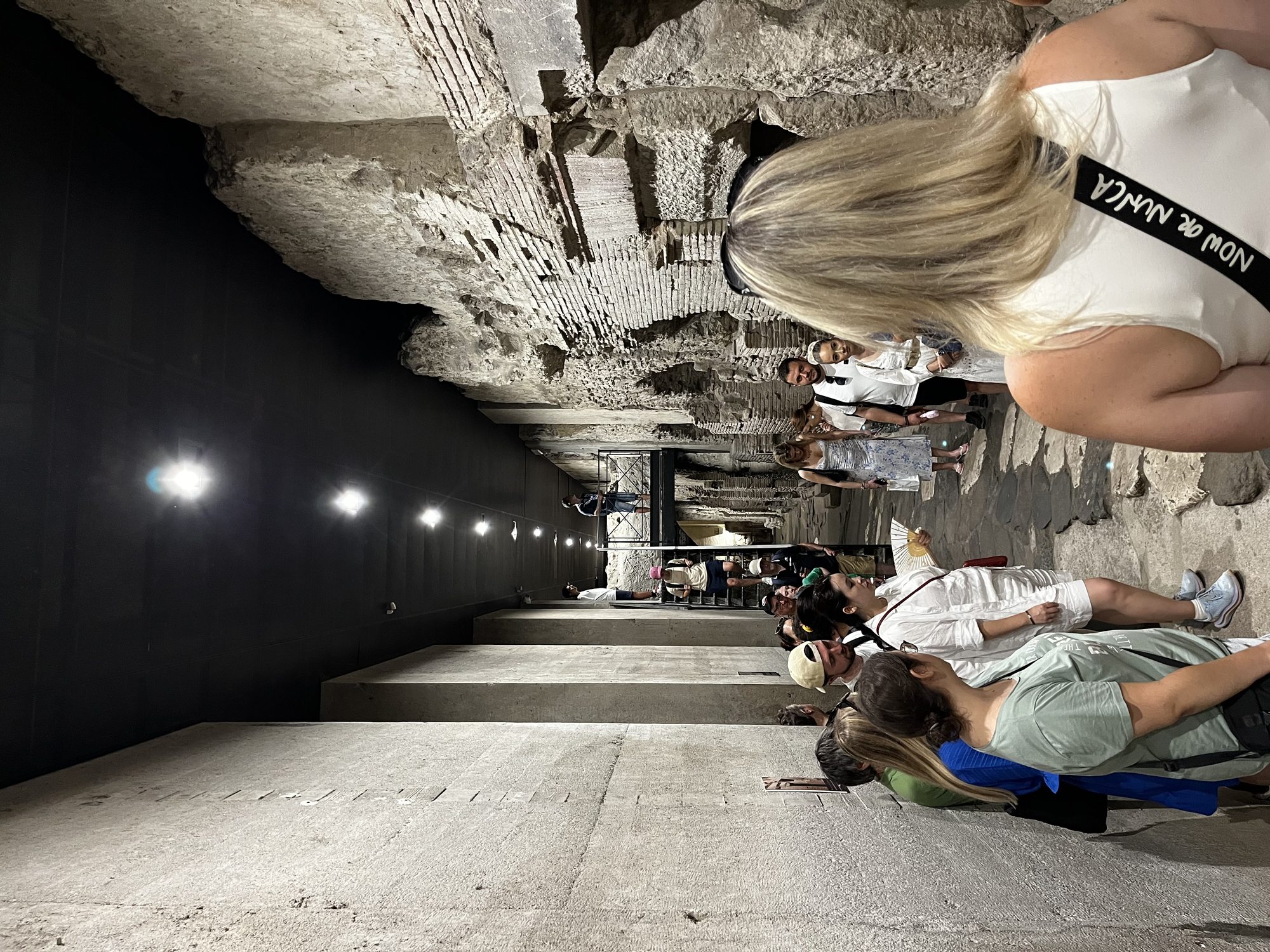
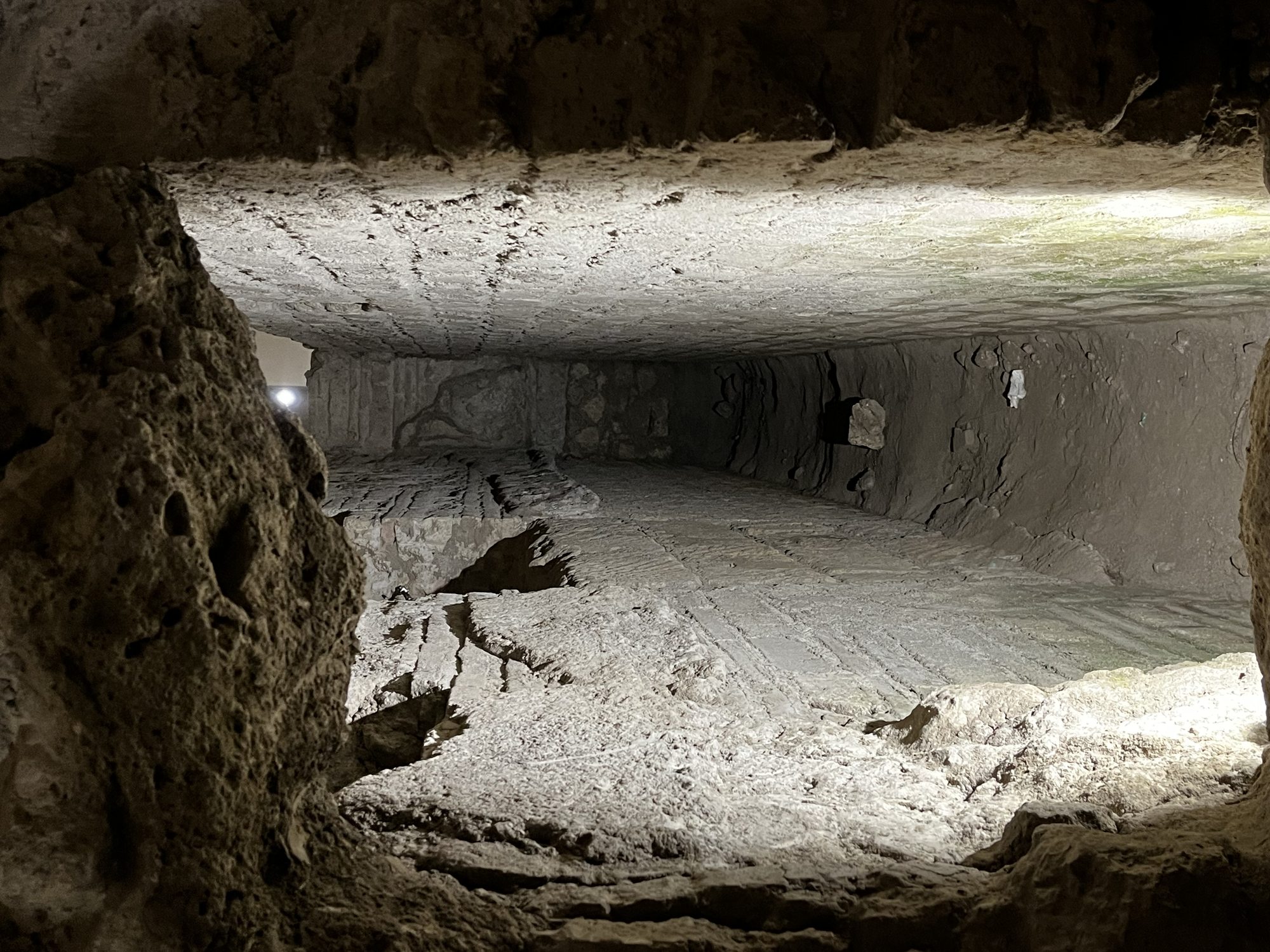
You exit through the adjoining museum, where you have at least another hour of beautiful, informative things to see. Buy the ticket. Go.
The Geography — Naples as the Key
Here is the practical argument, and it is the one that should settle the question for any traveller planning the south of Italy seriously.
Naples is the hub from which the entire region becomes accessible.
Base yourself in Naples for three or four days and the entire south of Italy opens around you like a hand spread flat on a map. Skip Naples and base yourself in Sorrento alone — as most visitors do — and you are using one finger of that hand. Naples is not the starting point most people choose. It should be.
How do you get from Rome to Naples?
Seventy minutes on the Frecciarossa or the Italo high-speed train. Departures every 30 to 45 minutes from Roma Termini, arriving directly at Napoli Centrale in the heart of the city. The fare is between €25 and €60 depending on how far ahead you book — book a month out and you'll find €25 fares in second class that are genuinely faster, quieter, and more comfortable than the regional train would be. Skip the airline route from Rome to Naples completely. By the time you've cleared security at Fiumicino, you could have already been eating pizza in the centro storico. The train is the answer.
The Circumvesuviana is how you reach Pompeii, Herculaneum and Sorrento from Naples for under €5. It is also the line that has the city's pickpocket reputation. Two simple rules and you'll be fine: keep your bag in front of you, especially when the train is full, and don't put a phone or wallet in a back pocket. That is the entire defence. More on the Pompeii practicalities here →
The Verdict — And Why It Matters
Sure. Go to Rome. Go to Florence. They are irreplaceable. But if you are planning a trip to the south of Italy — if you are planning the Amalfi Coast, Sorrento, Positano, Pompeii, Capri — do not treat Naples as a transit point. Do not pass through it on the way to somewhere you think is more important. Naples is not a stop on the way. Give it three or four days and let it be the thing the rest of the journey pivots around.
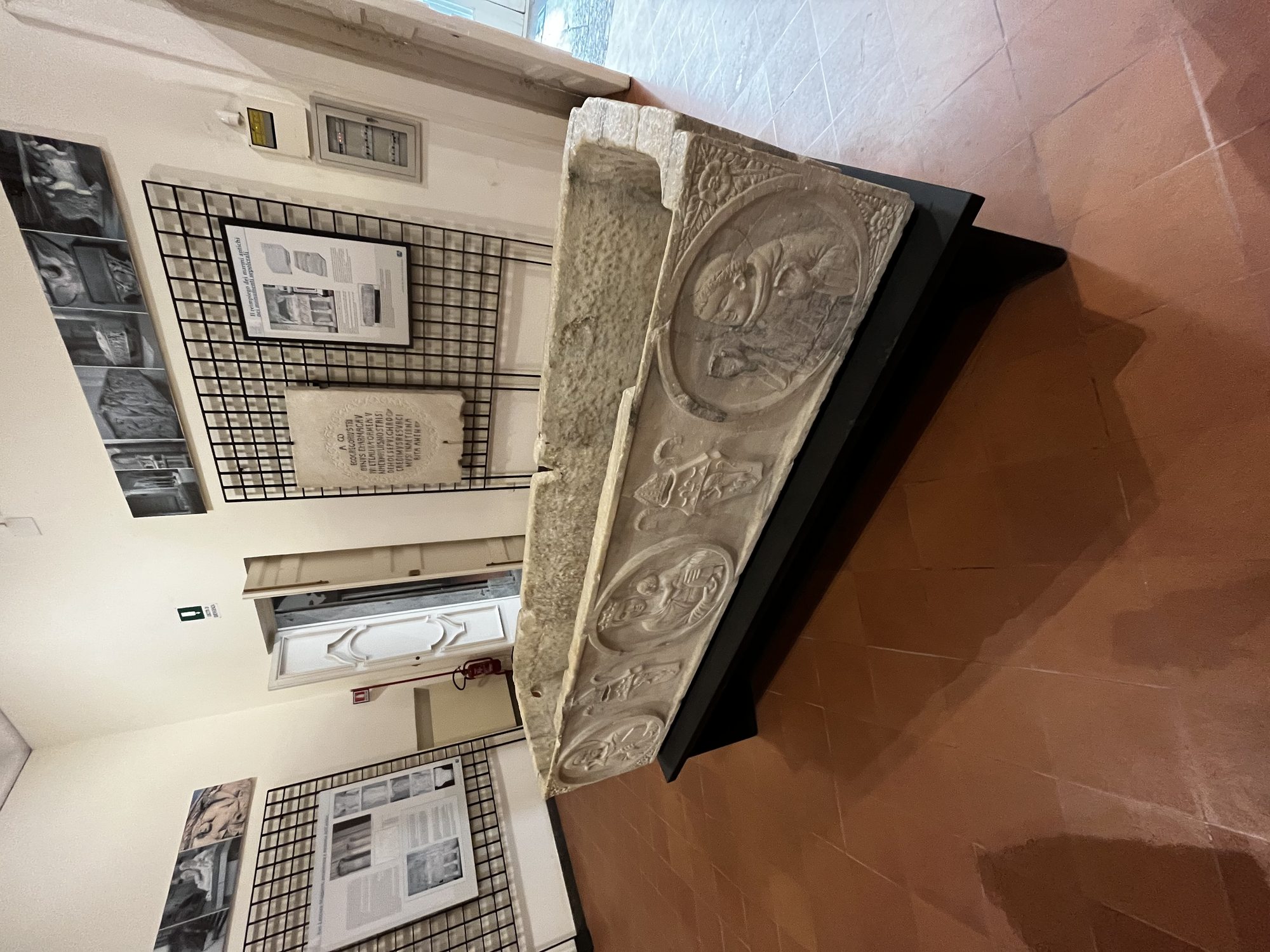
The Italy most people visit is the curated version — the museums, the monuments, the views that have been photographed into familiarity. Naples is the other Italy. The one that is still too complicated, too chaotic, too itself to have been entirely smoothed out for the international tourist market. It is the Italy that most Italian people would recognise. And it is, without question, one of the most extraordinary places I have ever been.
The same instinct — that the most rewarding places are usually the ones least covered by the standard itinerary — runs through almost every piece on PONTUS. Nishan's I'm Armenian. I Just Visited Armenia for the First Time is the strongest version of it: a country most travel guides will never cover, written by someone for whom the trip was also a homecoming. Read that next.
The standard itinerary puts Rome first. I understand why — Rome is astonishing, and it makes a logical gateway. But if I were going back to southern Italy tomorrow, I would land in Naples. I would eat the pizza on the first evening. I would spend the first morning in the museum. And I would be grateful, again, that nobody talked me out of it.
Base in Naples. Eat at Antica Pizzeria Port'Alba on night one. Do the Napoli Sotterranea tour on day two. Use the Circumvesuviana to do Pompeii on day three and Sorrento on day four. You will leave with a different idea of what Italy actually is.
"Rome is the heart of Italy. Naples is its soul. Visit both. But do not mistake the heart for the whole."
More from the day, above and below
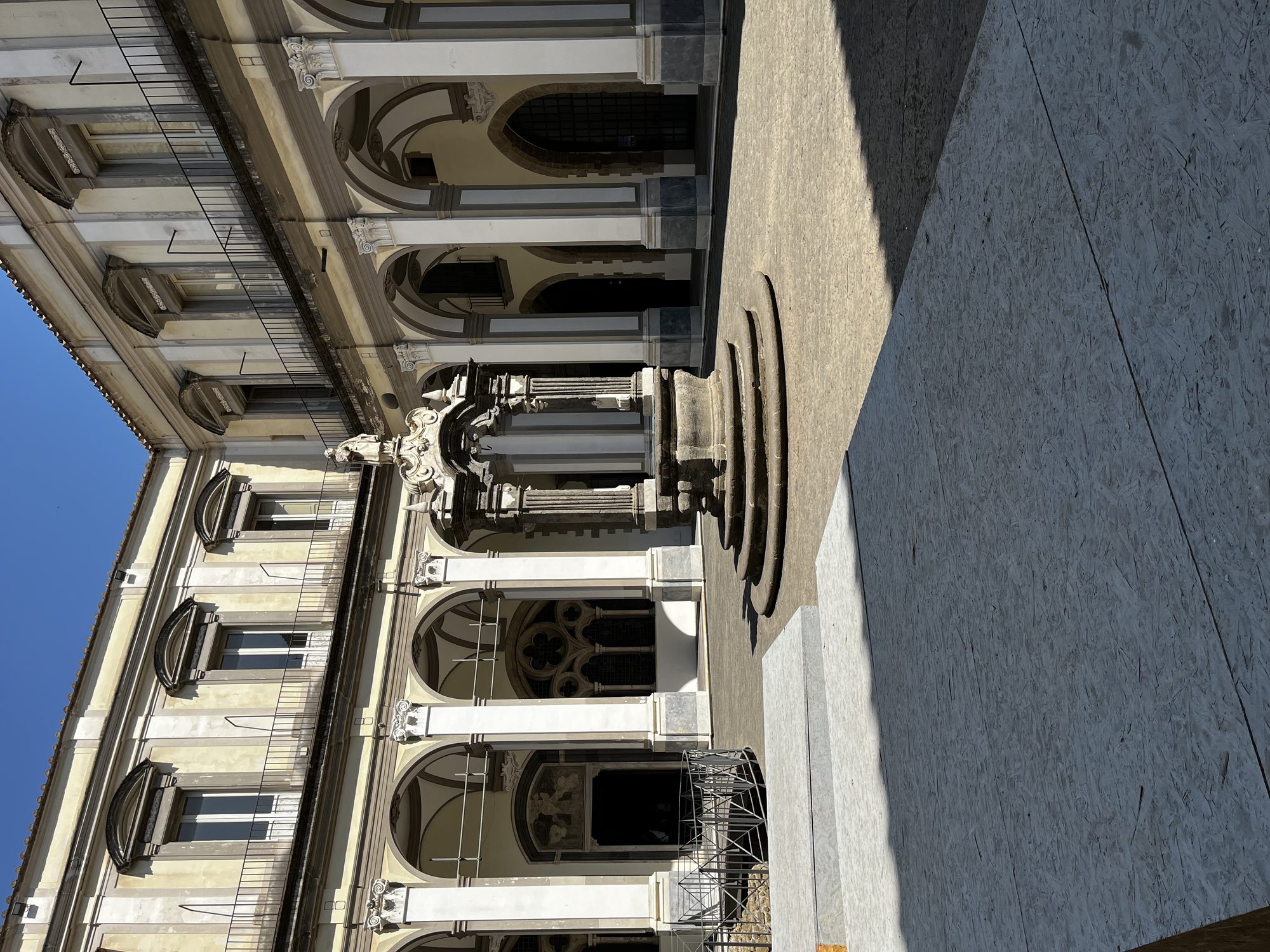
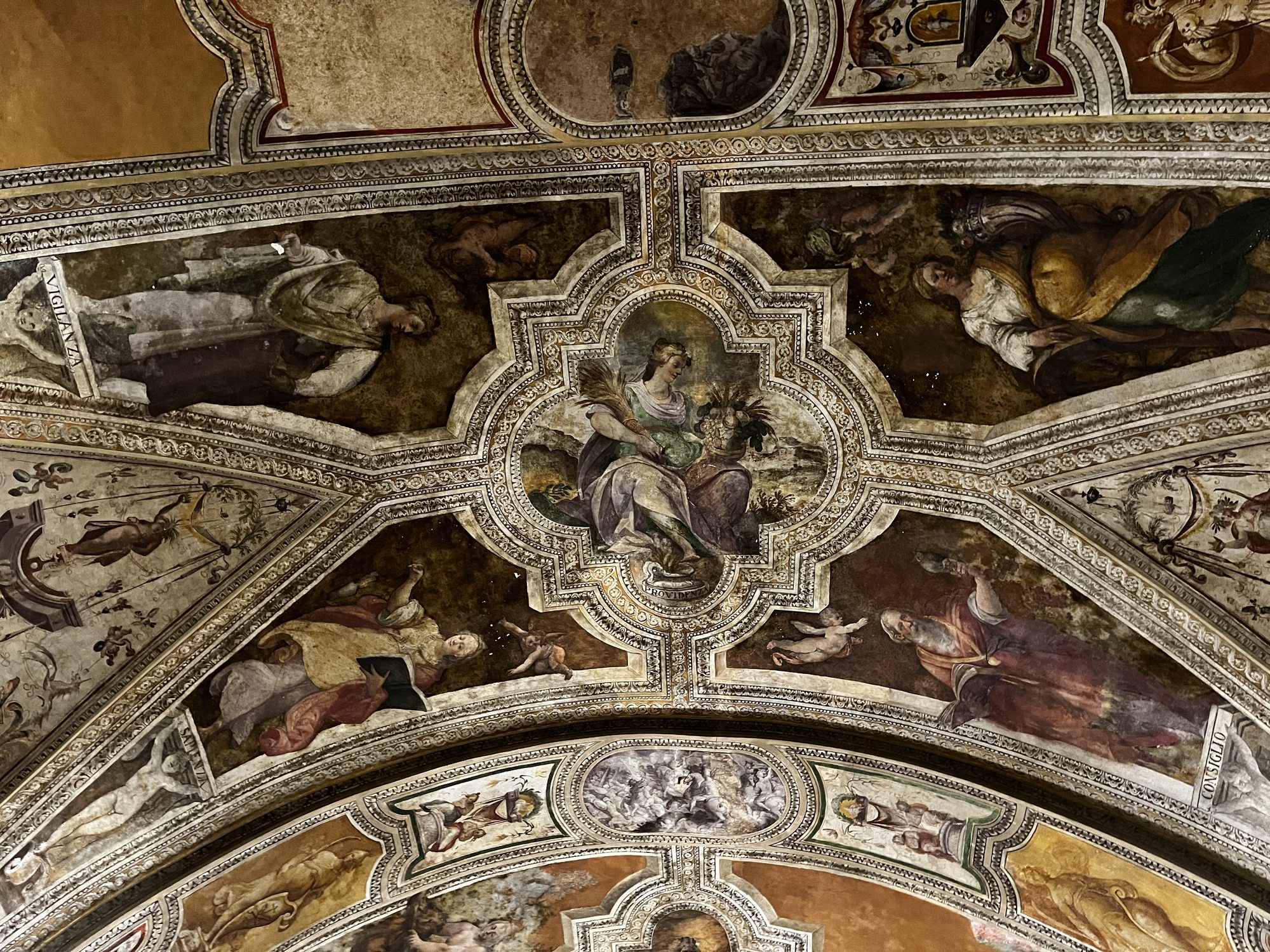
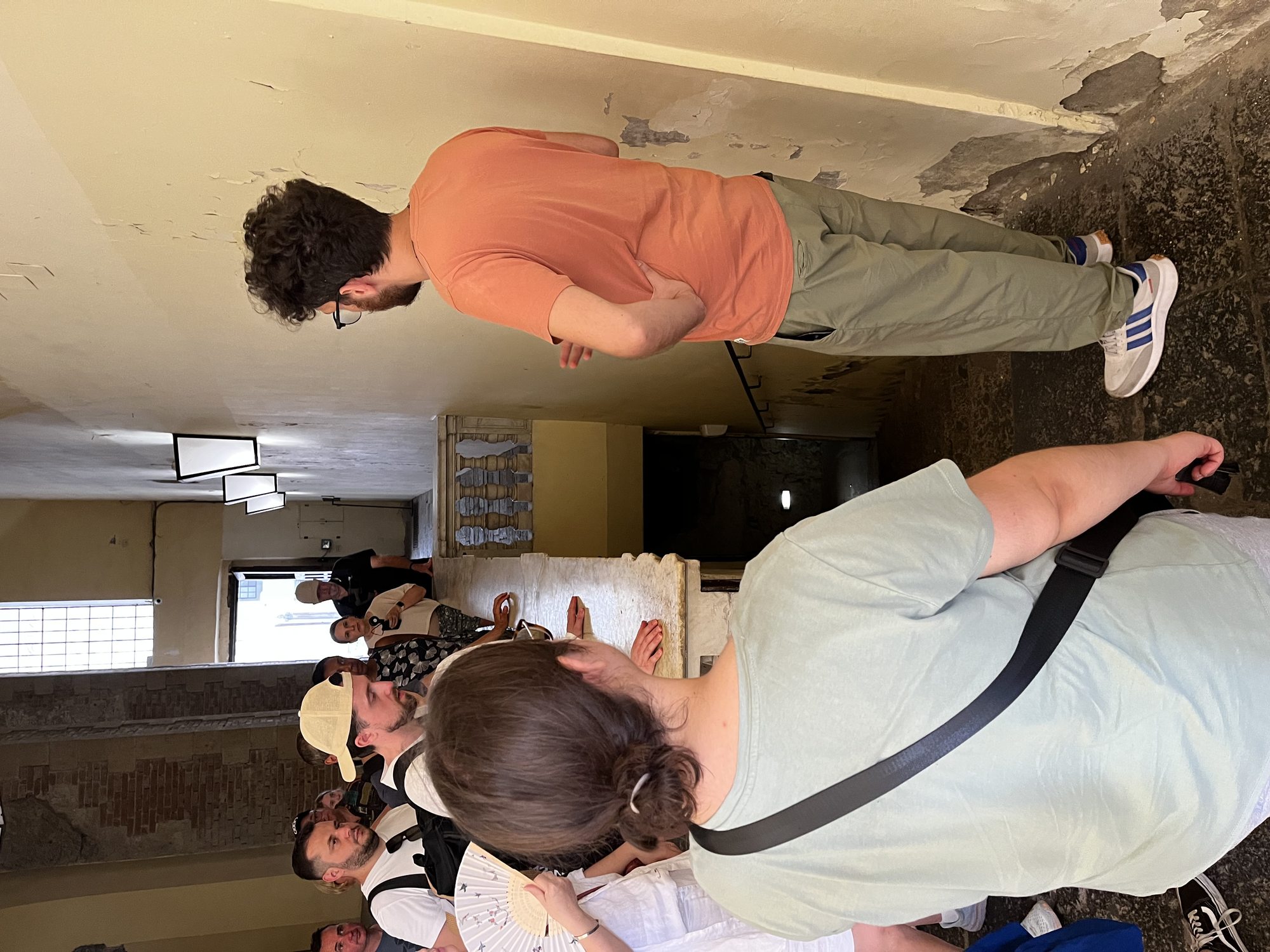
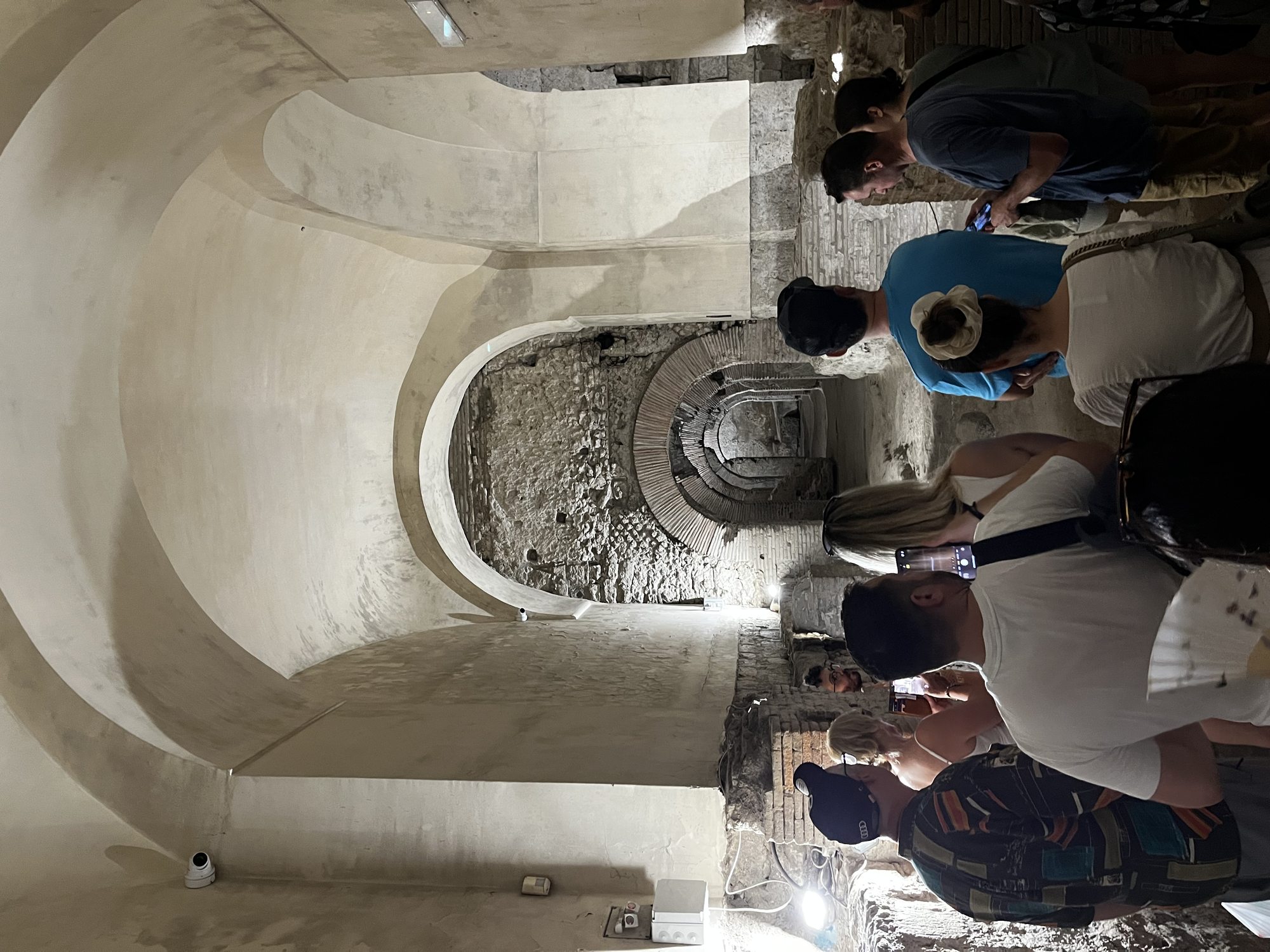
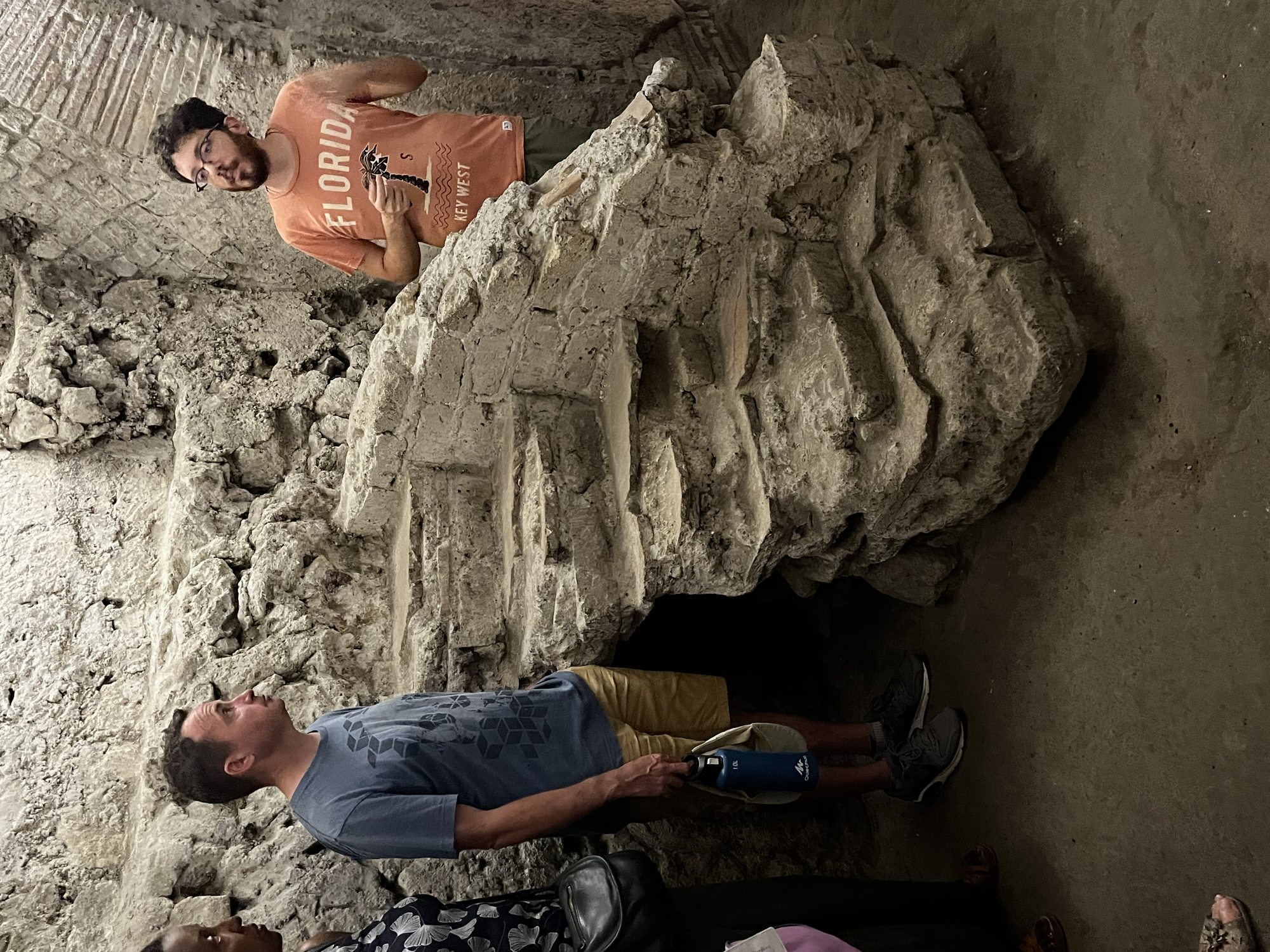
A few more frames from the same afternoon — the museum above, and the Greek-Roman city below it.
One last practical thing. Whichever city you choose, the price you pay to sleep there is set less by the hotel than by the two companies that own the booking sites. It is worth reading who actually owns online travel — and why it costs you before you book.
If you read this all the way down, there's a fair chance you've been somewhere too — and you have your own version of what just happened in this piece. I want to read it. I read every story that comes in, and I write back. The pieces that earn it go live here with your name on them, your photographs, your verdict.
This is what PONTUS
is built for.
Three nights in Naples. A morning at Pompeii. A pizza that costs €9 and ruins all other pizzas for you. This kind of trip should be normal — not a once-a-decade event you spend months recovering from financially. PONTUS exists to make this kind of travel a way of life.
Join the Community