A Quarter of a Century
in the Making
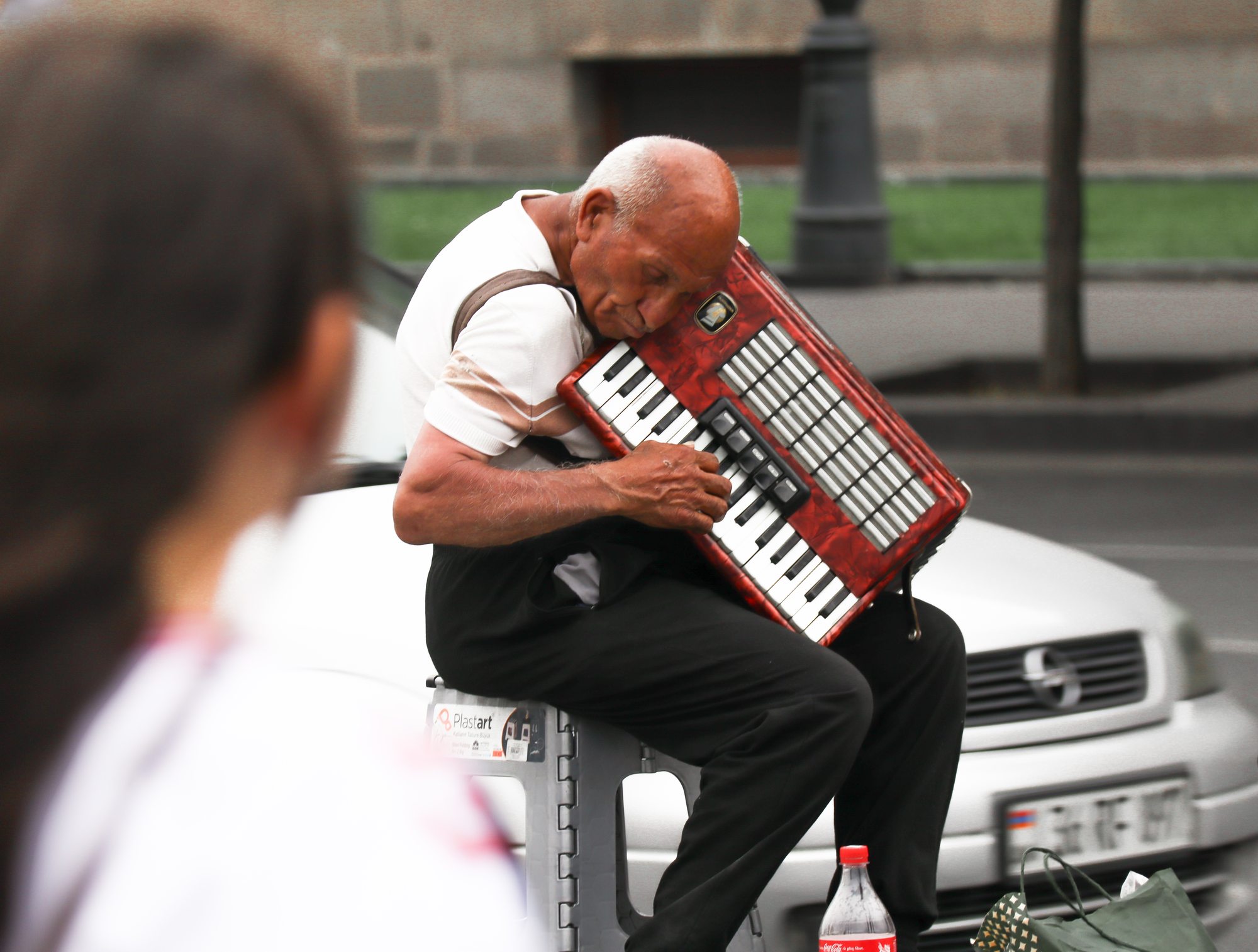
I didn't sleep my first night in Yerevan.
At 4 AM, while the rest of my family was still passed out from a 20-hour journey, my mother and I stepped out into a city that didn't feel real yet. The streets were empty. No traffic. No voices. Just the quiet hum of a place I had heard about my entire life, finally existing in front of me.
A stray dog started following us almost immediately.
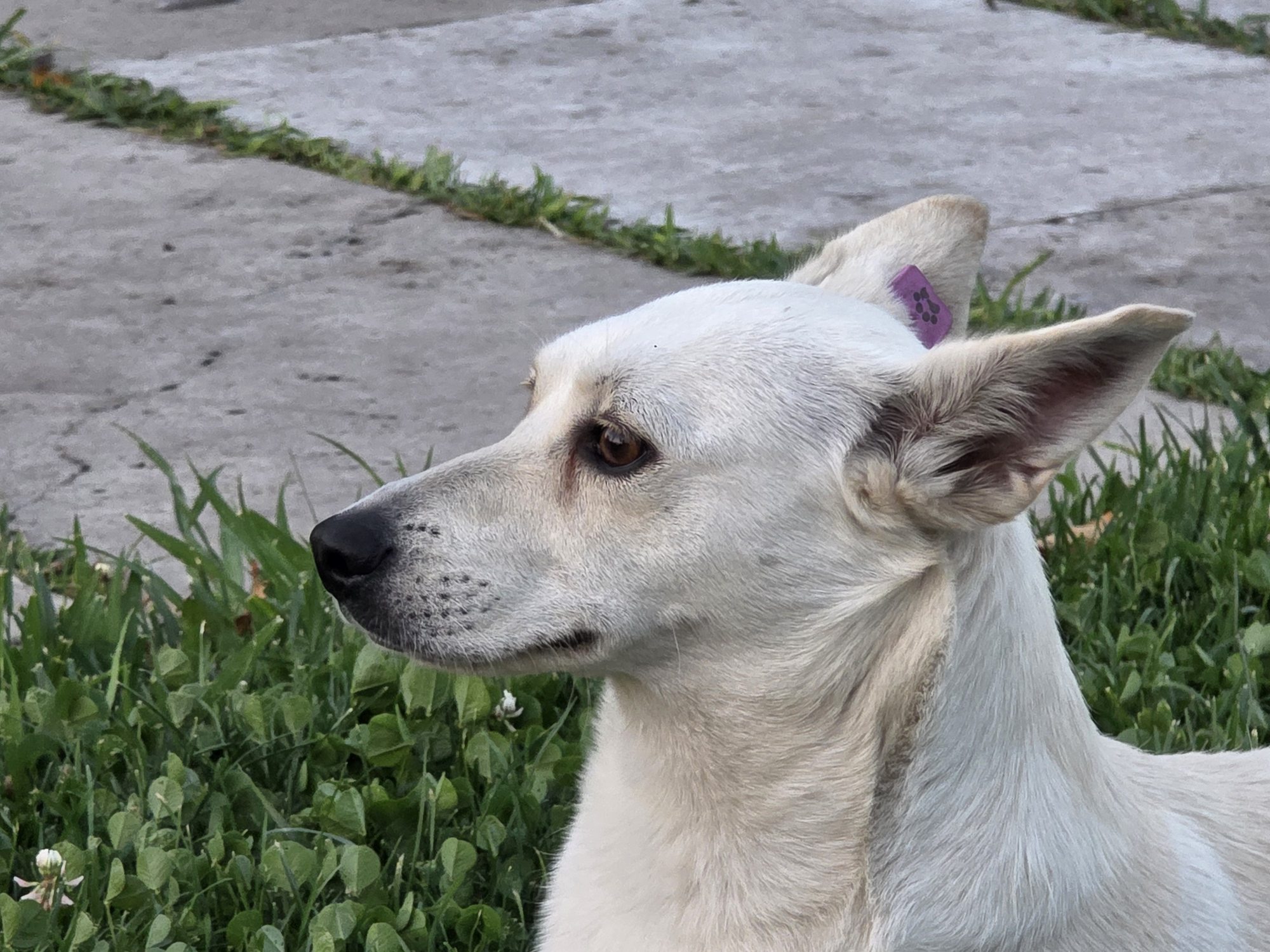
It didn't bark. It didn't come too close. It just… walked with us. Like it had somewhere to be, and we happened to be going the same way.
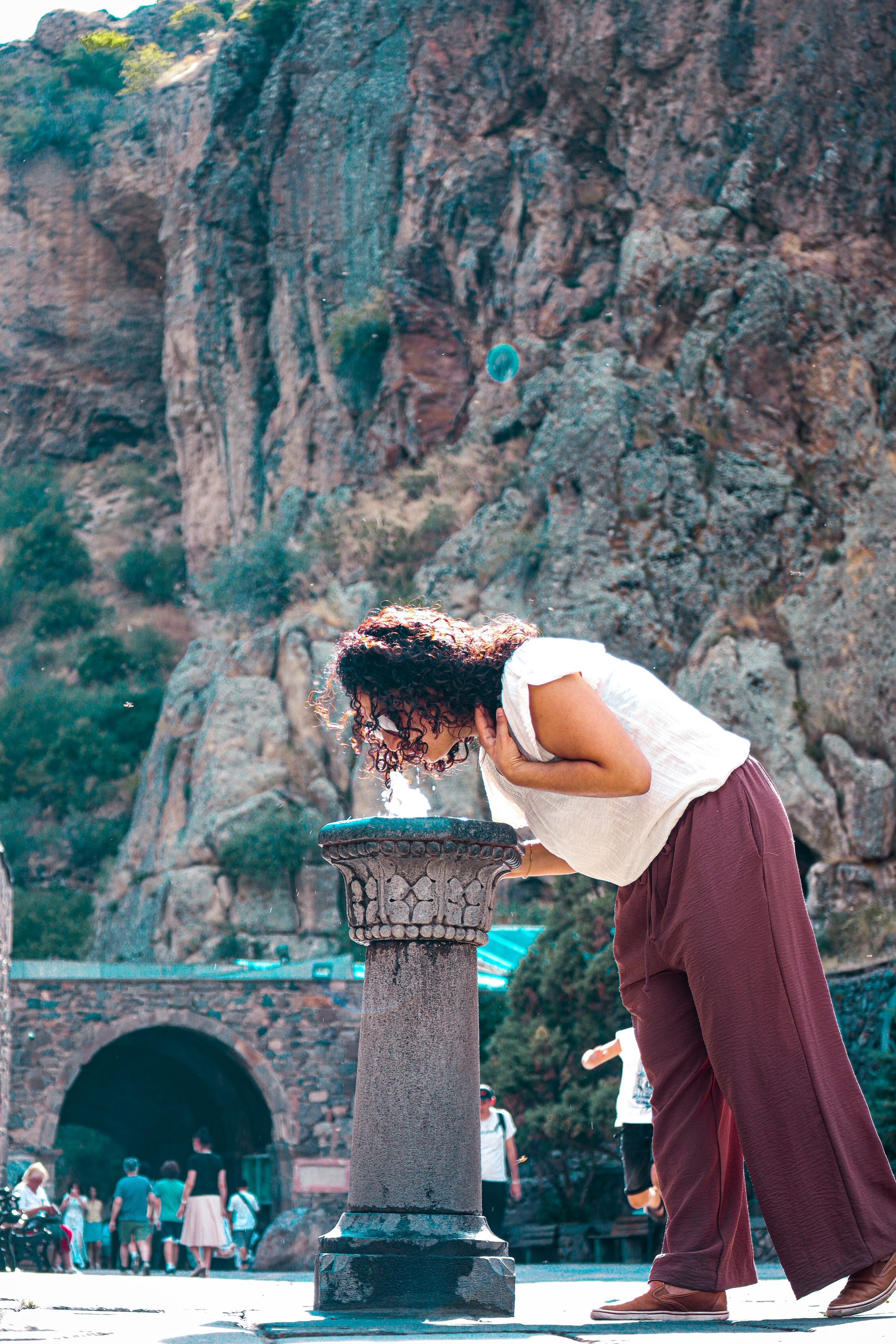
The sky was beginning to lighten. The stone buildings slowly revealed themselves. Water ran endlessly from small public fountains — pulpulaks, I would learn — cold, clean, constant.
For an hour, it felt like the city had been opened just for us. No noise. No crowds. Just my mother, that dog, and the quiet realization: I'm actually here.
The Color
of the City
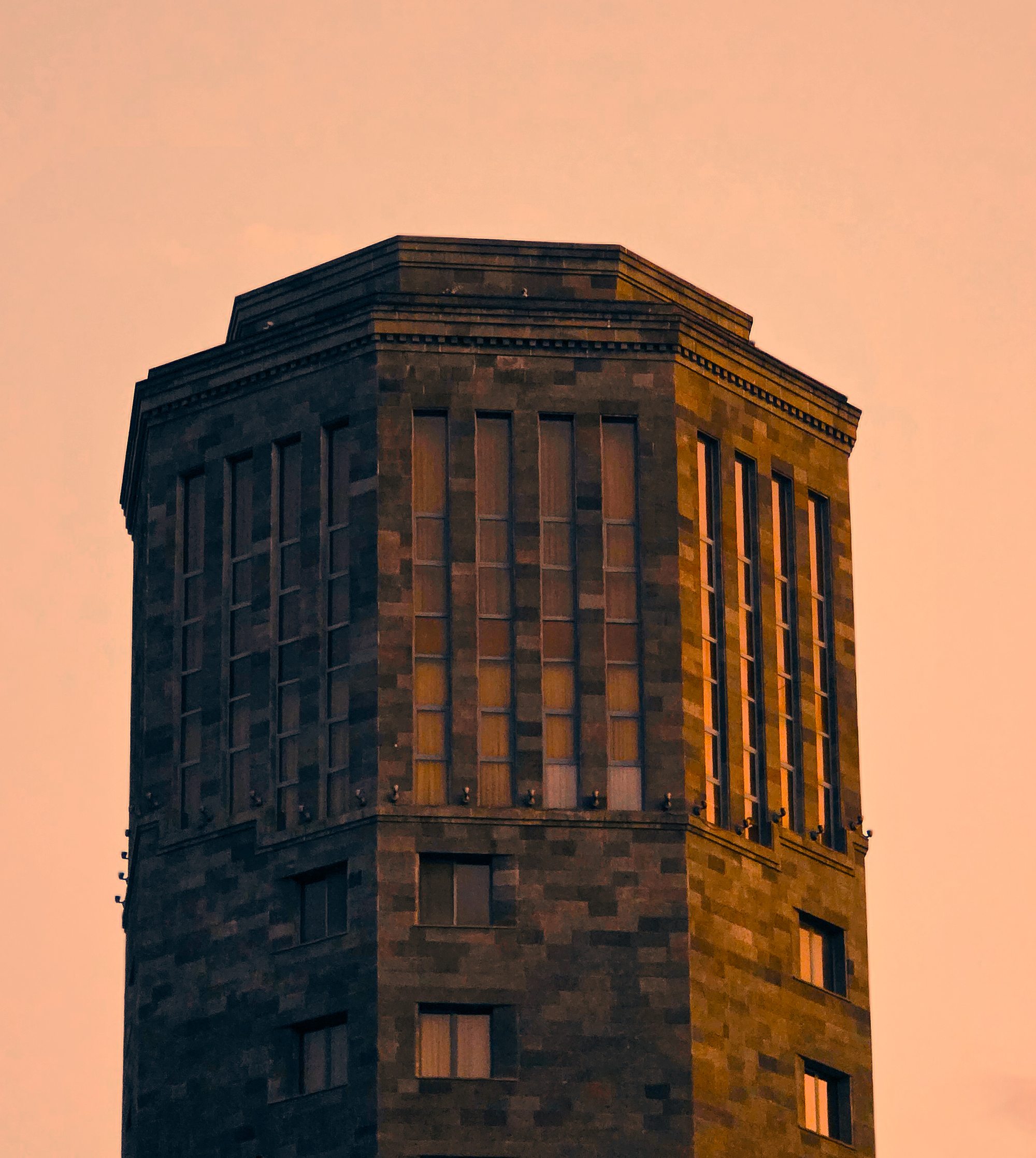
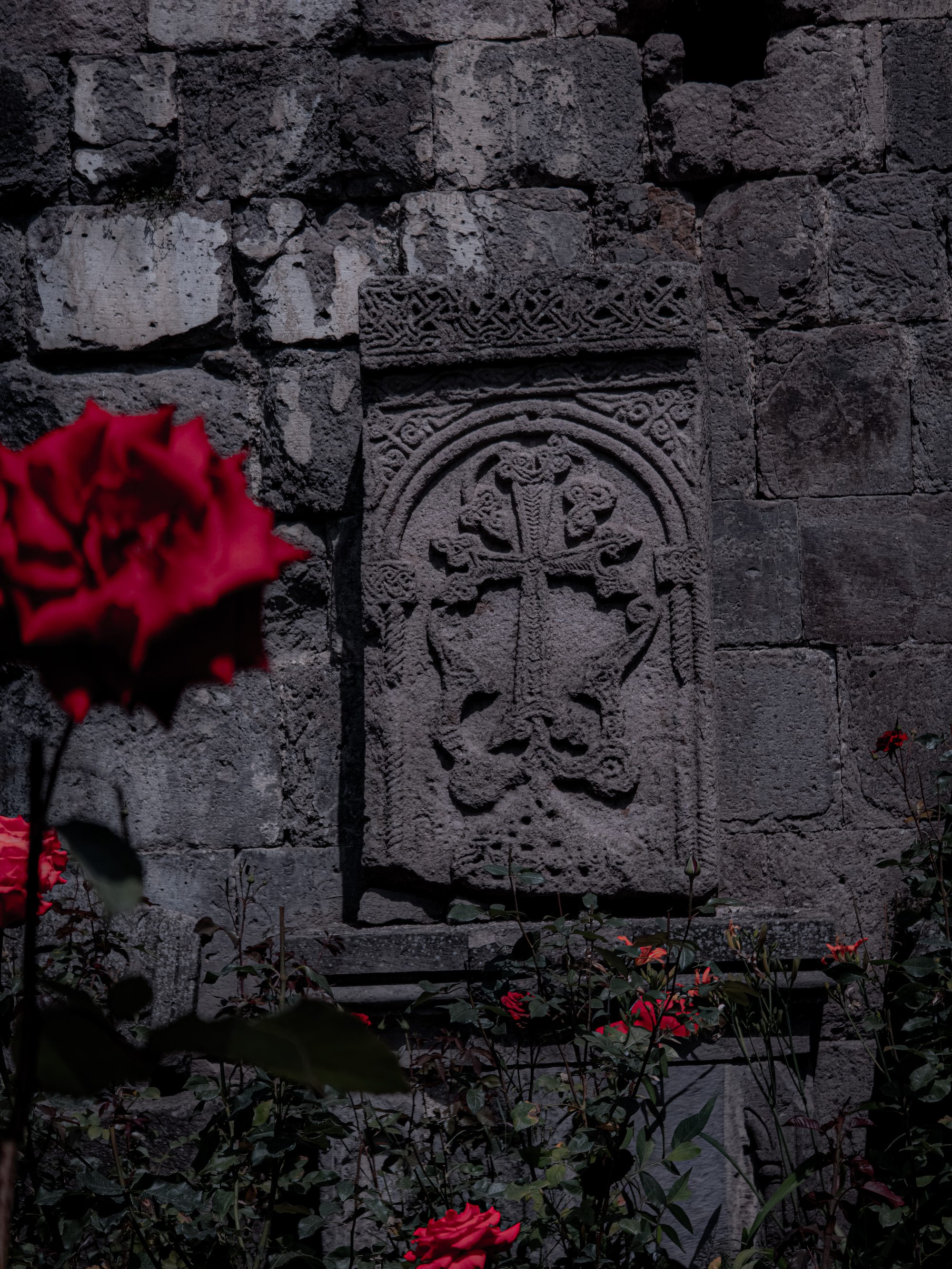
Yerevan isn't grey. It isn't glass and steel. It's built from tuff — volcanic stone that gives everything this warm, almost pink tone, especially when the light hits it at the right time of day.
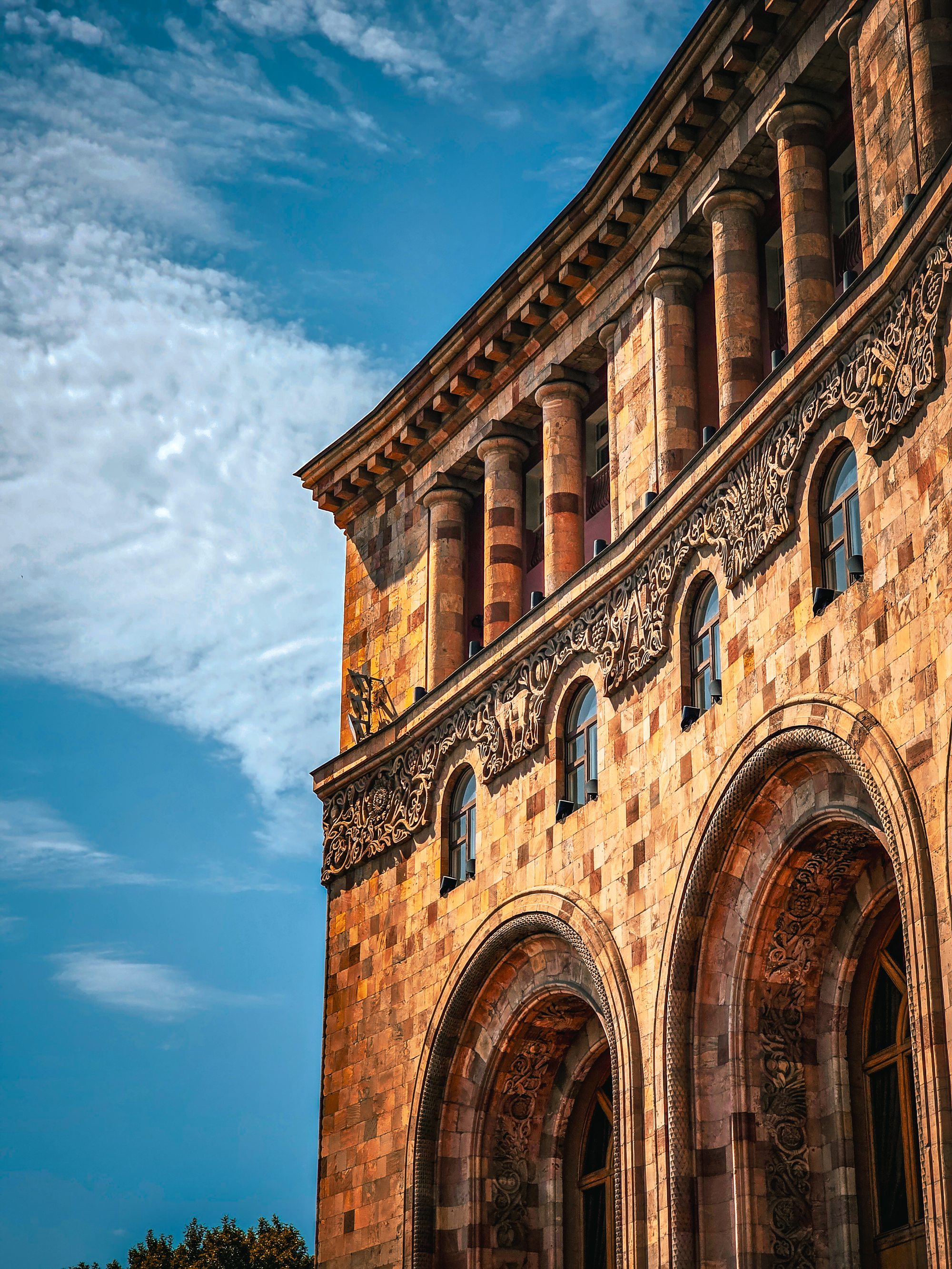
At first, it just looks beautiful. Different. But after a while, you start to notice something else. The texture of it. The weight. The way it's been used for centuries and still stands. Buildings that have been worn down, rebuilt, reshaped — but never erased.
It's not perfect stone. It's porous. It carries marks. It changes with time. And somehow, that feels fitting.
The Moment
You See Ararat
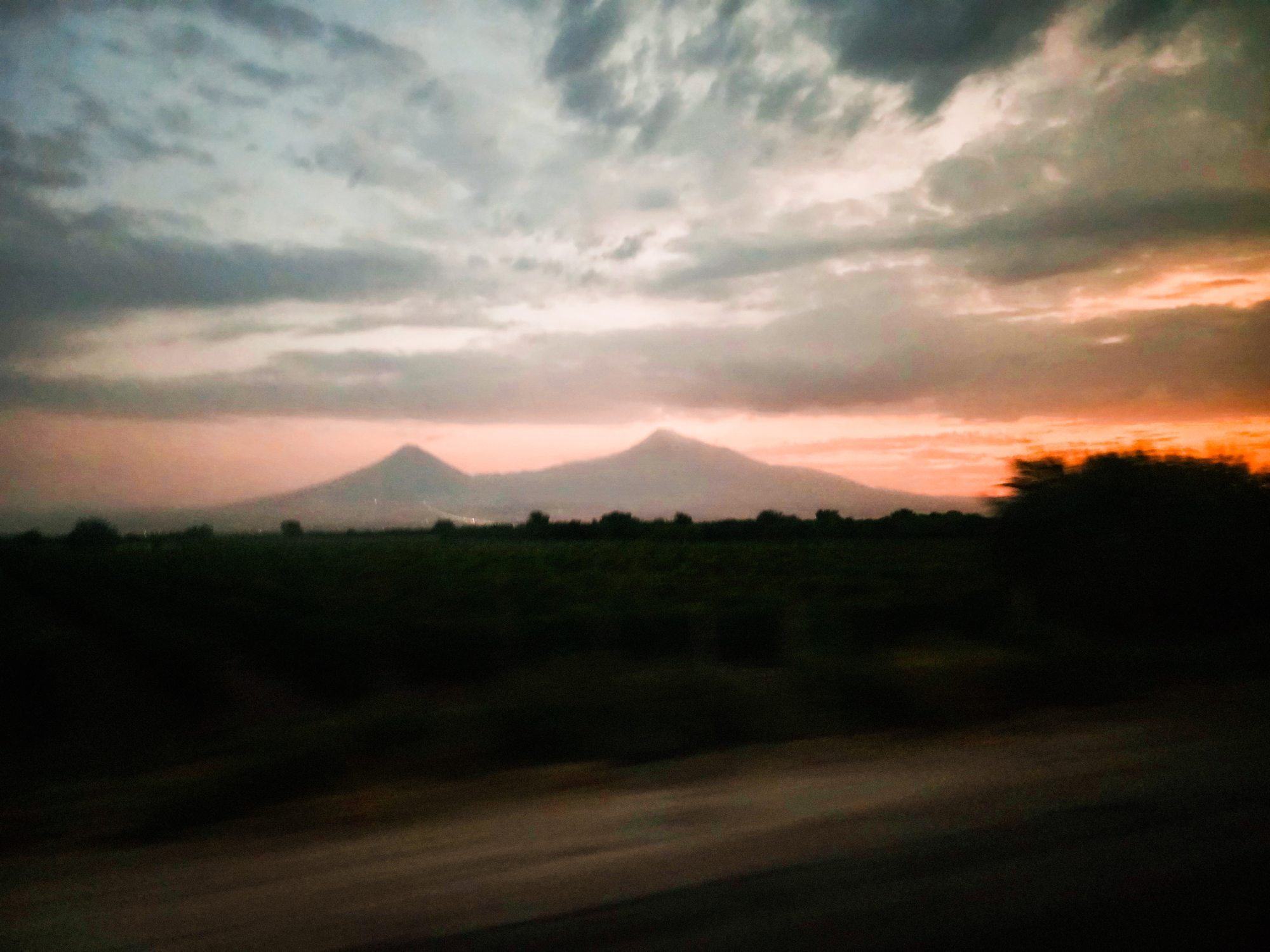
Our first trip outside the city took us to Khor Virap Monastery. I knew what was waiting there before we even arrived. I had seen it in photos my whole life — on calendars, in relatives' homes, in the background of stories that always seemed larger than life.
Mount Ararat.
But none of that prepares you for the moment it actually appears.
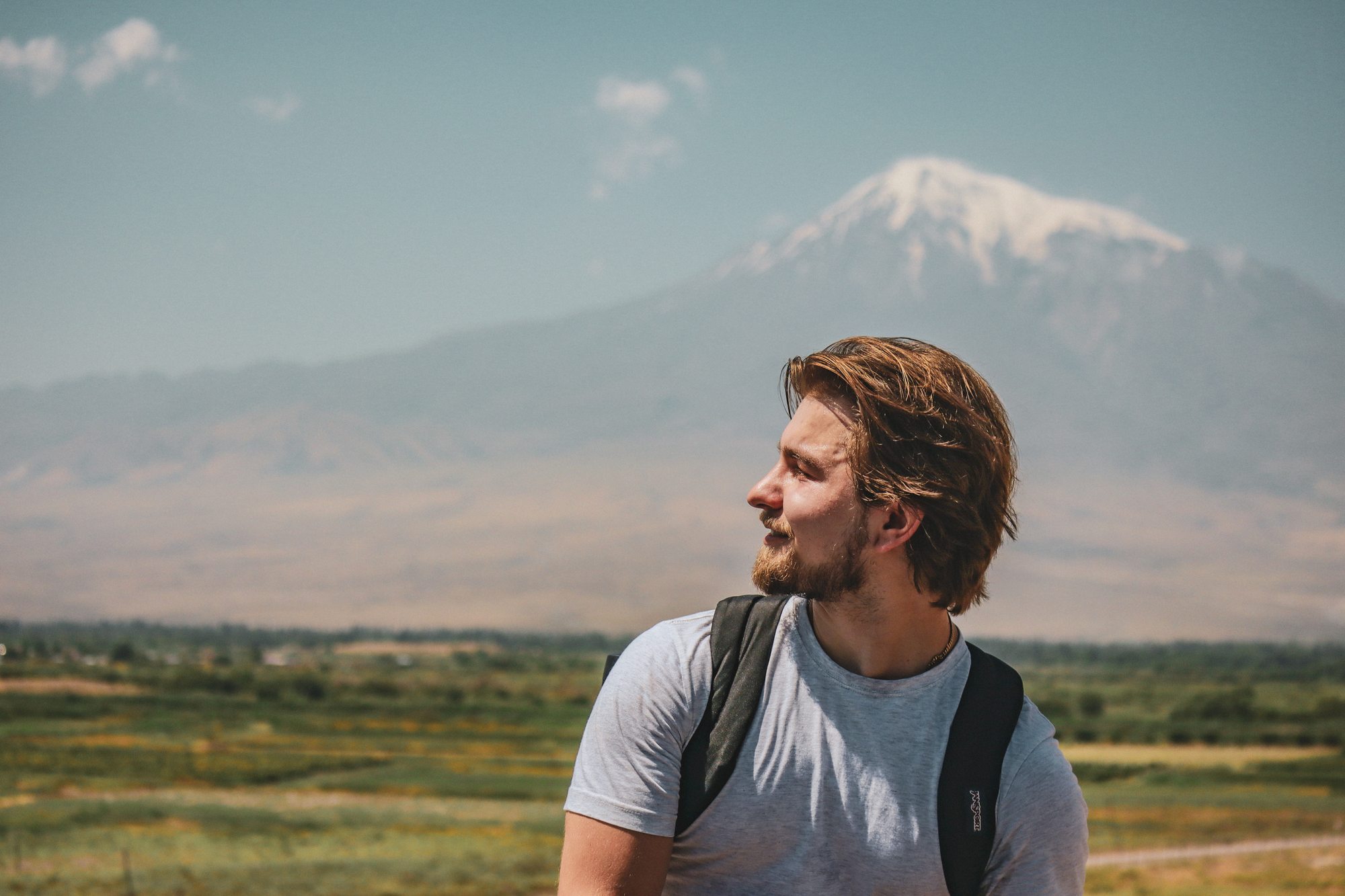
"You don't approach Ararat — it reveals itself. Massive. Silent. Almost unreal in how perfectly it sits against the sky."
For a second, it didn't even register as something physical. It looked like an image placed there on purpose. Like it belonged more to memory than to the world in front of me. And yet, there it was.
Standing at Khor Virap, I wasn't just looking at a mountain. I was standing at the site where St. Gregory the Illuminator was imprisoned for 13 years — before converting King Trdat III and marking Armenia as the first Christian nation in 301 AD.
That's the thing about Armenia. History doesn't feel distant. It collapses in on itself. You're not learning about it — you're standing inside it.
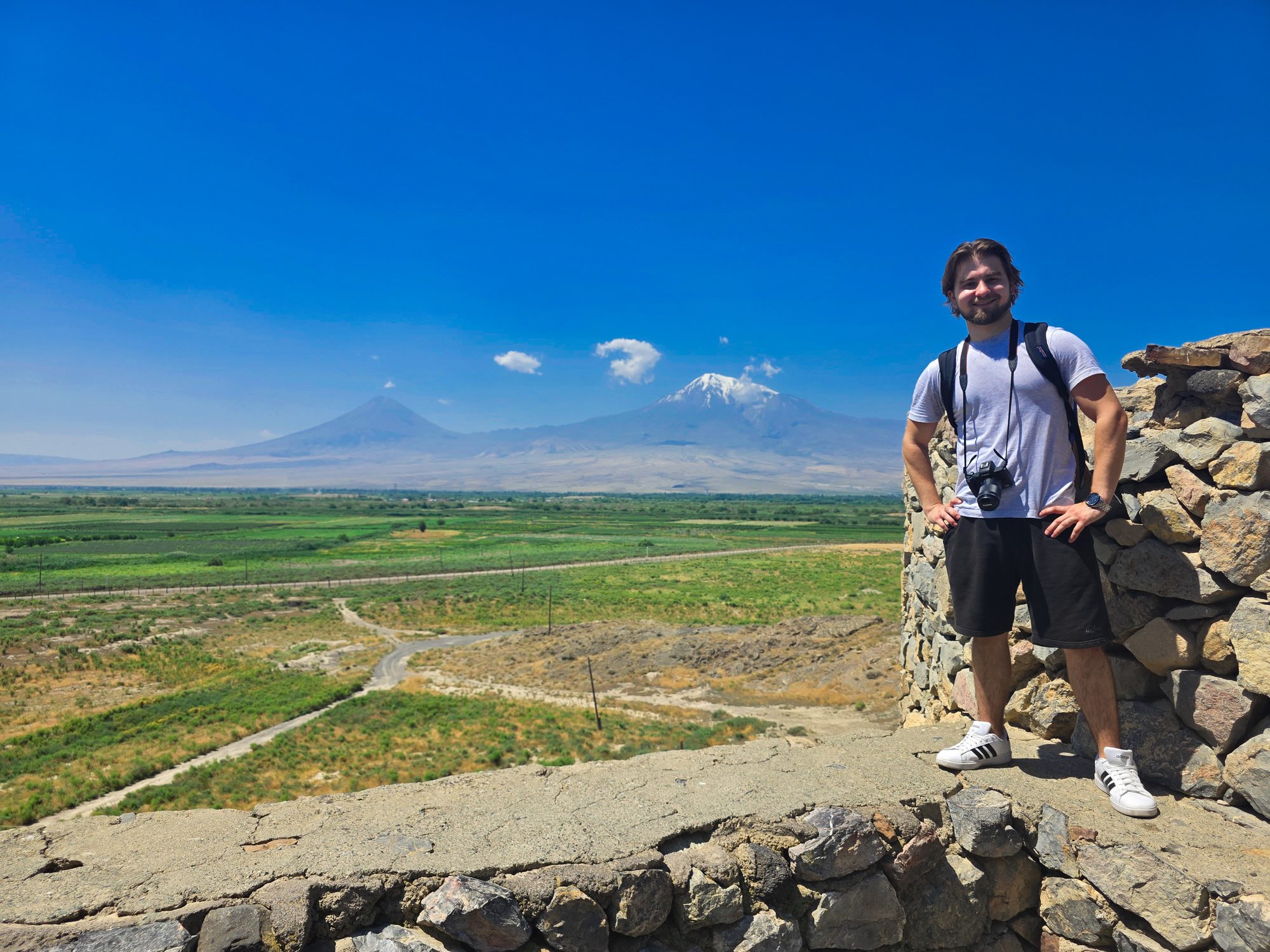
I had heard about Ararat my entire life. It was symbolic. Biblical. Ours. But seeing it from that distance — so close, yet across a border you cannot cross — gave it a different weight. It wasn't just a landmark. It felt like something just out of reach. Familiar, but not fully ours to touch.
Later, I got a tattoo on my forearm — Ararat, and the date I first set foot in Armenia. Not as a souvenir, but as proof. Proof that this place I had carried my whole life as an idea… finally existed in my reality.
Stepping Into
History
For a country as layered as Armenia, having a guide changed everything. At every stop, our guide didn't just recite dates — he gave context. Stories. Enough to understand what we were looking at, without rushing us through it.
And that was the difference. We weren't being shuffled from one landmark to the next. We had time. Time to walk, to touch the stone, to stand in places that have been rebuilt, preserved, and lived in for centuries.
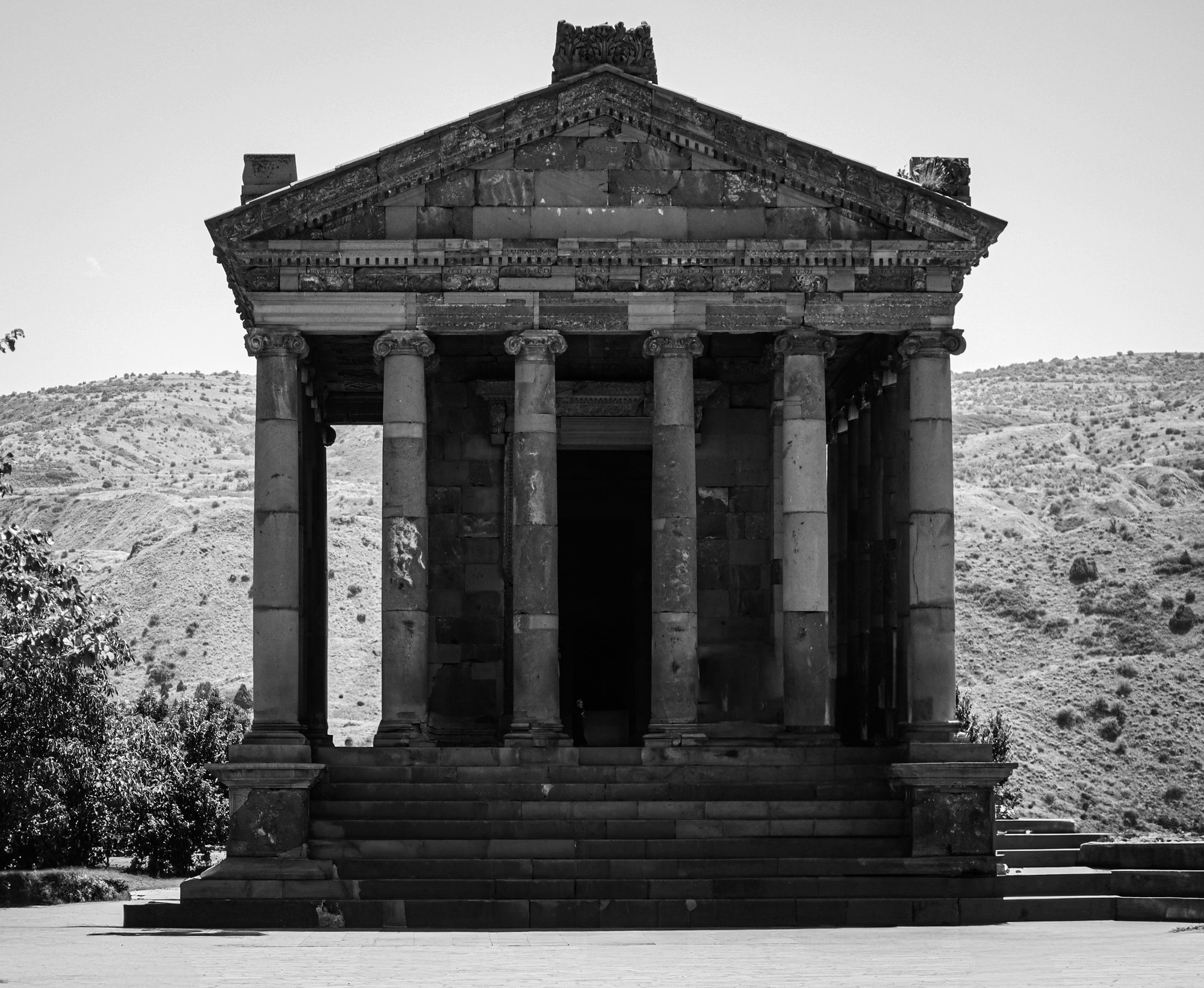
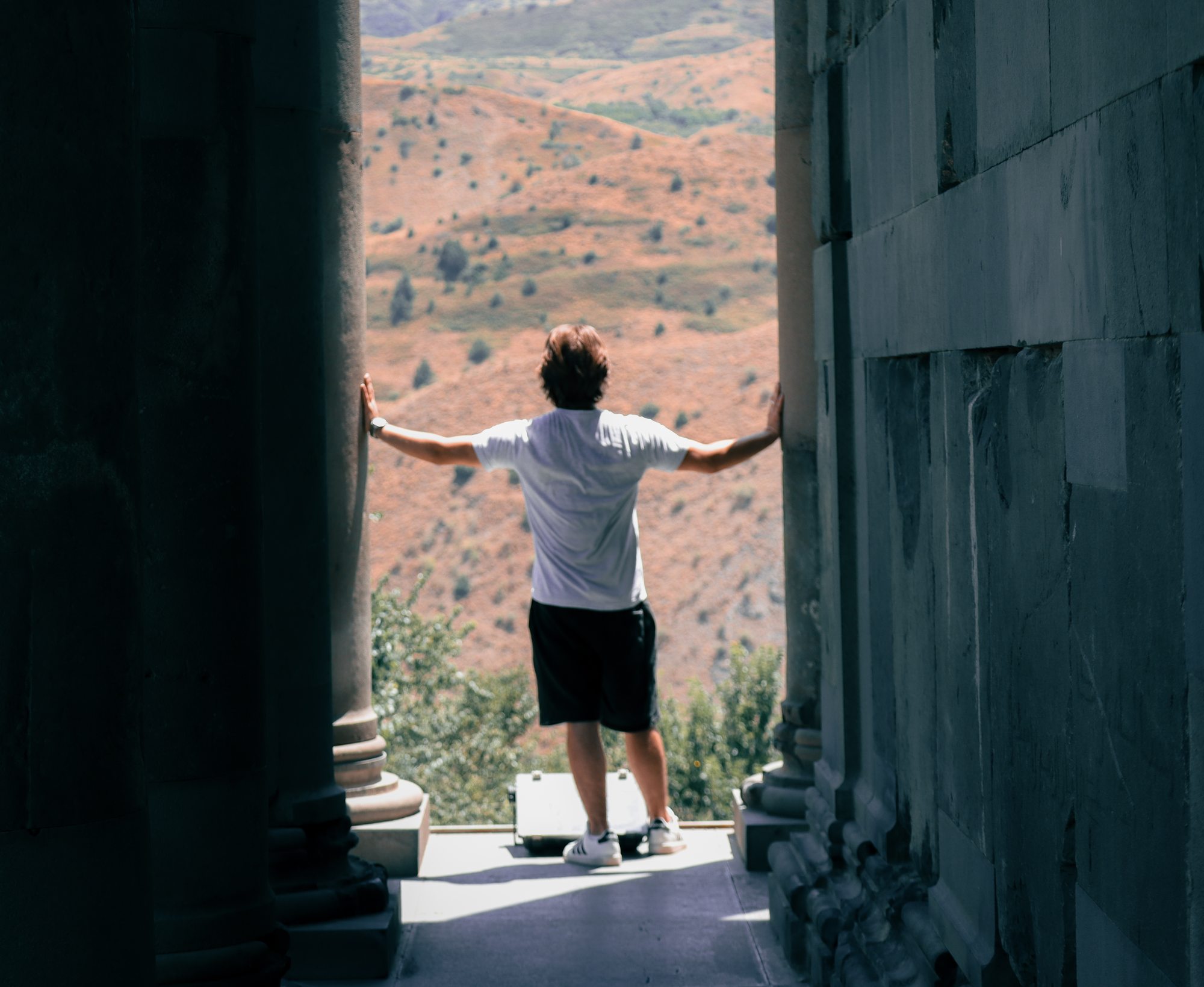
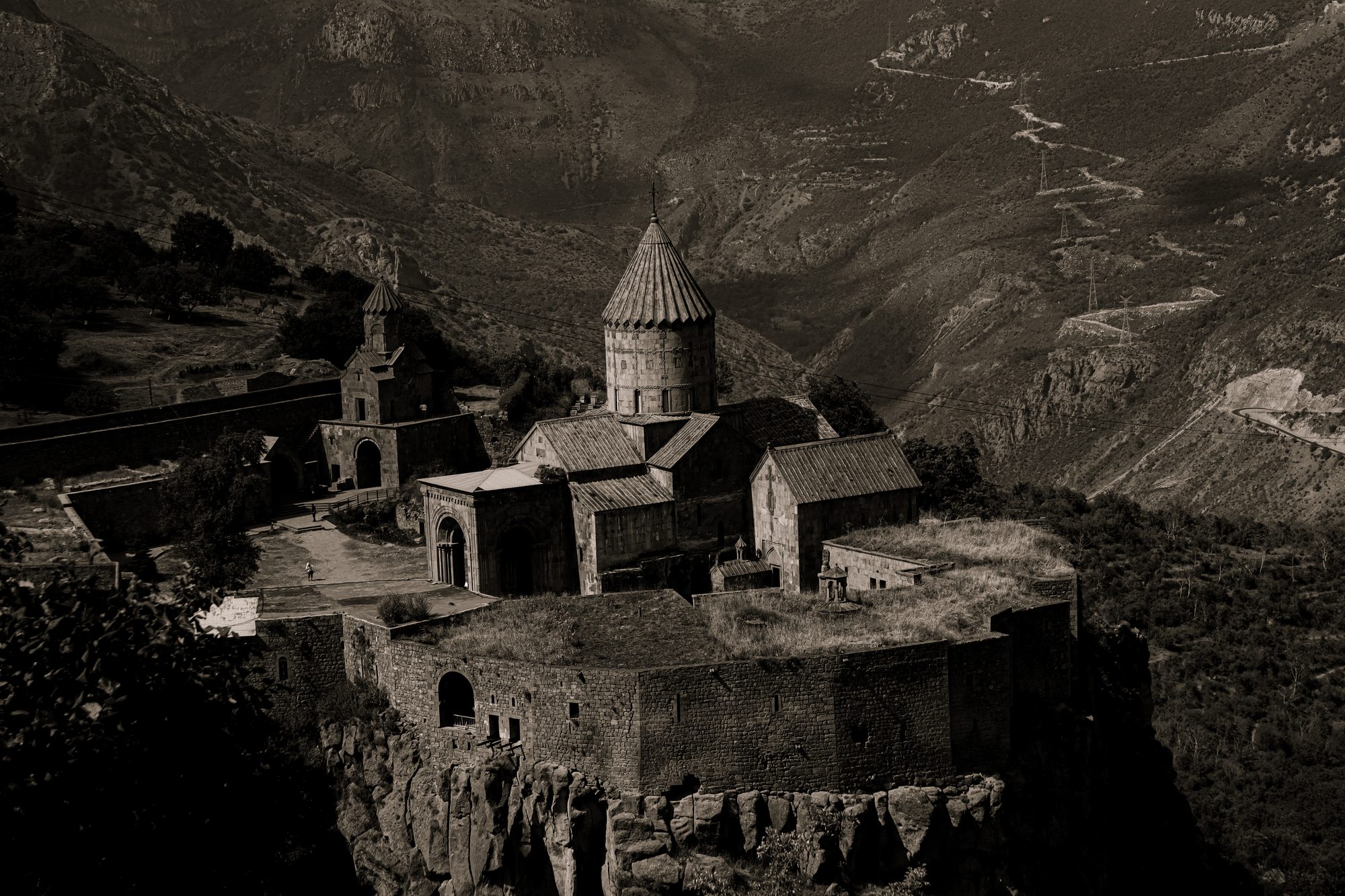
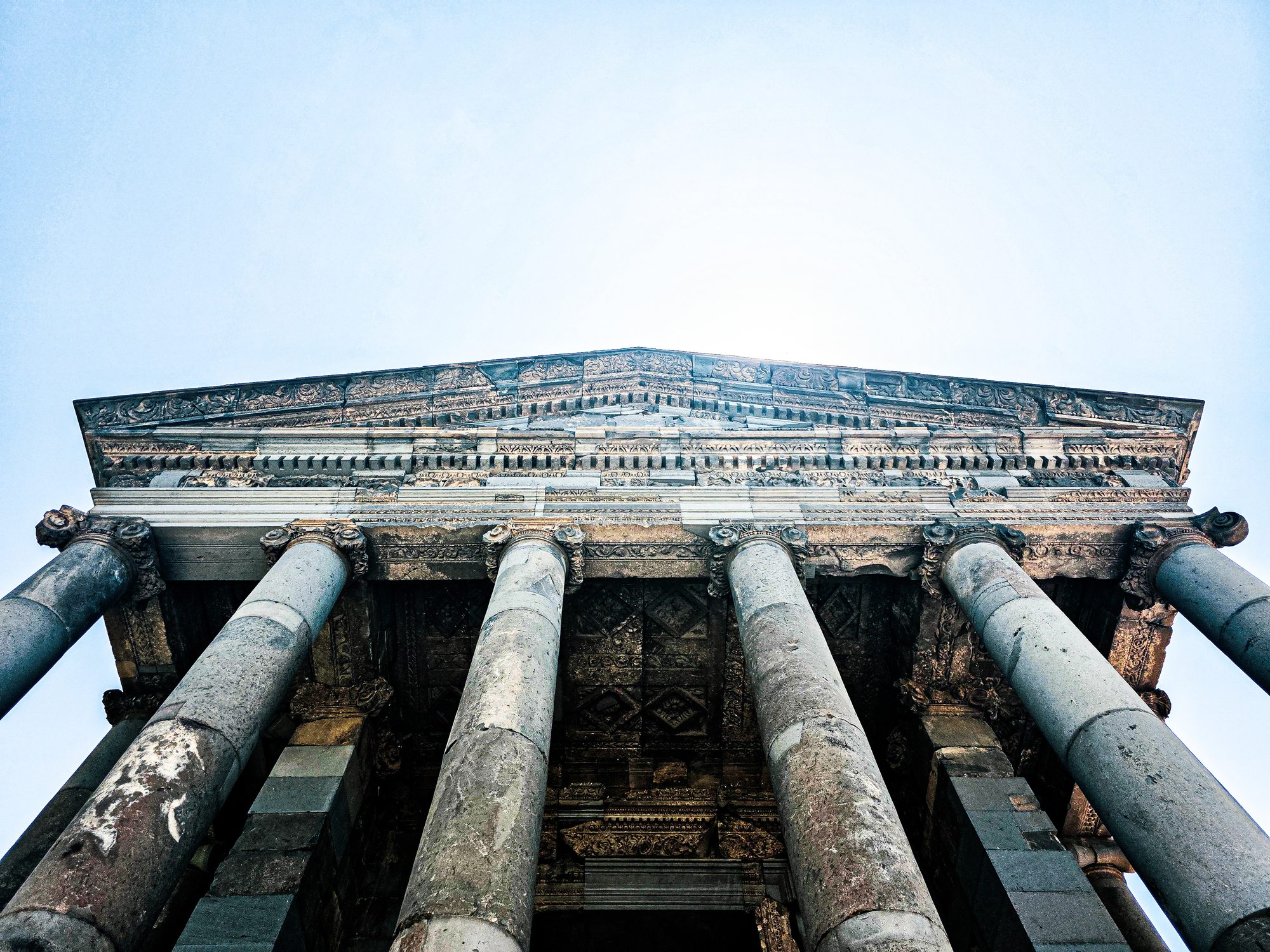
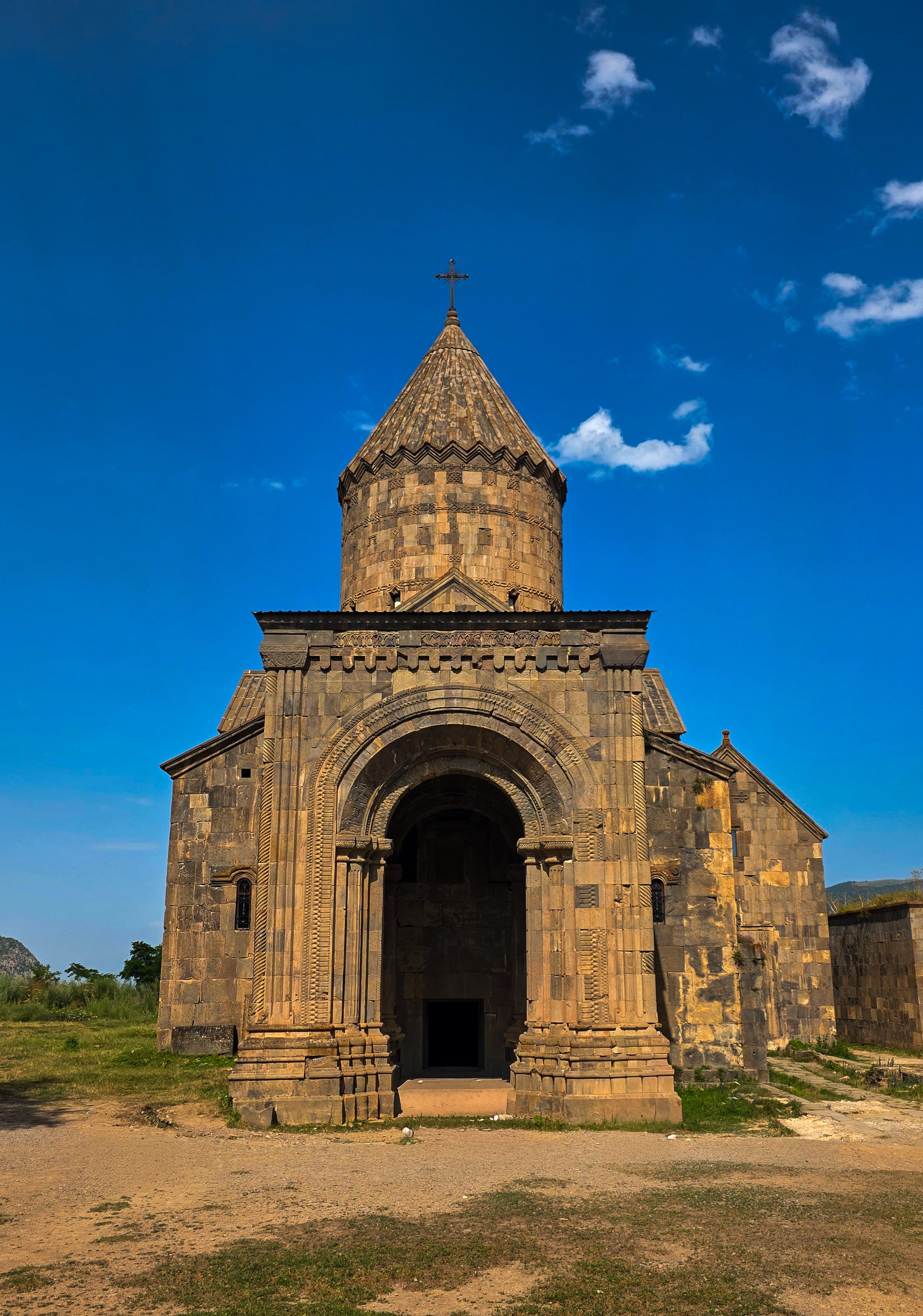
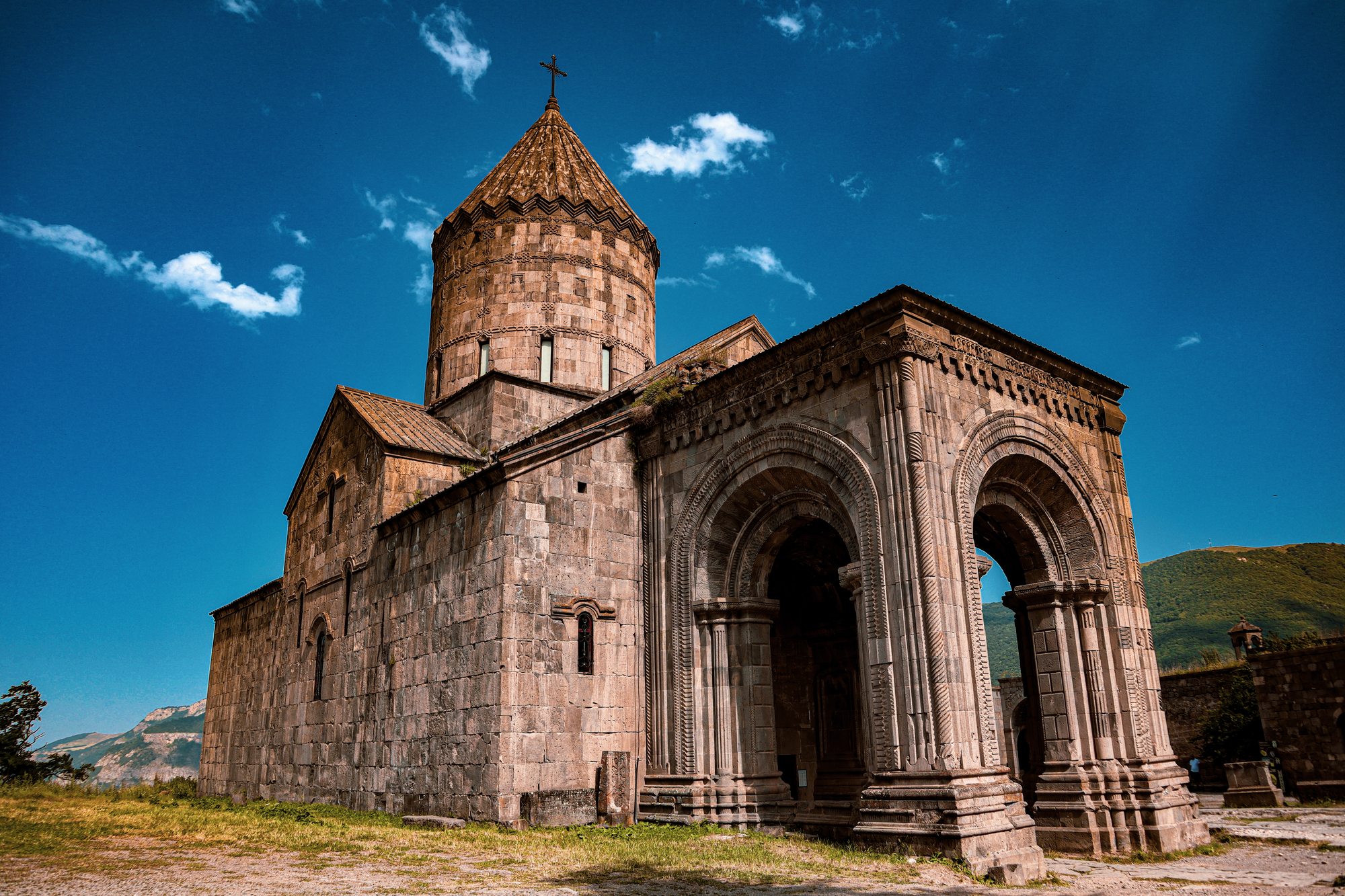
I felt it at Garni Temple — standing among columns that have been there since before Armenia became Christian, still intact, still part of the landscape. And again at Tatev Monastery, perched on the edge of a canyon, so old it almost doesn't make sense that it's still there — yet completely real when you're walking through it.
In most places, history is something you observe from a distance. In Armenia, you're allowed to step into it.
Two Weeks Across
a Country
We didn't stay in one place for long. Over two weeks, our days split naturally — some spent wandering Yerevan, others chasing history across the country.
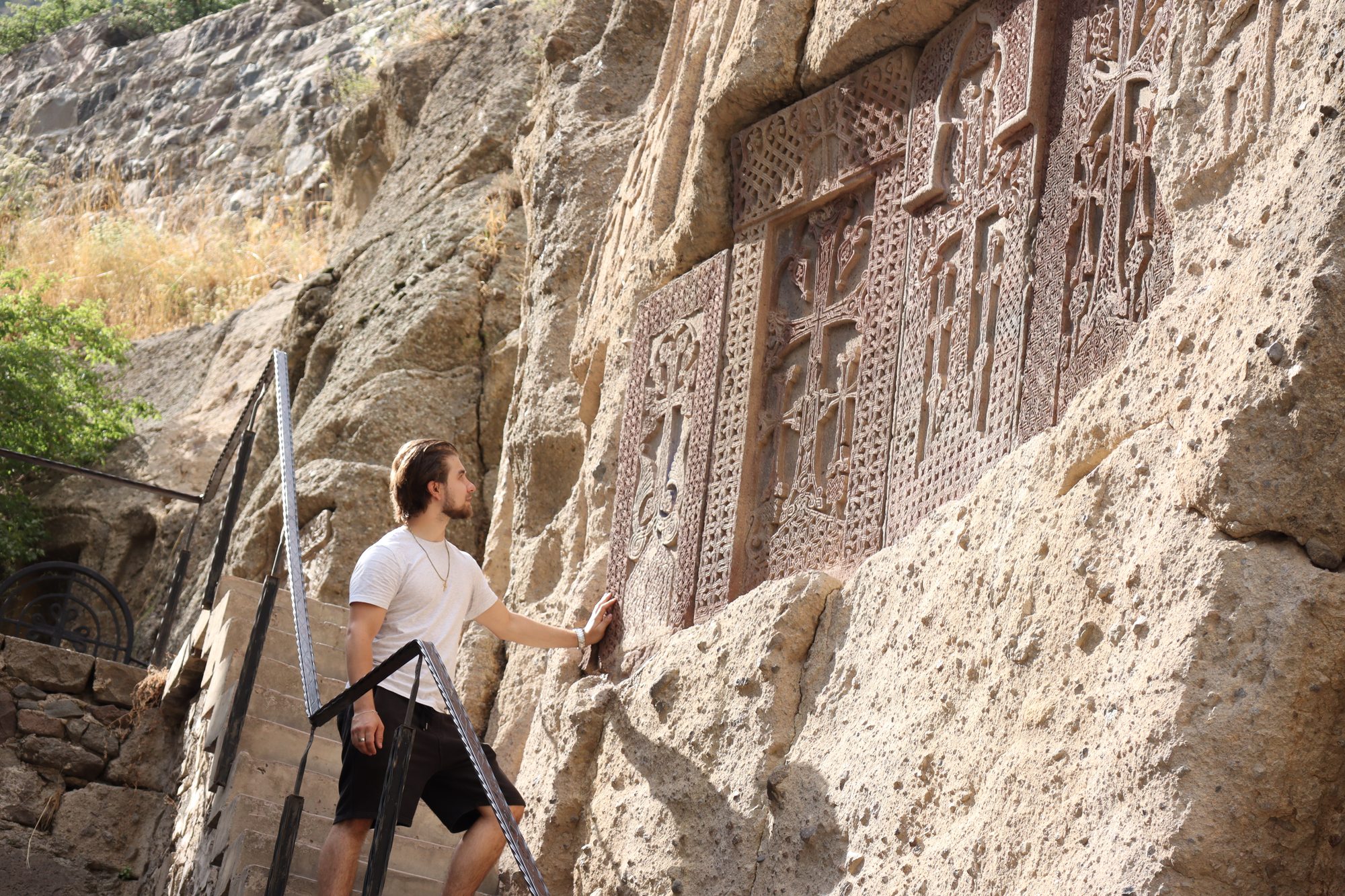
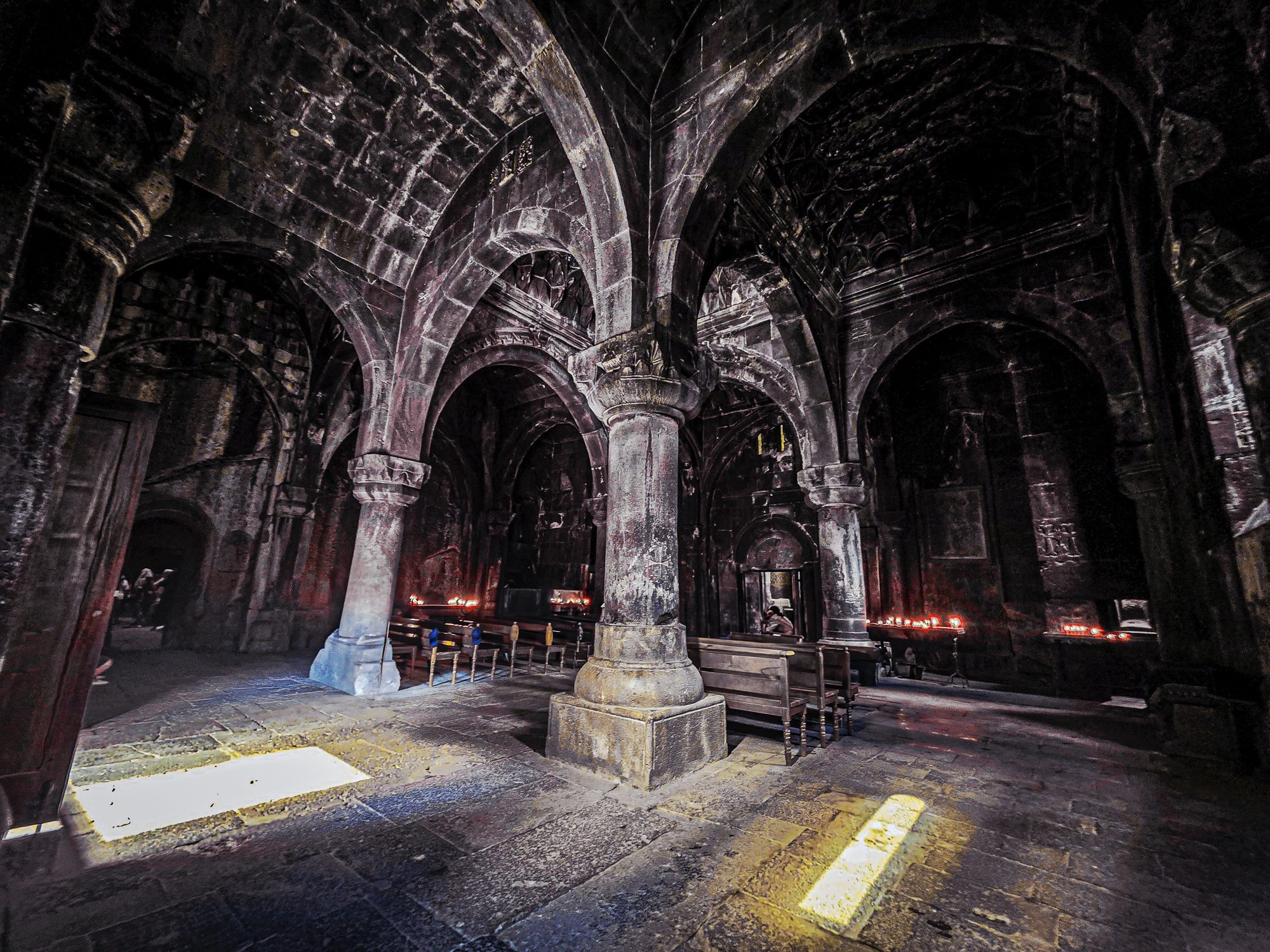
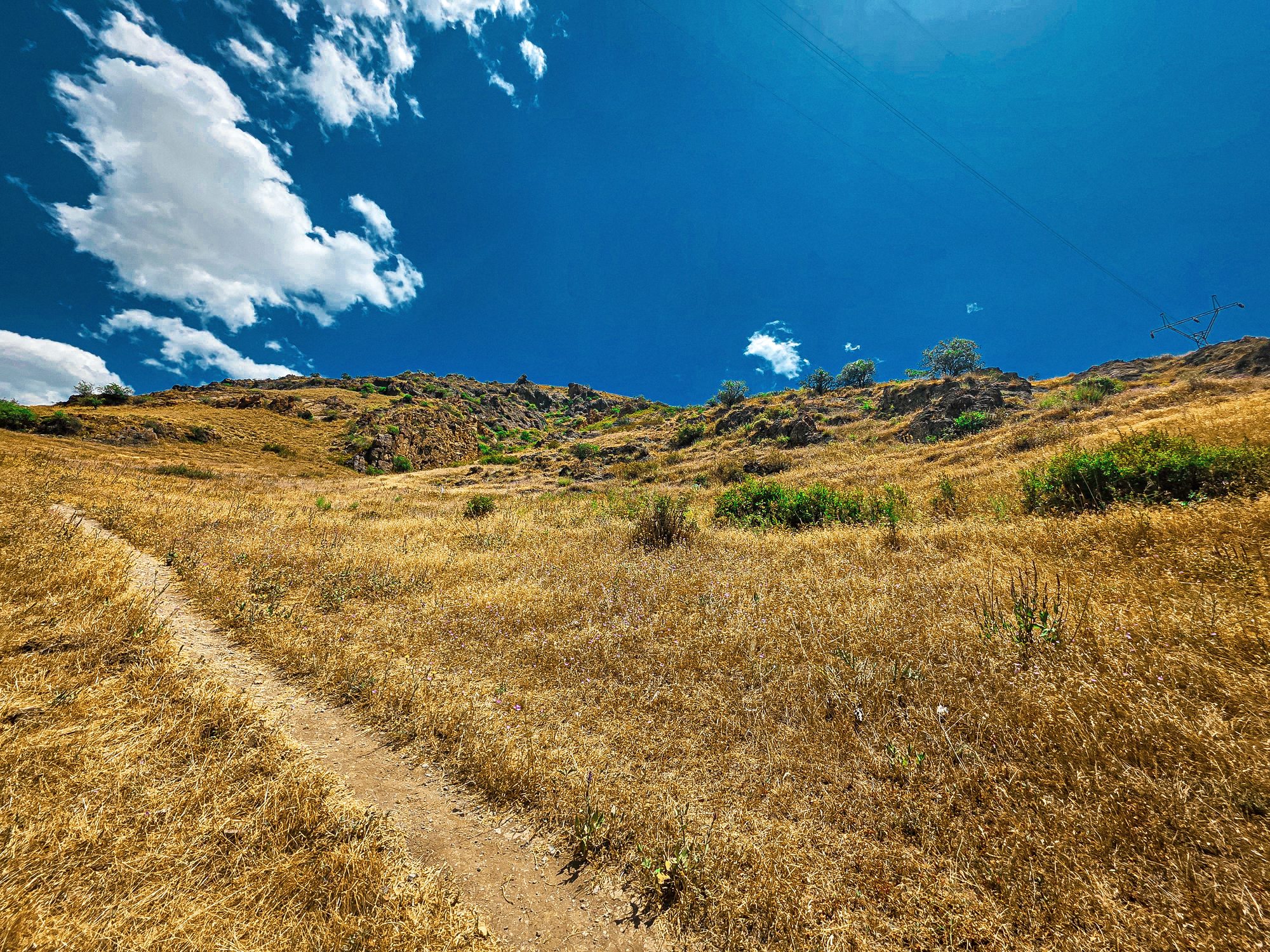
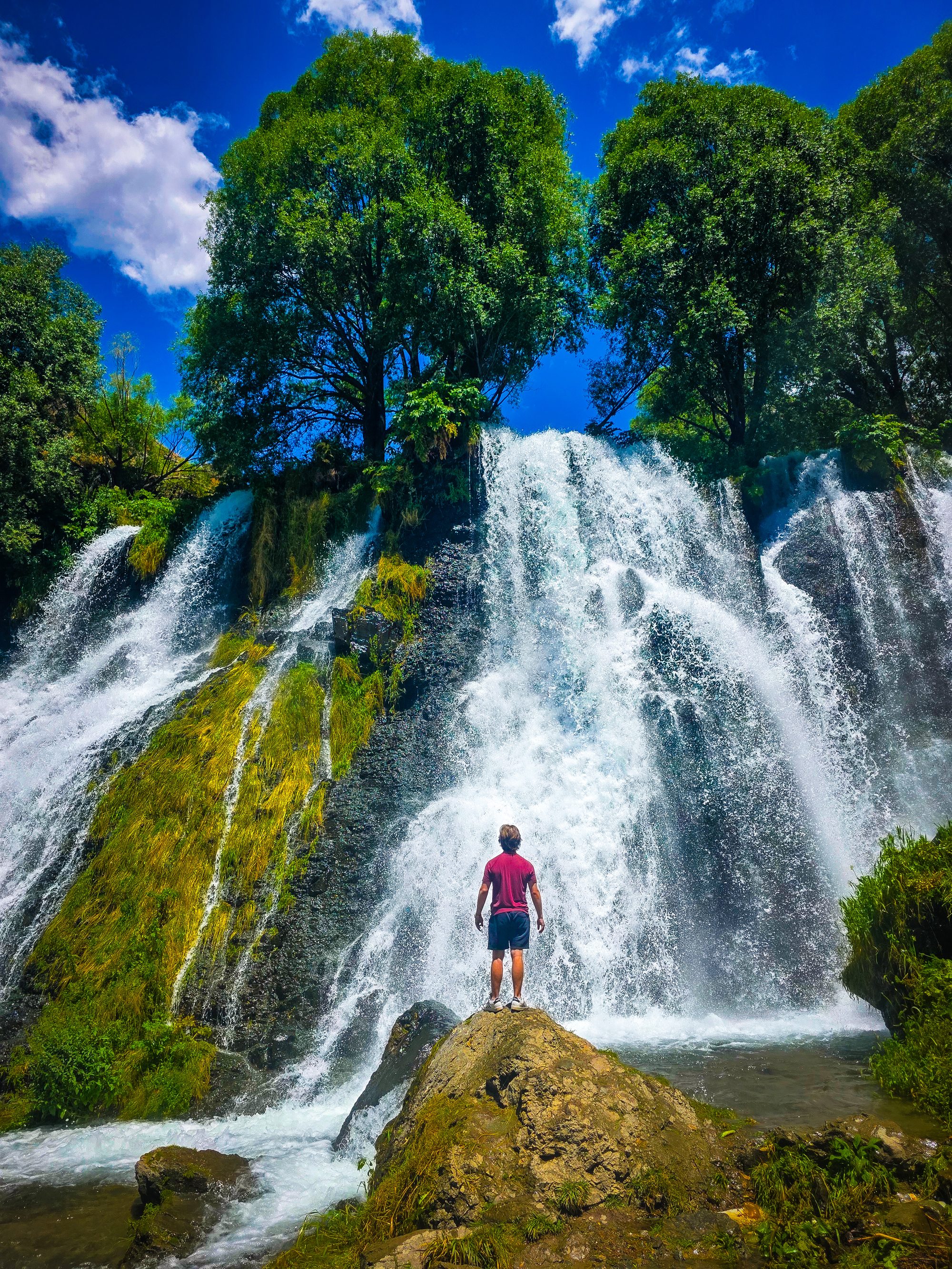
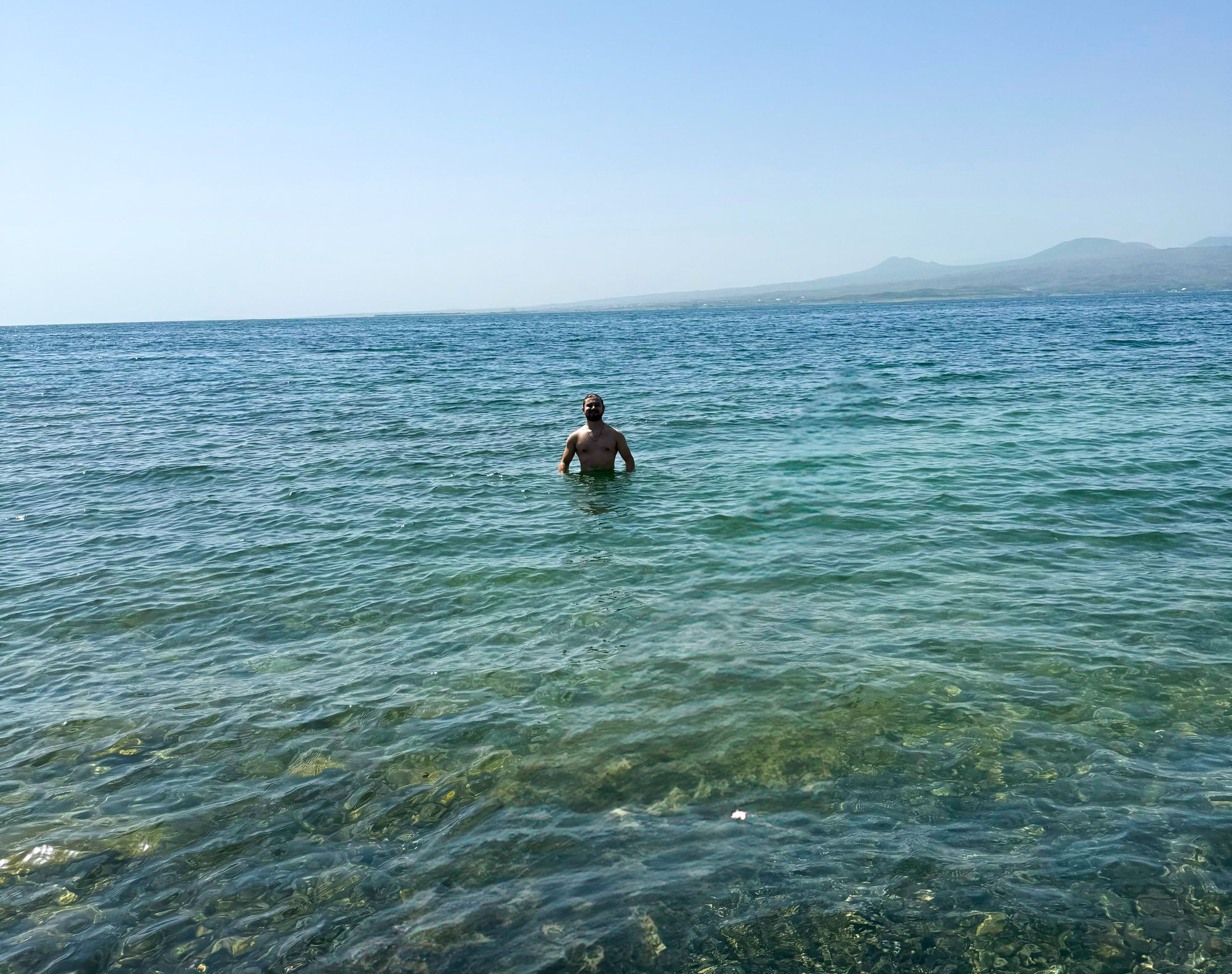
Monasteries carved into cliffs, winding roads leading to places I had only ever seen in pictures. Geghard Monastery. The deep blue of Lake Sevan. Waterfalls hidden behind long drives and quiet villages.
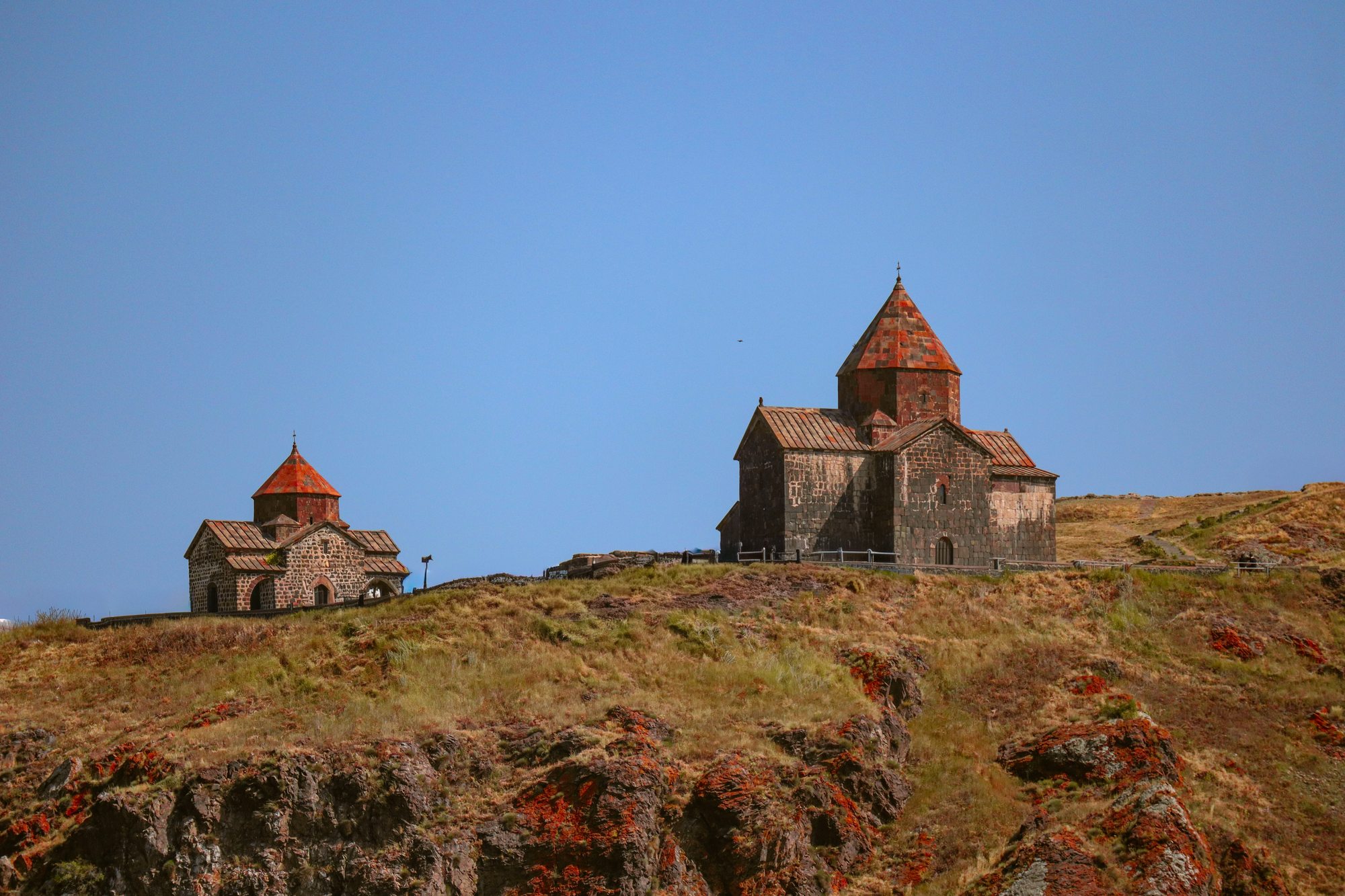
It started to blur — in the best way. Not because it wasn't memorable, but because every place carried weight. Every stop felt like it could've been the highlight of the trip.
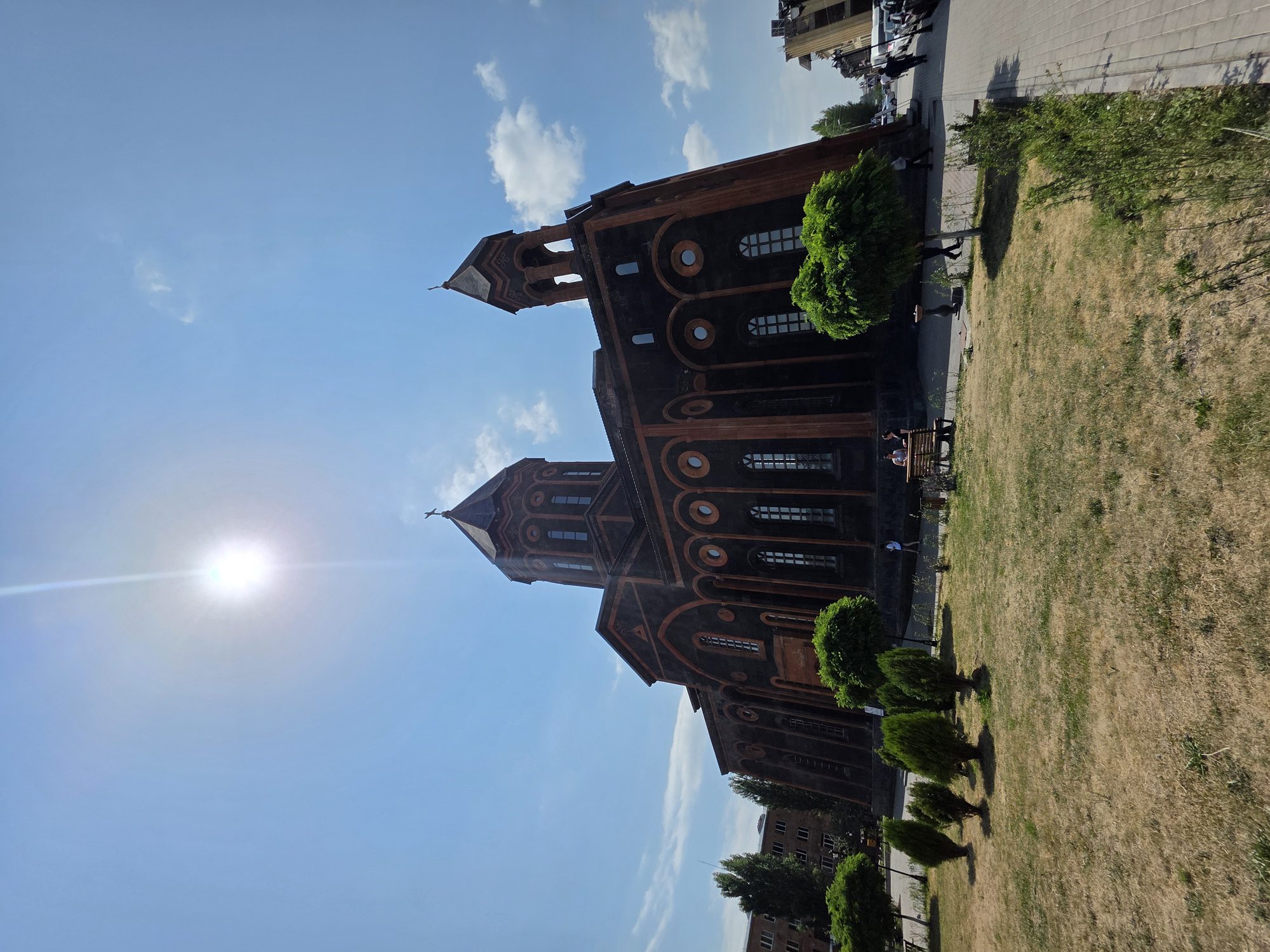
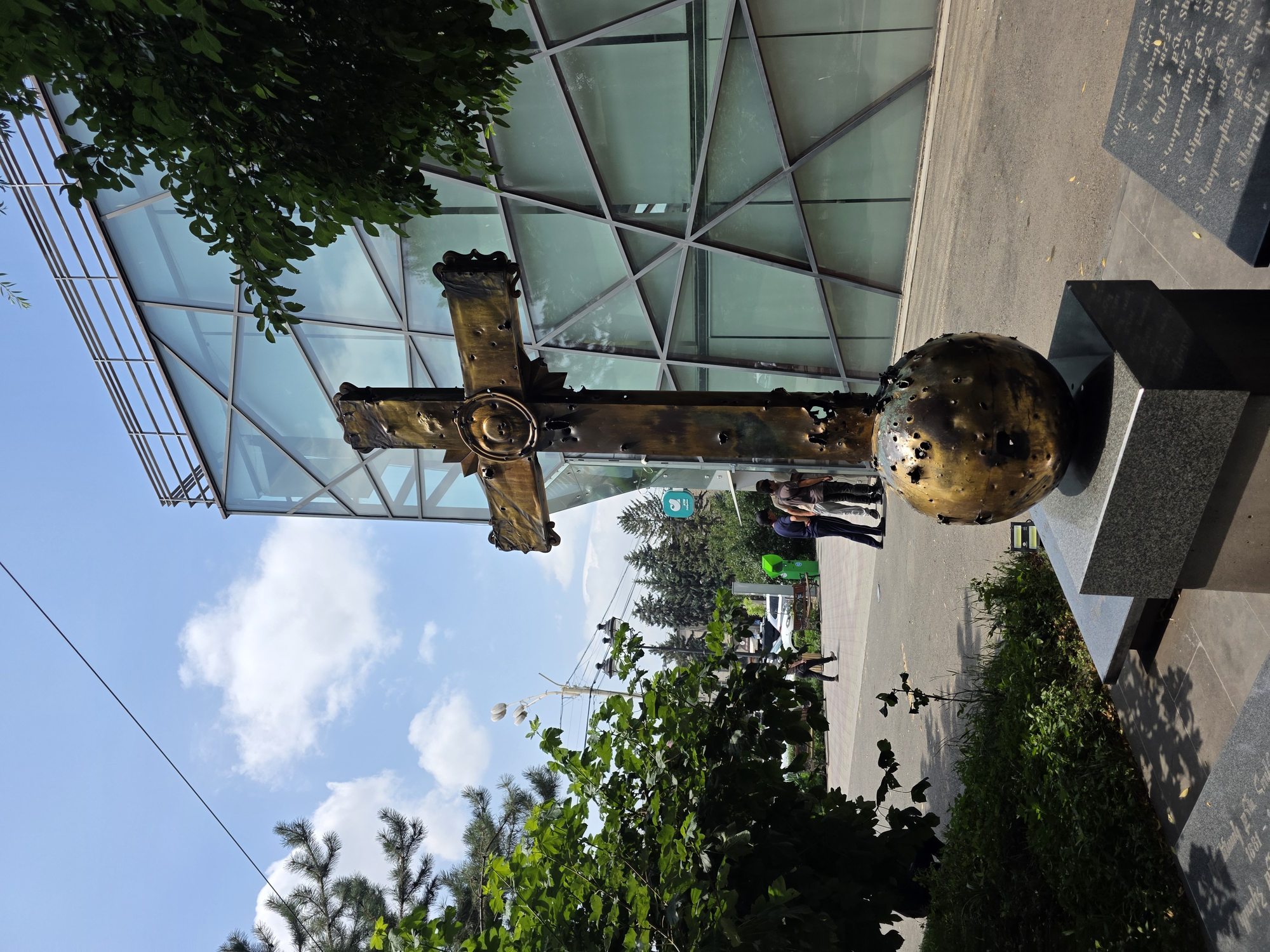
Gyumri stayed with me differently. There was something quieter about it. Slower. At one point, I stepped into a church — Saint Nshan. My name. Written, carved, existing there long before I ever did. That kind of moment is hard to explain without it sounding exaggerated, but it wasn't. It was simple. Personal. Like briefly overlapping with something much older than myself.
Not every part of the trip was easy. A couple of days in, I got pretty sick. And that's where something else stood out — the people. Our guide, who had already been patient and generous with his time, went out of his way to help. That stayed with me just as much as any monastery or landscape.
The Taste of
Something Familiar
The strange thing about Armenian food — at least for me — is that none of it was new. I had eaten these meals my whole life. At my grandmother's table. At family gatherings. At community events.
But there, it was different. Not better in a dramatic, reinvented way — just… real. Closer to something original. Like tasting a version of what I already knew, but without any distance from where it came from.
One place that stayed with me was Mayrig. I ordered manti — something I had eaten my whole life. Always familiar. Always comforting.
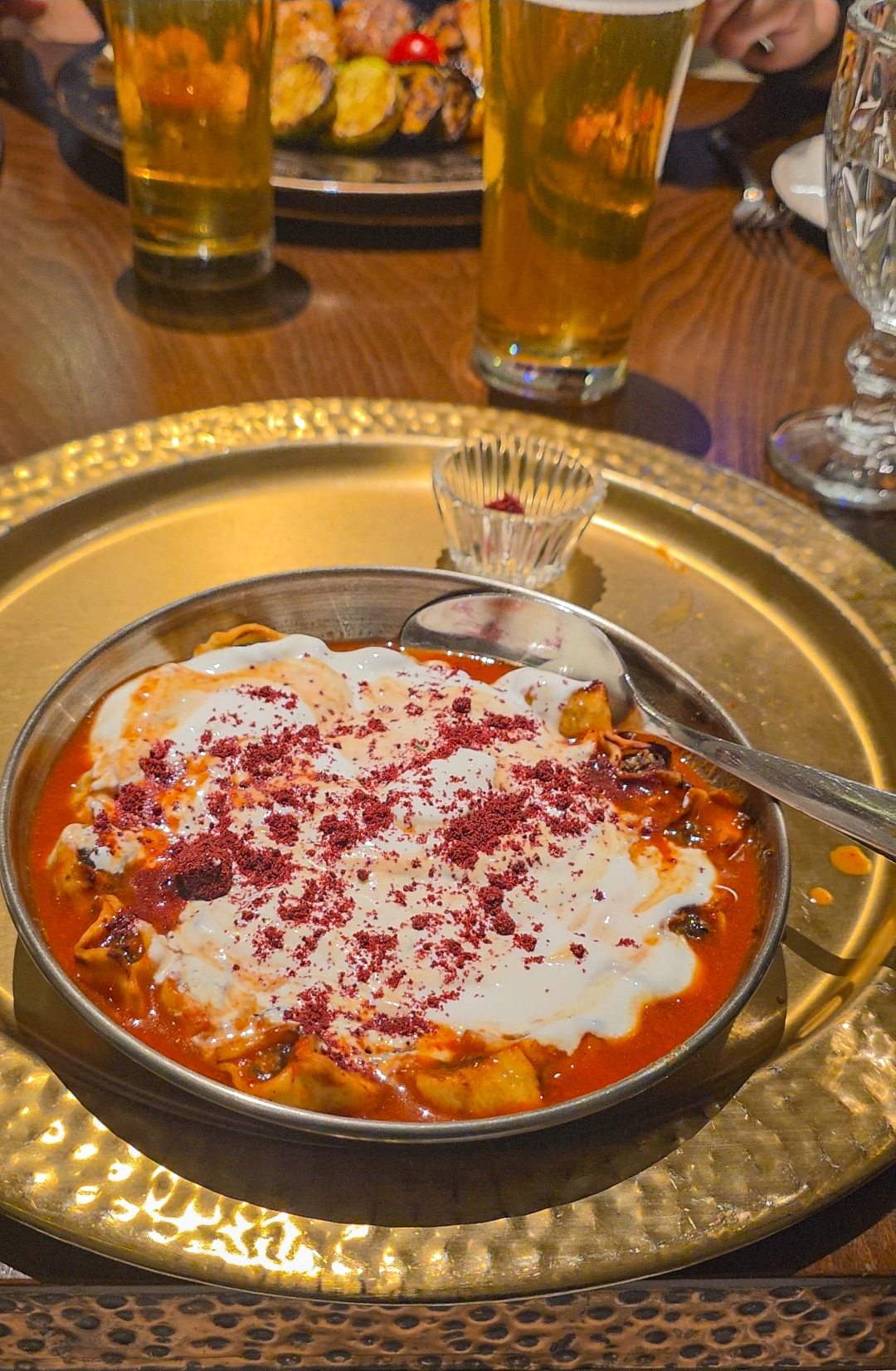
The first bite is what I remember most. The crisp of the baked dough giving way, the warmth of the meat inside, the slight tang of the yogurt, the depth of the sauce — it all felt sharper, more defined. Like every version I had before was leading up to this one.
It wasn't just good. It was recognizable in a way I didn't expect. Like tasting something I already knew, but finally understanding it properly. It's still my favorite meal. And somehow, that version — the one I had there — is the one I keep going back to in my head.
A City That
Doesn't Sleep
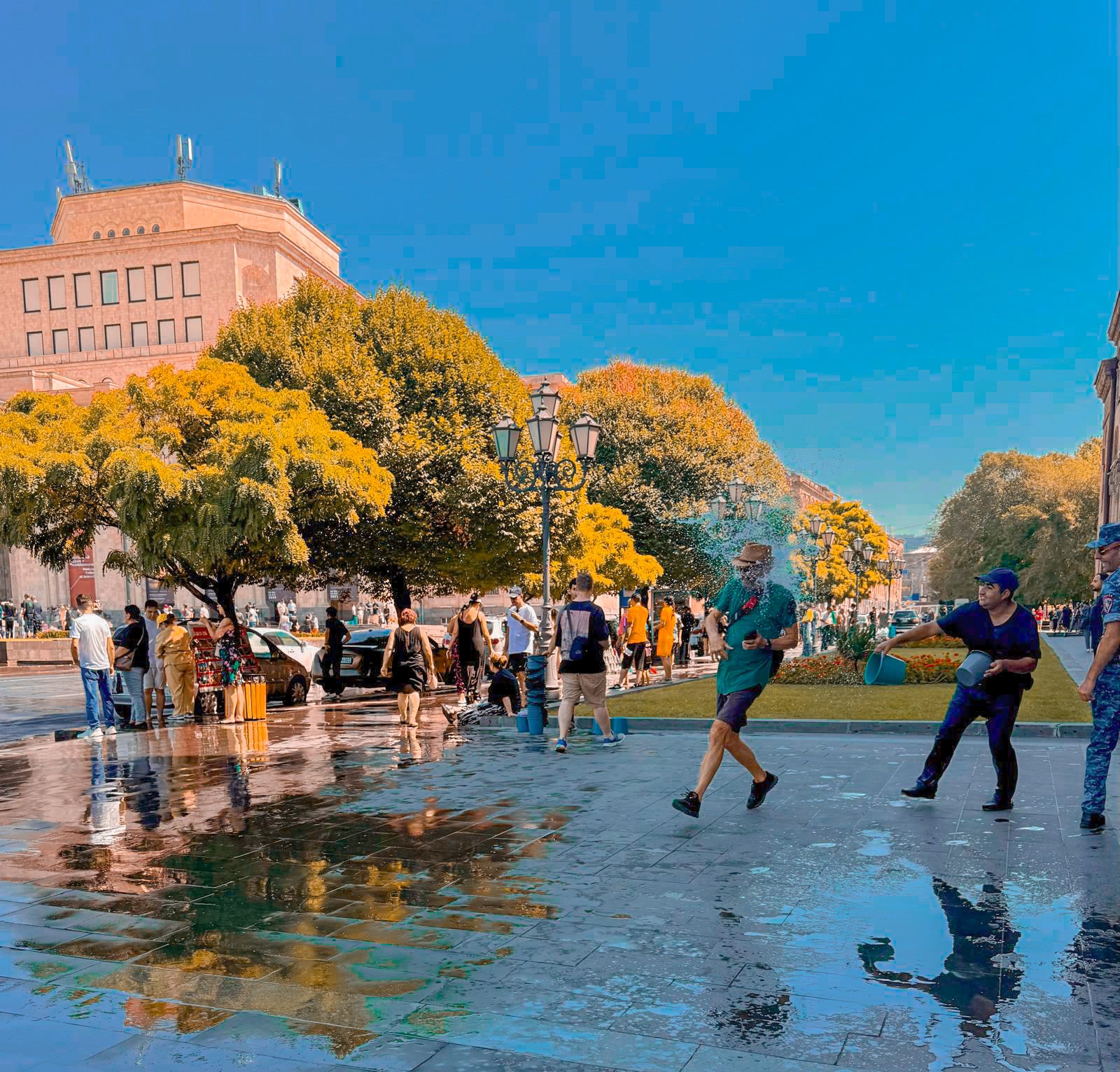
In the final days, the trip slowed down in a different way. And then, almost as if the city wanted to leave one last impression, we experienced Vardavar. No warning prepares you for it. The entire city turns into a celebration — everyone soaked, strangers throwing water at each other, police officers and firefighters joining in.
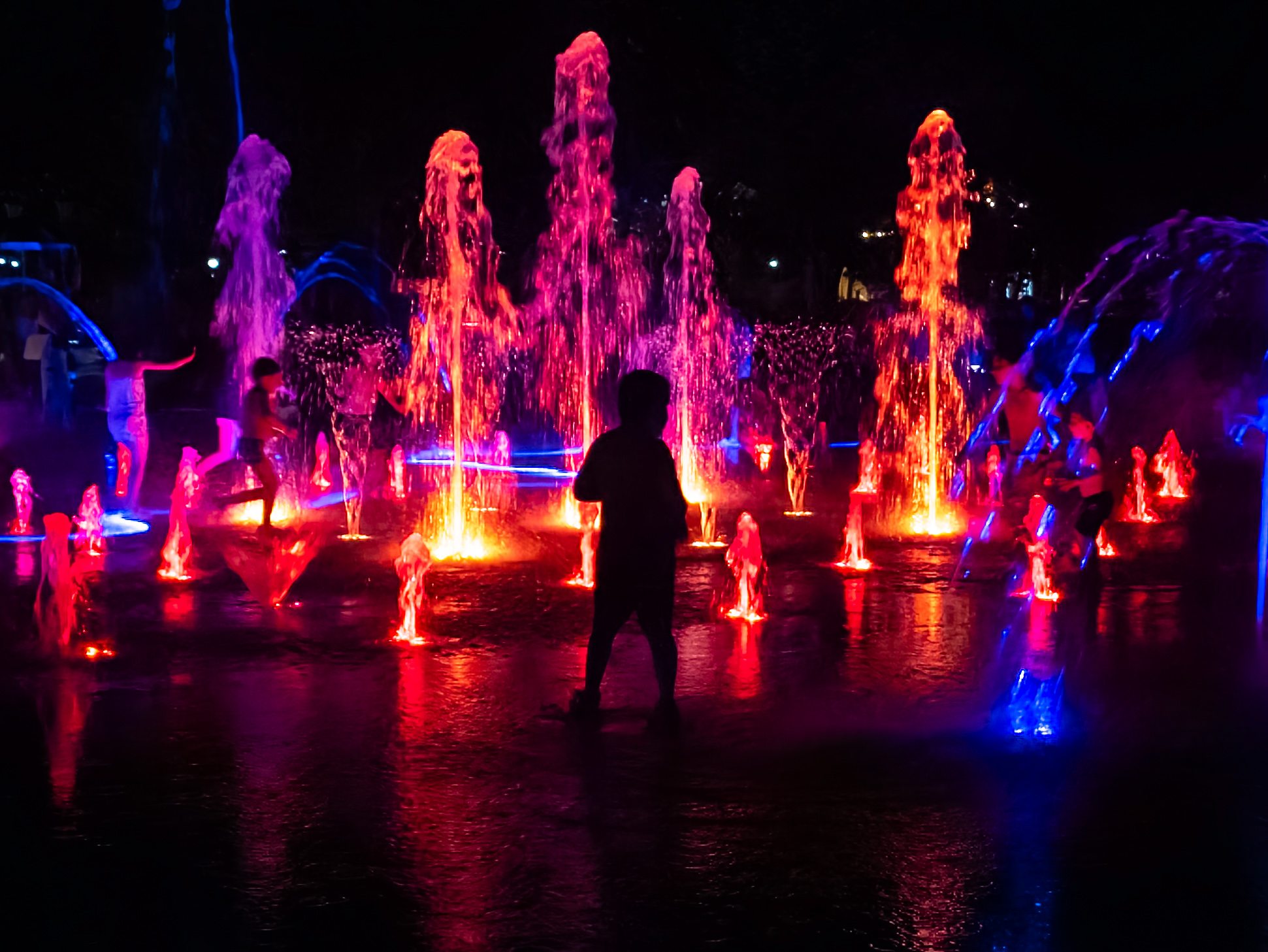
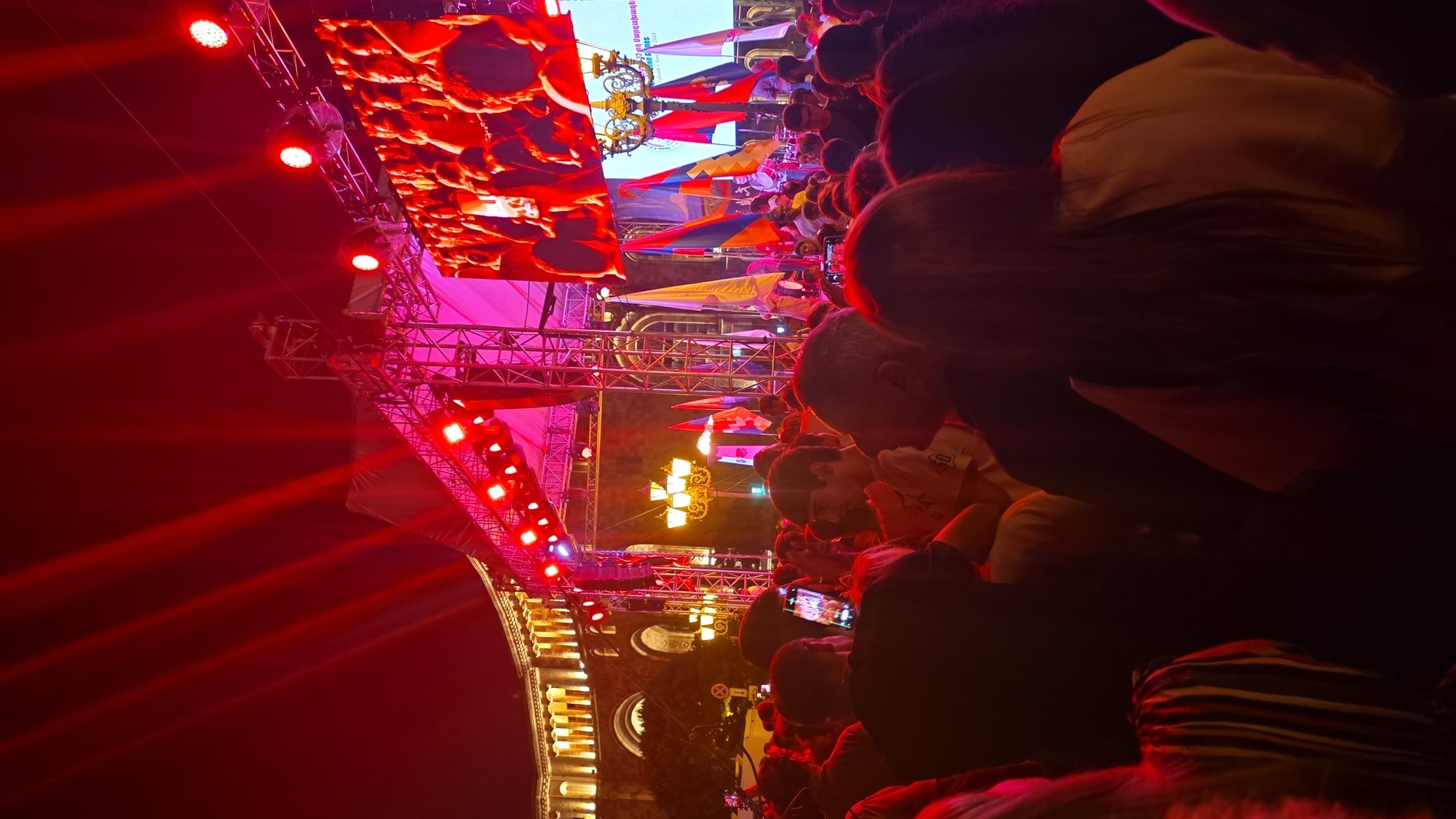
I didn't expect it, but the nightlife genuinely surprised me. I'm from Montreal, and even there — it doesn't feel like this. In Yerevan, the nights don't even really begin until midnight, and they stretch into the early morning hours. Every night feels alive.
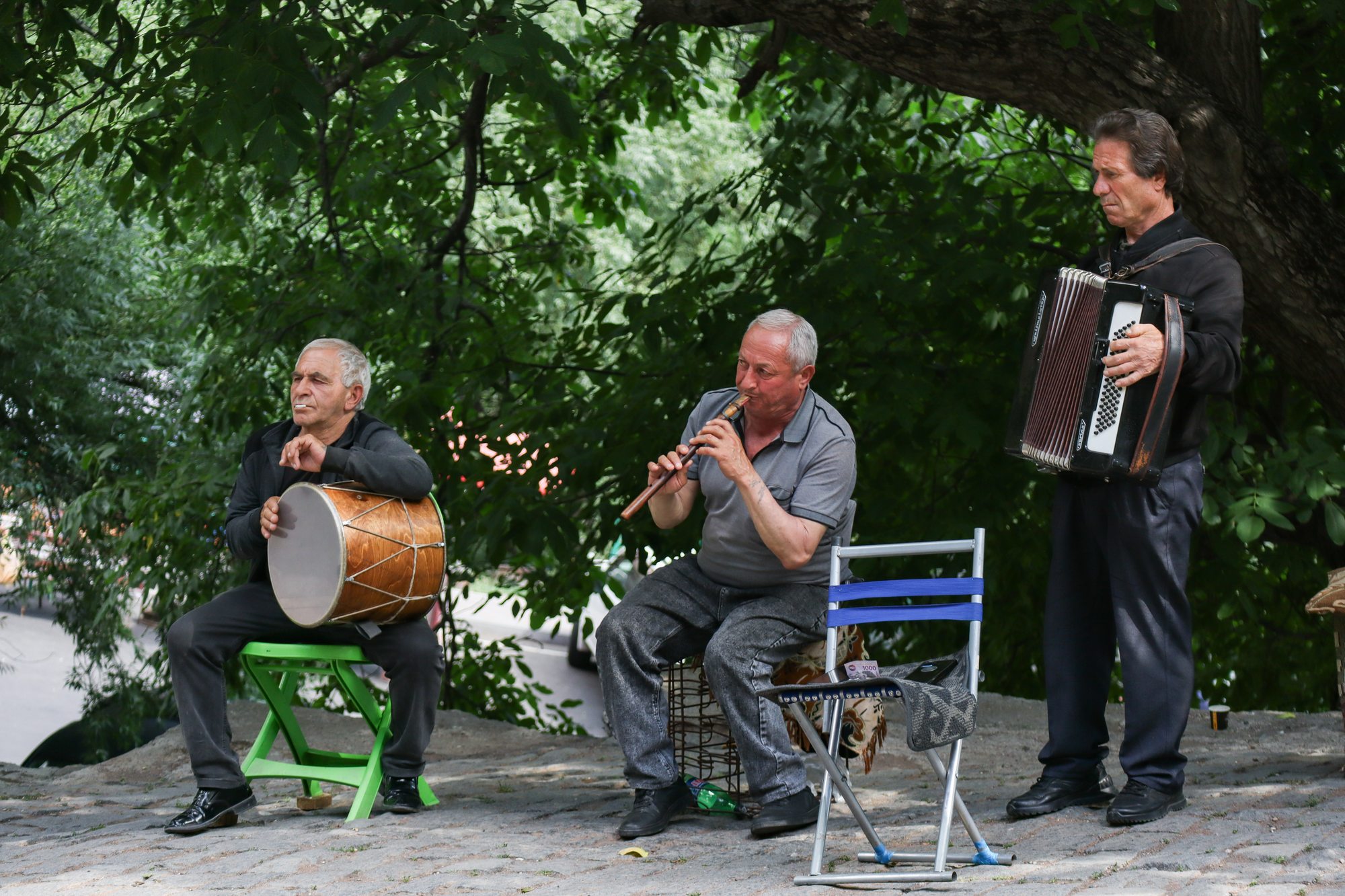
There's a different rhythm to it all. Slower in some ways. More alive in others. People take their time. They talk. They stay out. They exist in the moment a little longer than what I'm used to.
The Weight
of It All
But not everything we saw was light.
One day, we visited the Armenian Genocide Memorial Complex. There's a silence there that feels different from anywhere else. Not empty — just heavy. You don't need much explanation when you're standing there. You feel it.
And it didn't feel confined to the past. We passed by graveyards of soldiers who had fallen in the 2020 Artsakh war. Fresh reminders that this history isn't something distant or resolved — it's ongoing, still shaping lives.
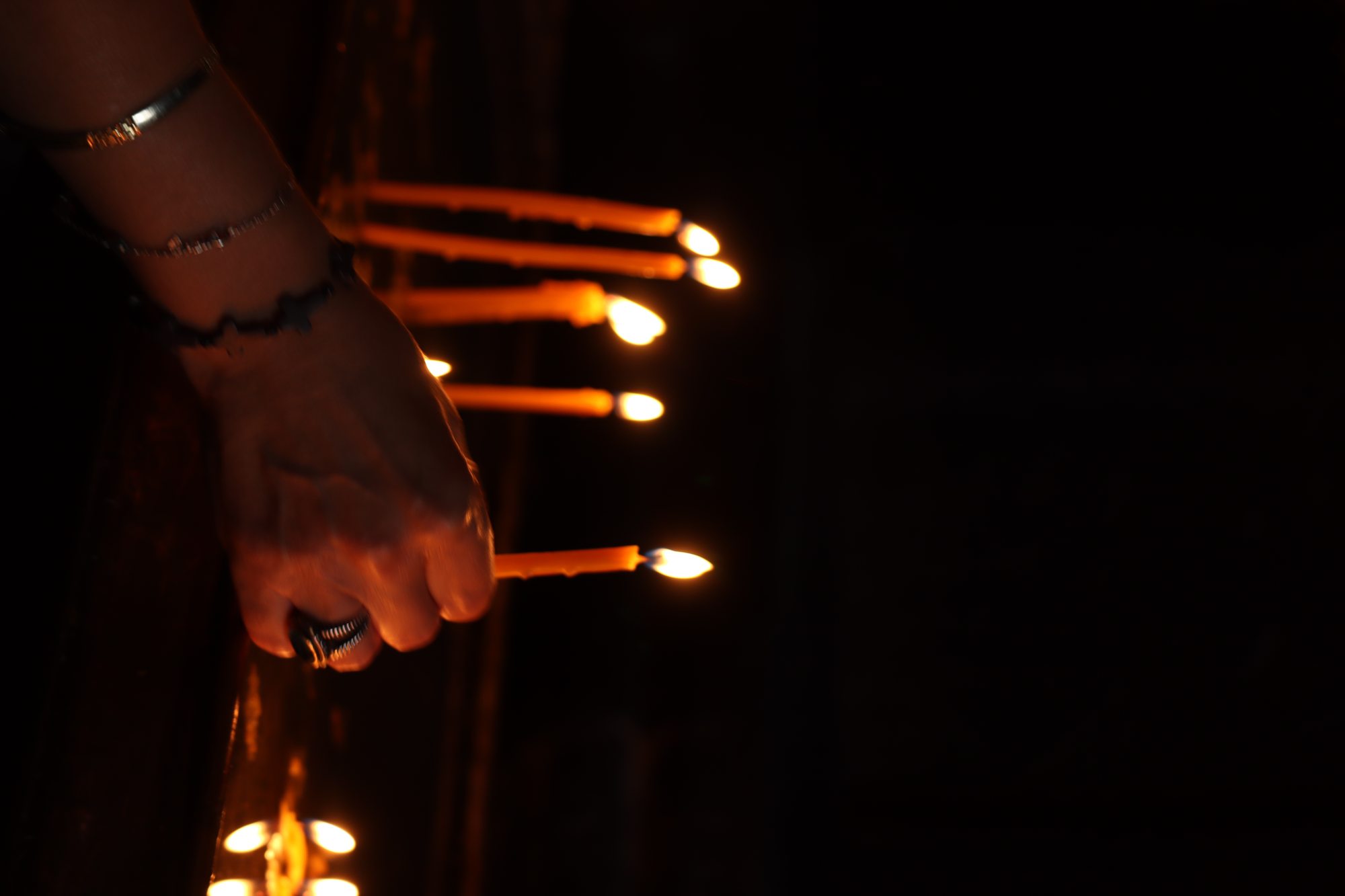
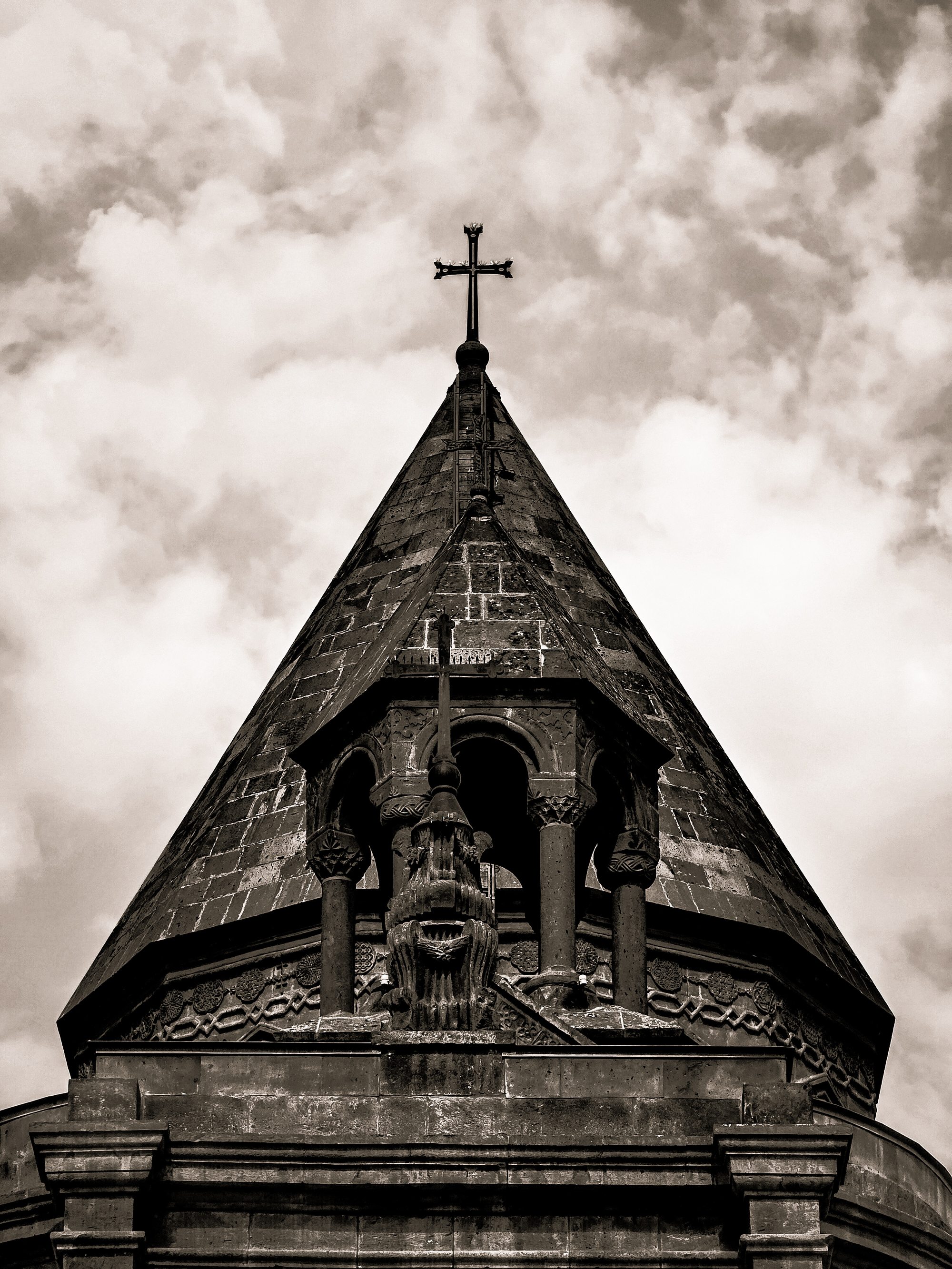
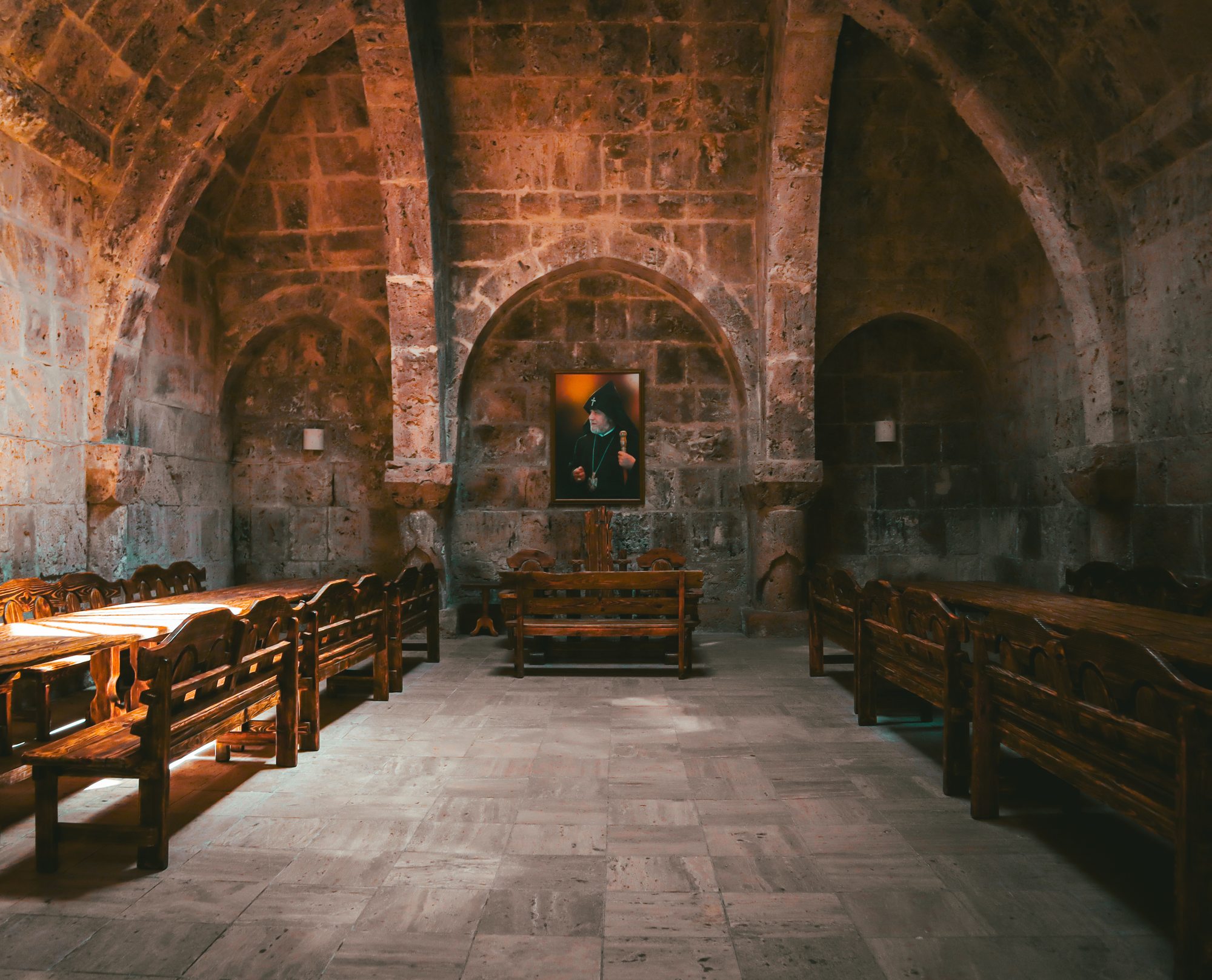
Not long after, we visited the Mother See of Holy Etchmiadzin. We attended mass. After everything — the movement, the noise, the constant travel — it was one of the few moments where everything became still. It grounded the trip in a different way.
What It Meant
to Be There
And that's what stayed with me, more than anything.
This wasn't just a trip. It was a return — to a place I had known my entire life through stories, food, language, and memory, but had never actually seen. Standing there, walking those streets, seeing Ararat with my own eyes, hearing the language all around me — it stopped being something inherited.
"It became something real — and something I now carry differently."
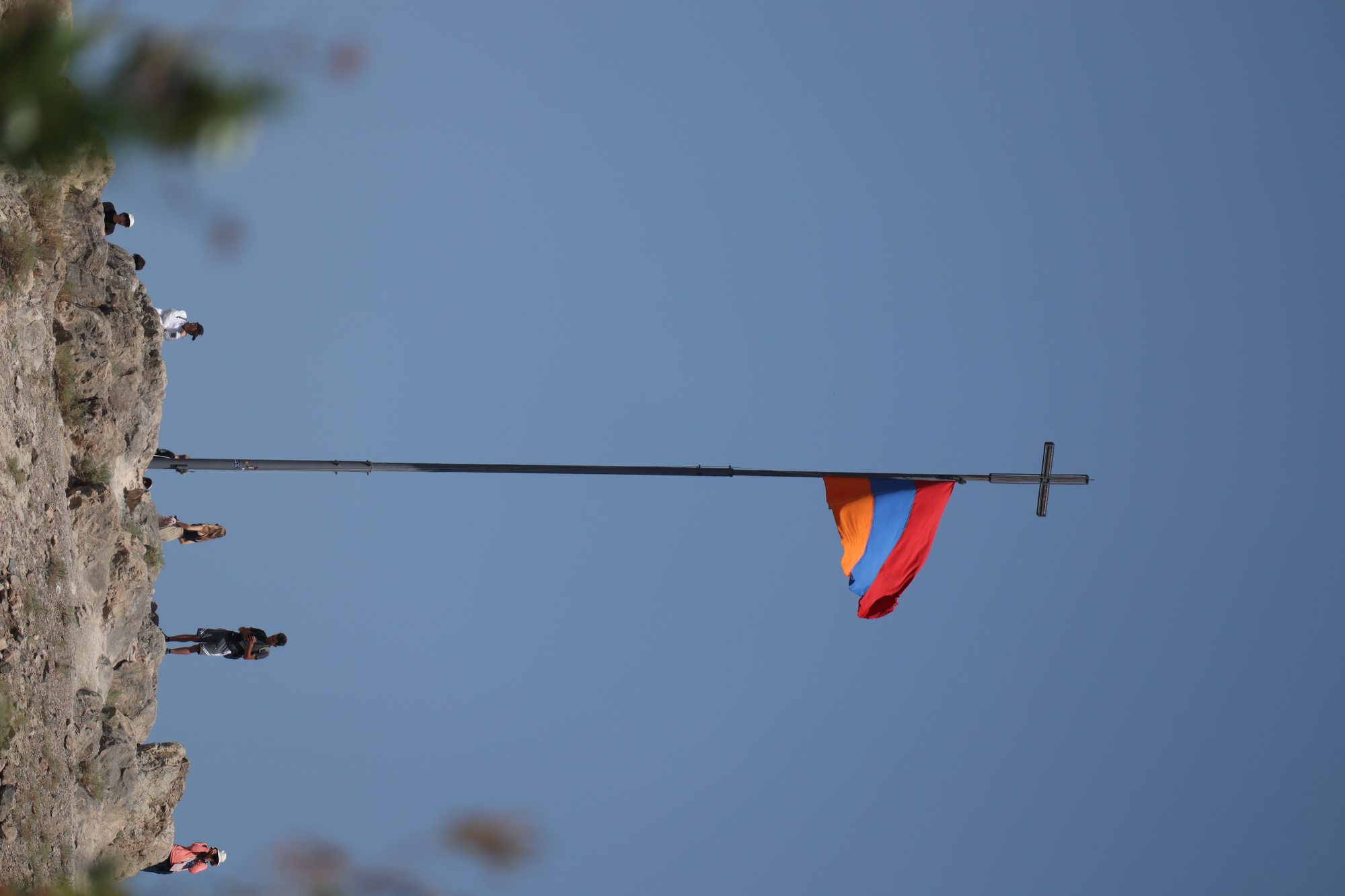
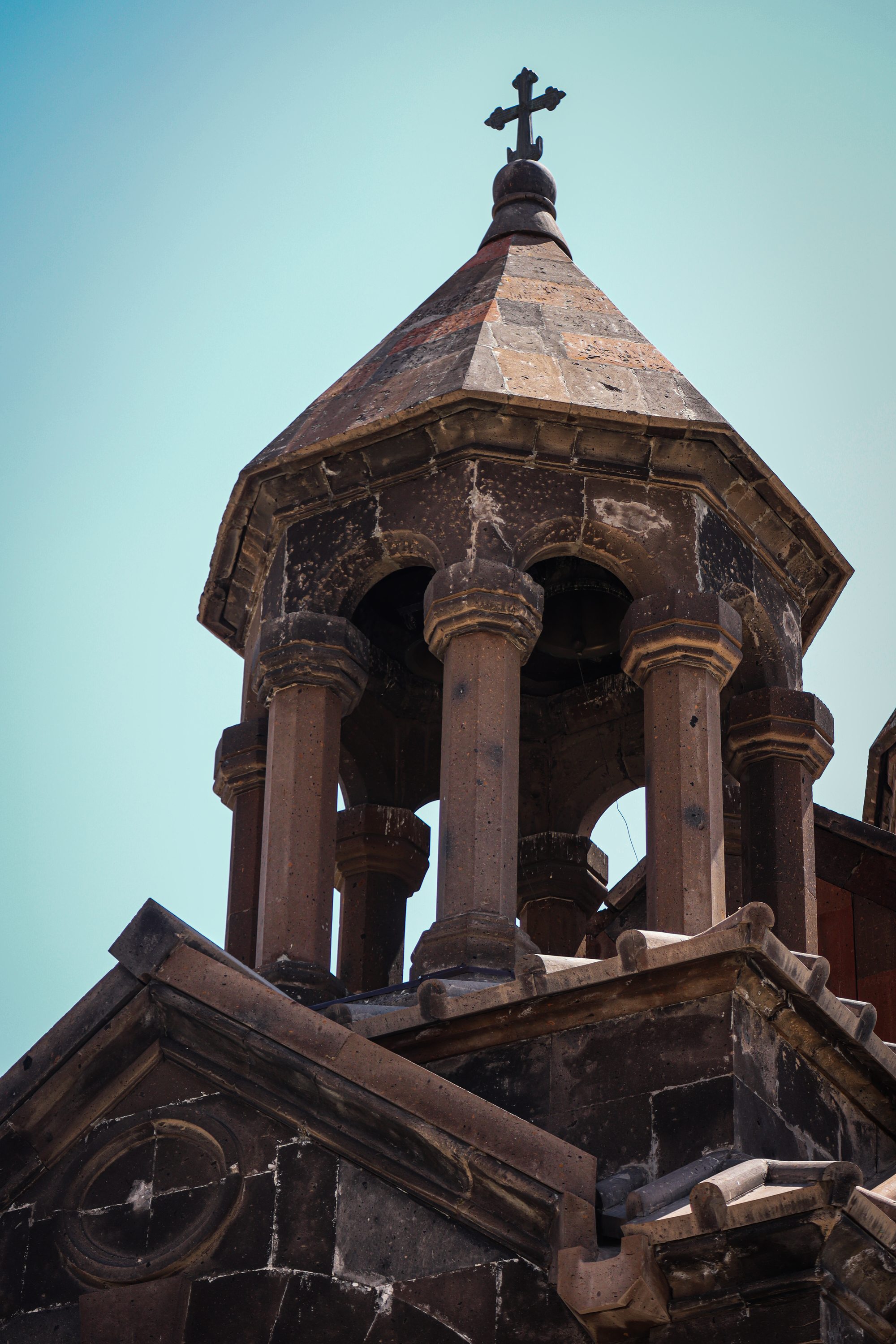
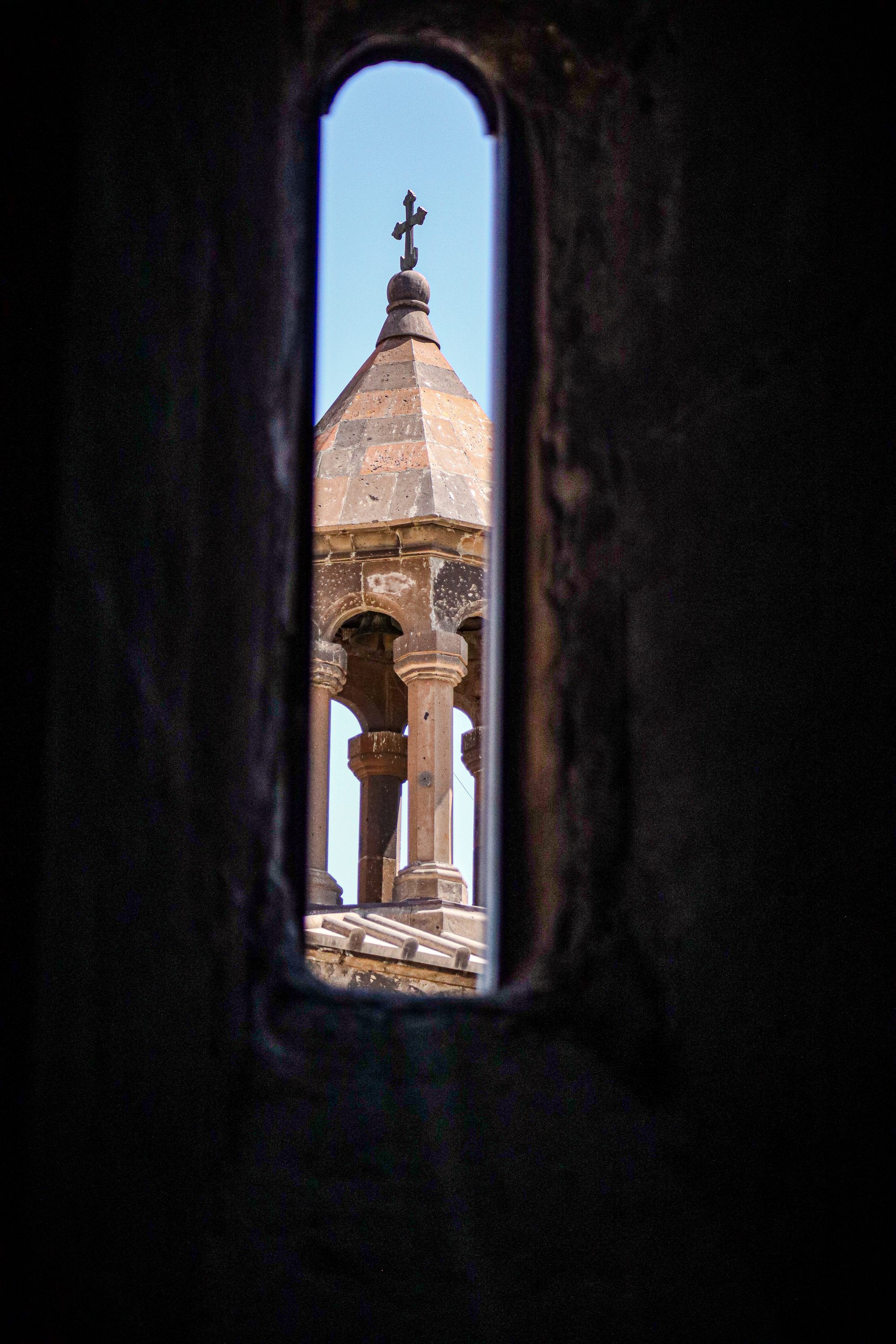
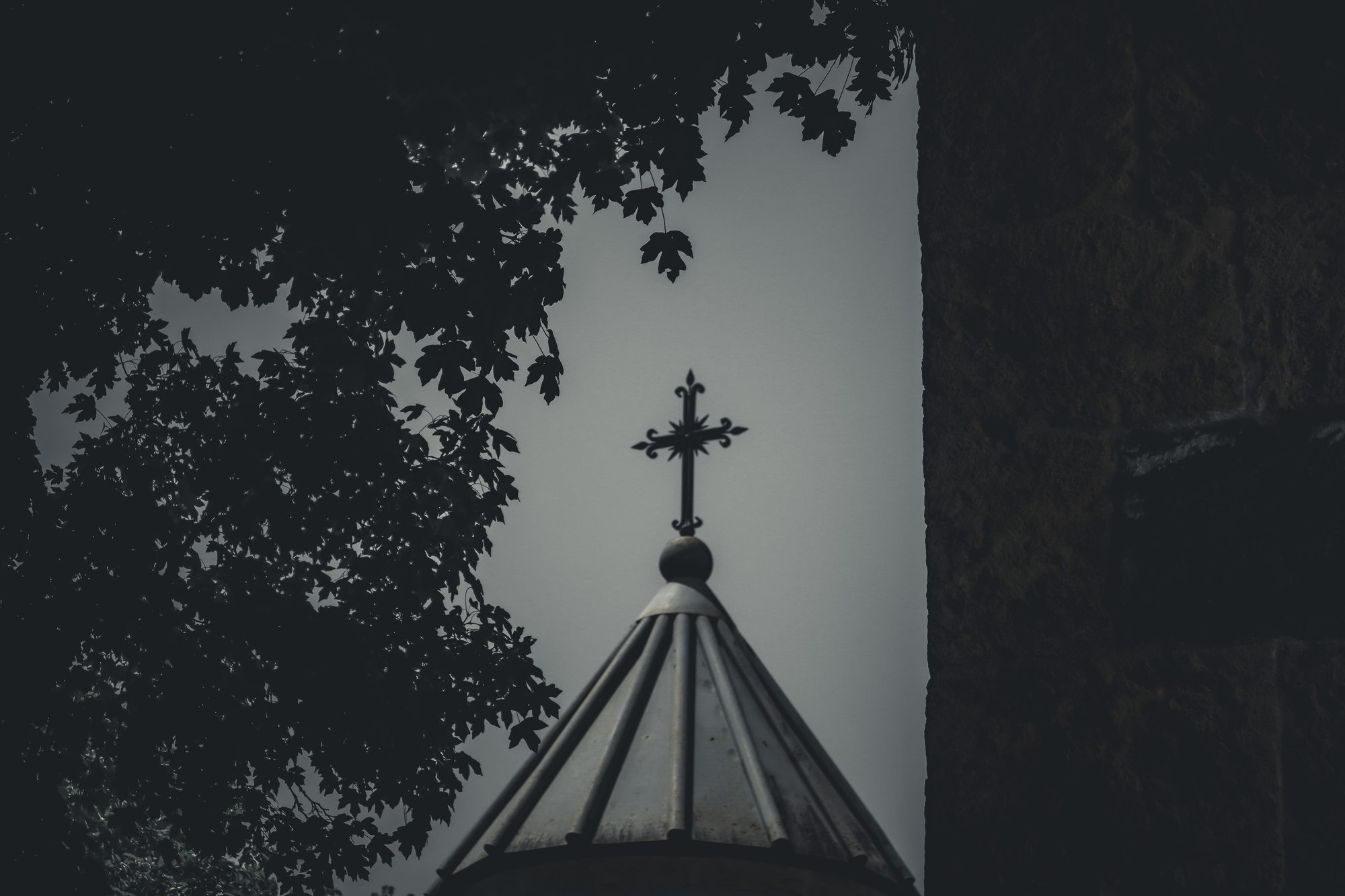
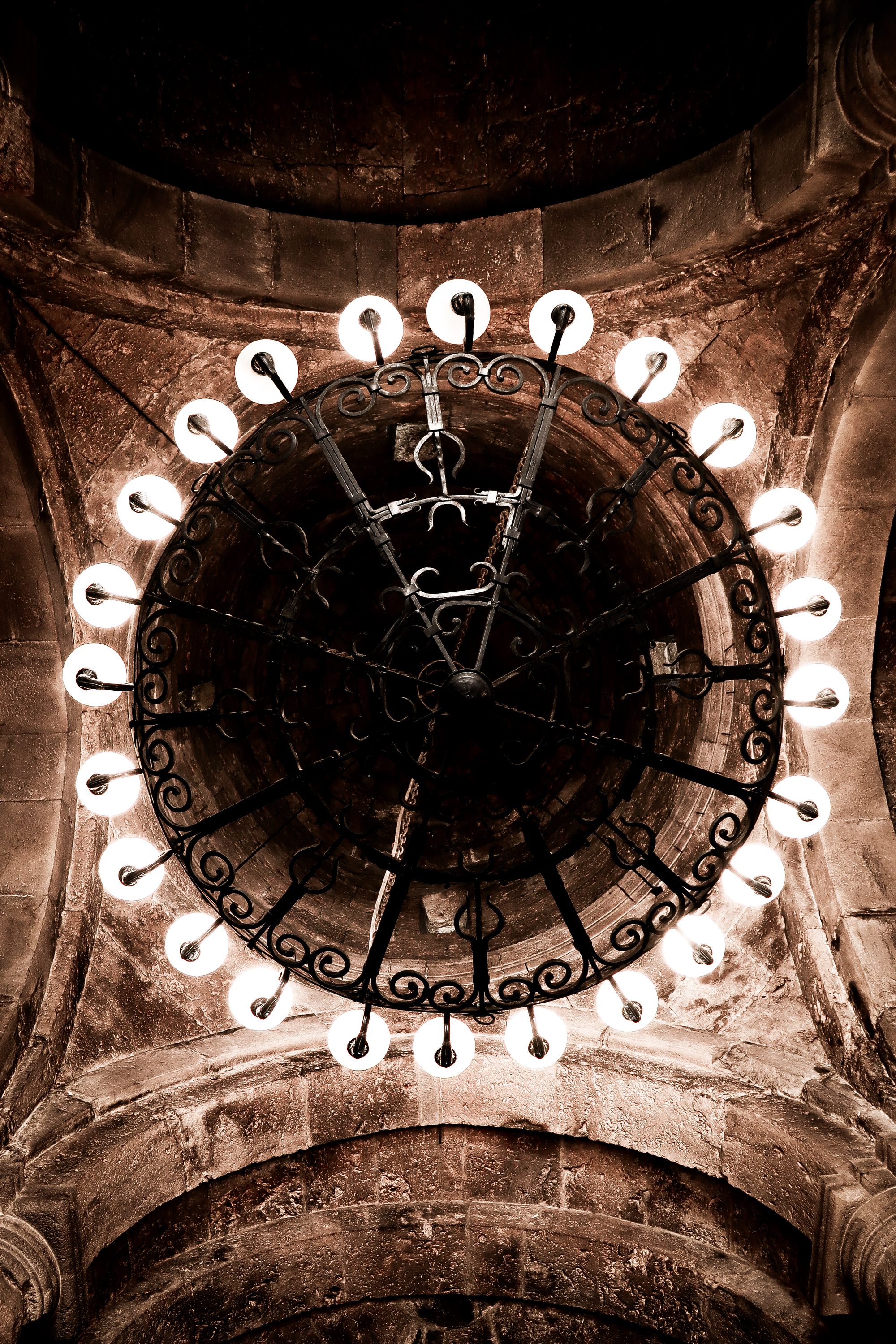
Photography by Nishan K. · @m_koz_photoz · All images original, EXIF intact · July 2025
— A note from Yaron, founder of PONTUS · The closest spiritual companion to Nishan's piece on this site is the one I wrote about a place I also did not expect to fall for: Corfu — the Greek island that doesn't feel Greek. Different country, different reason — but the same "I came here for one thing and left changed by a different one" shape. Worth reading next.
— And, in the same shape of "the place I grew up next to and ignored for years," the piece I wrote about a city two hours from my hometown that I should have visited a decade earlier: Quebec City — Europe without the flight. Nishan flew home to find his country. I drove two hours to find mine.
A small practical note for your own first trip, wherever it leads. The price you are quoted for a hotel is rarely the price that has to exist — most of it is set by two companies that own the booking sites. It is worth understanding who actually owns online travel before you go.
If you read this all the way down, there's a fair chance you've been somewhere too — and you have your own version of what just happened in this piece. I want to read it. I read every story that comes in, and I write back. The pieces that earn it go live here with your name on them, your photographs, your verdict.
Every piece here ends with an honest call on where to actually go. New verdicts land in your inbox first. One email. No noise.
PONTUS Voices is
open.
Nishan made it here with his own two feet, his own camera, and a lifetime of stories about a place he'd never been. If you've been somewhere real and come back changed — we want to hear it. Your photos. Your voice. Your byline.
Submit Your Story