I'll be honest with you: I've been sitting here thinking about how to start this for two hours.
It's just quite hard to put into words what Athens is, what Athens feels like, and why — for some reason — I feel so damn nostalgic and long to return to it.
So I suppose the best place to begin is at the beginning.
If you came to this article looking for permission to skip Athens — to fly into Greece, head straight to the islands, and treat the capital like an inconvenience — I am not going to give it to you. Athens is the trip. The islands are the dessert. Read on for the full honest case, the practical itinerary, and why I would go back tomorrow.
Every piece here ends with an honest call on where to actually go. New verdicts land in your inbox first. One email. No noise.
The Arrival — and the moment I understood
My girlfriend and I arrived at Athens International Airport around noon. Through the hustle and bustle of the airport, the slight confusion of finding the right bus and metro, for a moment I forgot where I was — I forgot that I was finally in Athens. We were just trying to get to where we needed to go.
We came up out of the underground at Monastiraki station and stepped into the neighbourhood called Psiri. Shops around us, cars passing by, the smell and feel of an ancient city. Already, then and there, I thought it was so cool that we had arrived — but then my girlfriend said, "baby, look up!" — and there it was.
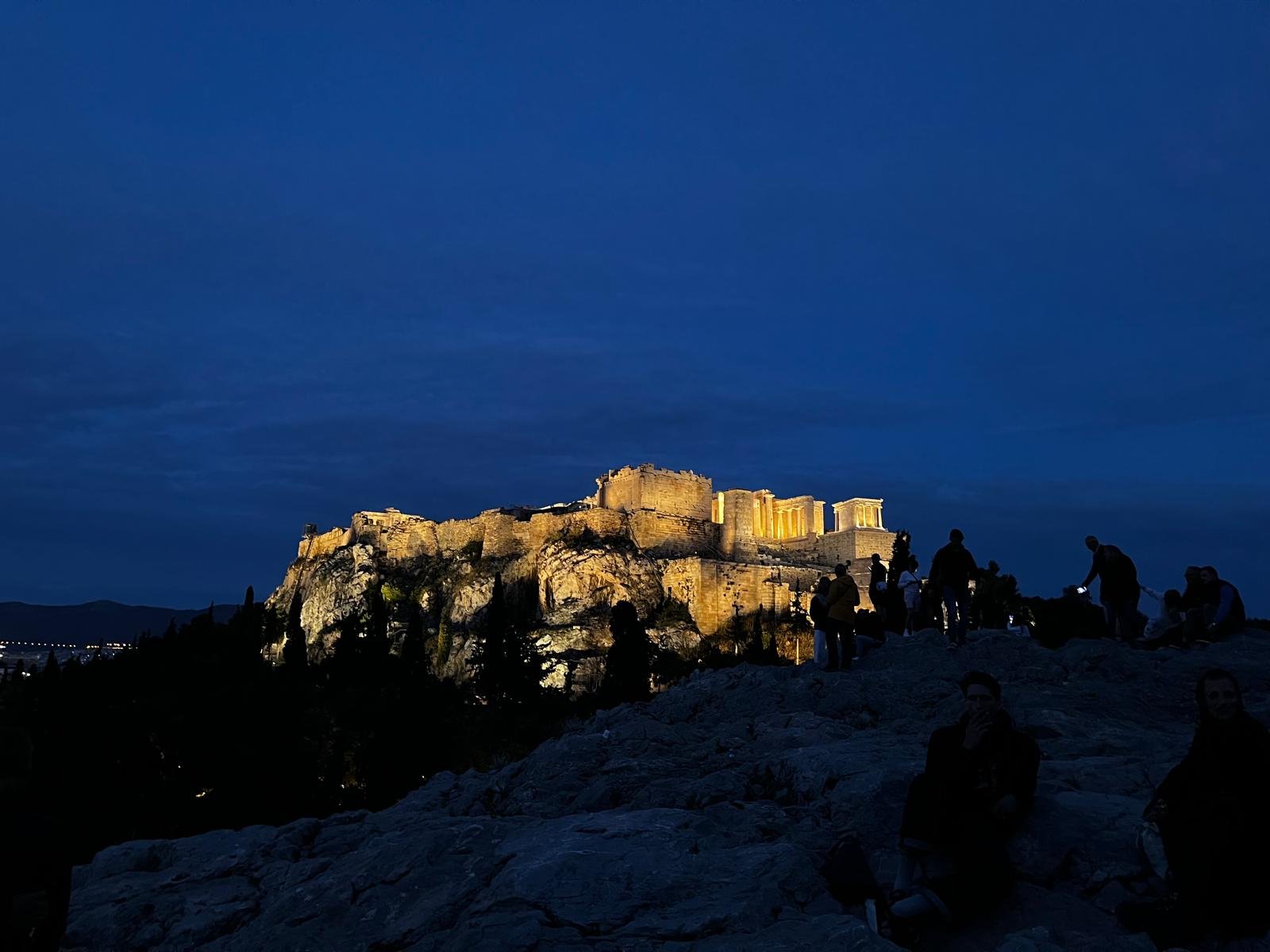
The Acropolis. Towering over the ancient city. Changed but unmoved, broken but still standing, ruined but glorious.
Admittedly, as a fan of ancient Greek history, I was awe-struck. All the sweat and tiredness of the commute leaves your body and the feeling is replaced by a hunger to see more.
The Honest Case Against Athens
Let me give the argument its full credit first, because it deserves it.
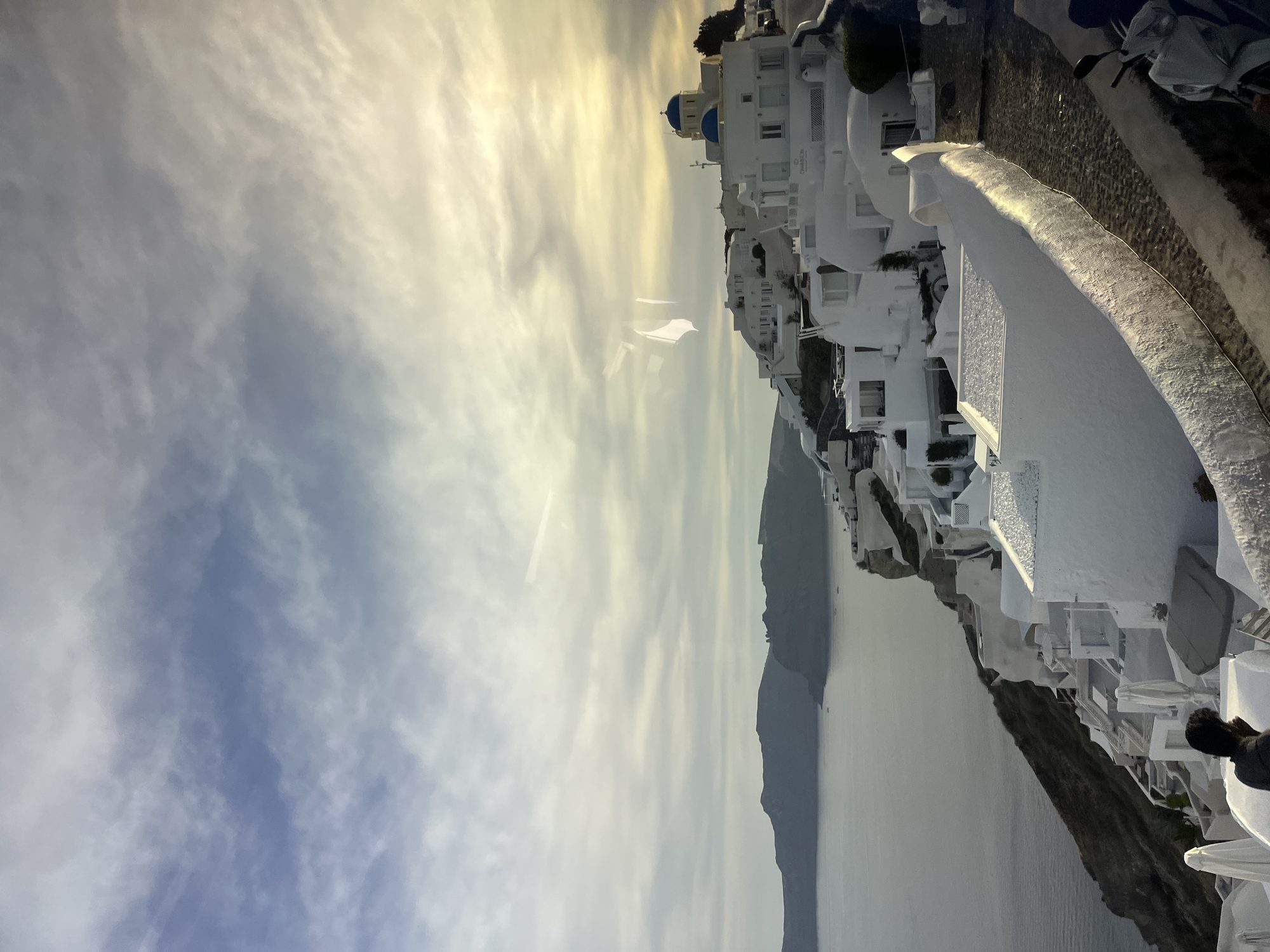
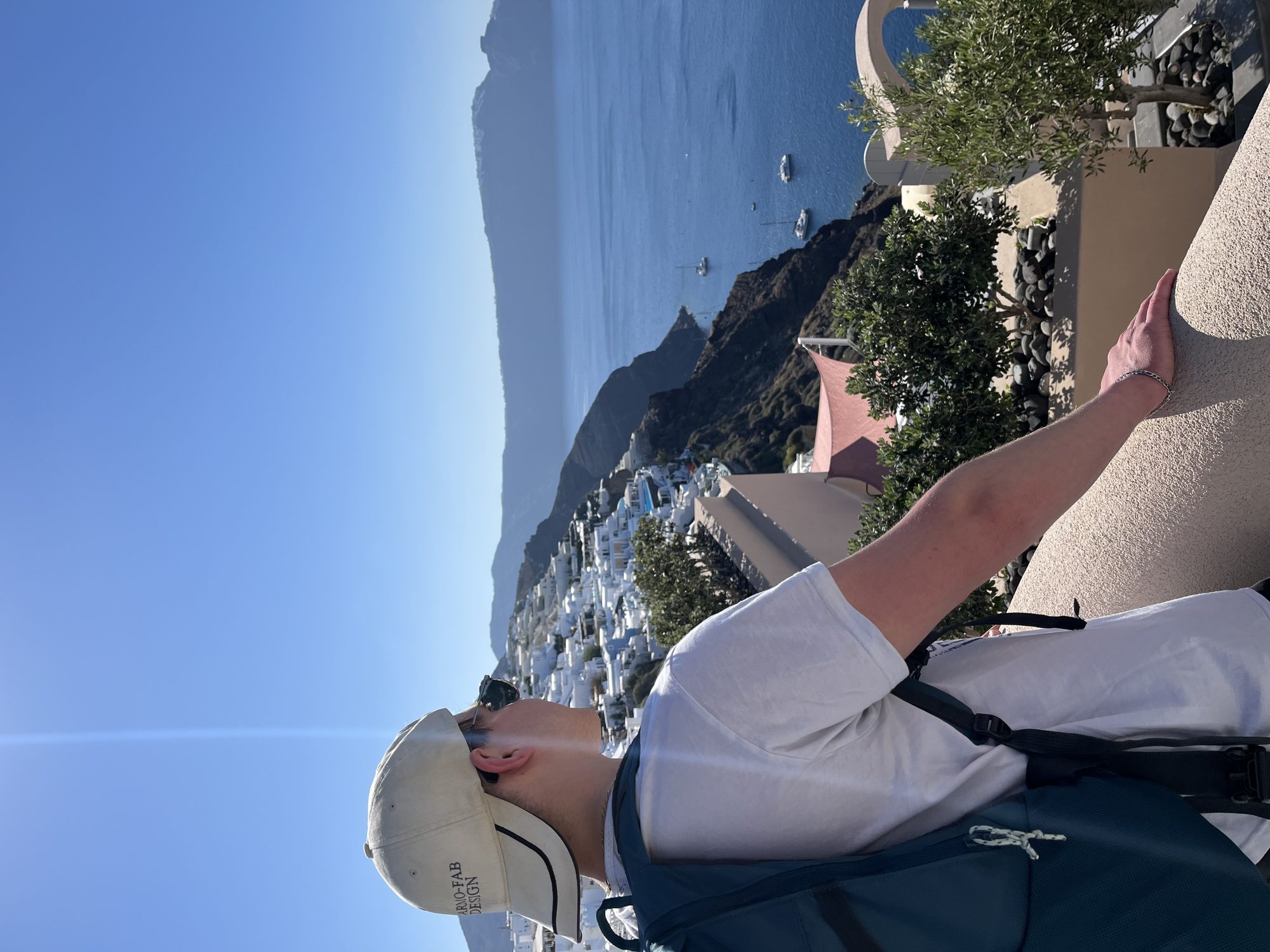
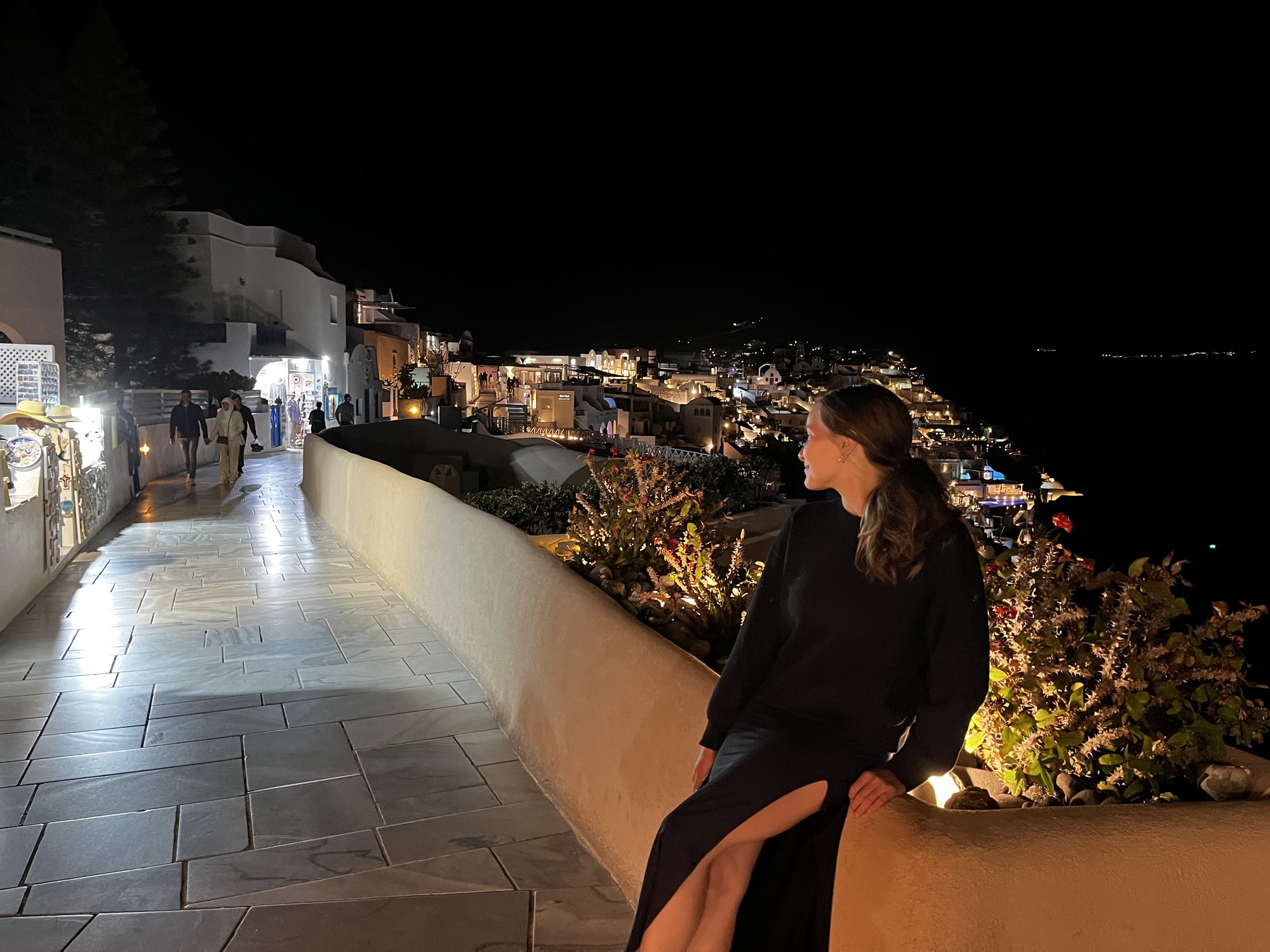
Athens is not Santorini. It is not photogenic in the way that the Cyclades islands are photogenic. There are no white-washed villages. There are no caldera sunsets. There are no infinity pools overlooking the Aegean. The skyline you arrive into is a sea of low concrete apartment blocks, painted in a hundred shades of beige, sometimes graffiti-covered, sometimes peeling, often beautiful but never in the way Instagram understands beauty.
The traffic is loud. The summer heat sits on the pavement like a second city. The metro can be confusing on the first day. The tourist-trap restaurants near the Acropolis are real and they are aggressive — laminated menus in five languages, hosts trying to wave you in.
If your only metric for a trip is "did it look like the postcards I saw before I went" — then no, Athens will disappoint you. Santorini is the postcard. Athens is the trip.
"Santorini is the postcard. Athens is the trip. There is and will always only be one Athens."
Now — what really matters.
Why Athens Earns the Week You Give It
The city is a marvel for fans of history, and for the non-fans it remains a living, breathing museum that interests anyone. As you walk to your hotel or Airbnb, you are bound to pass by these fenced-off sections in the city. What these sections fence off are ancient ruins that the city decided to leave right there, right where they have been laying for thousands of years.
You realise something quite early on while walking through Athens: you are not just an observer — you are a participant. You are participating in the ongoing history of this ancient city. You are walking the paths that the ancient Greeks walked thousands of years ago. And nowhere, in my opinion, is that truer than the ancient Athenian Agora.
The Agora — the heart of the ancient city
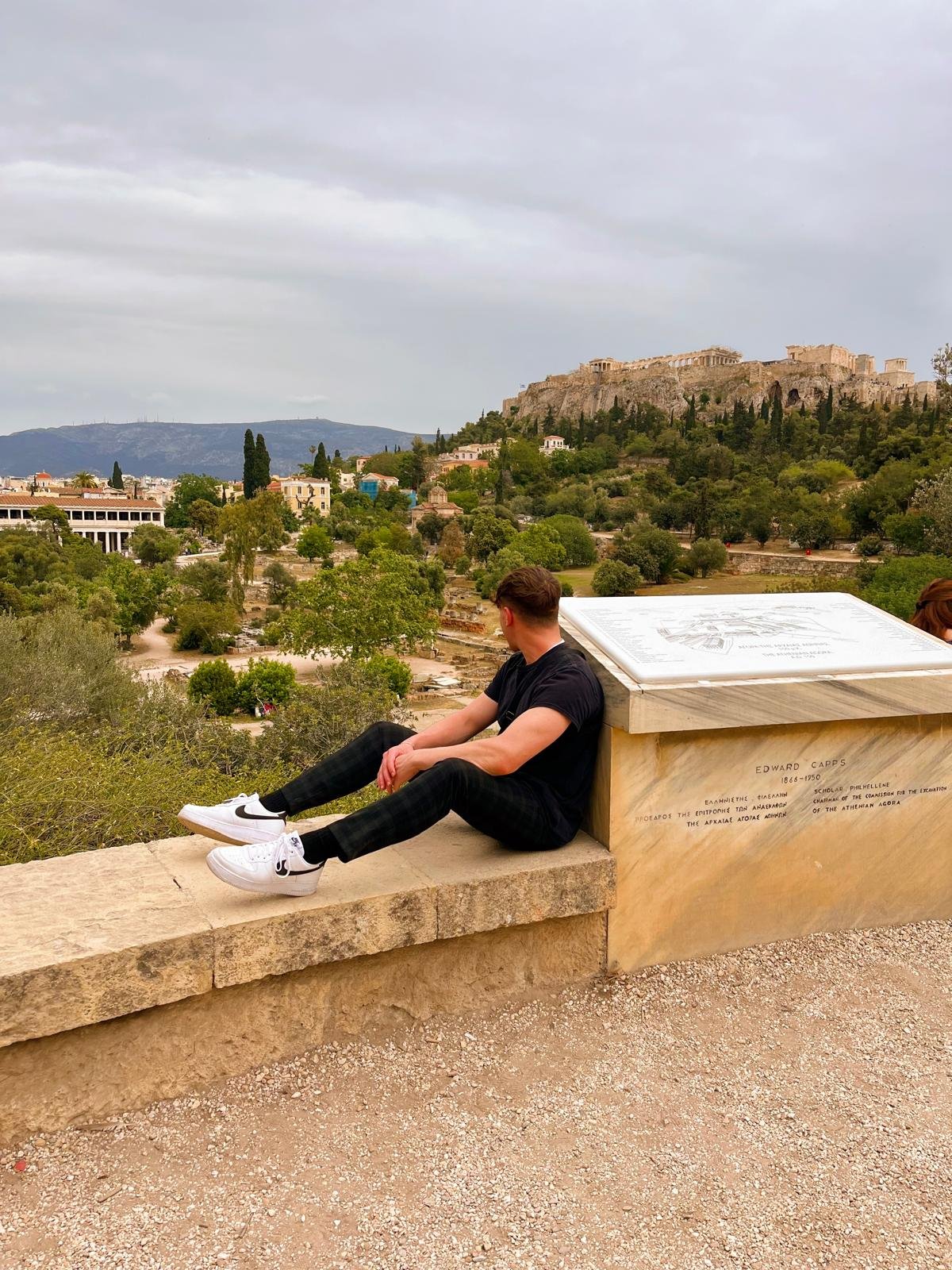
The Athenian Agora may be a classic Athens tourist destination now, but at the height of Ancient Athens it was the social and economic centre of the city. It is where people set up their markets. It is where philosophers — including the famous Socrates — walked and sat and gave speeches. It is where news would be shared, where classes were given. It was the heart of the city.
Just nearby is the Temple of Hephaestus. Not only is it one of the most beautiful, glorious, best-preserved ancient Athenian temples ever built — it also overlooks the Agora. So there you are: one of the most spectacular ancient temples that exists in this day and age behind you, and in front of you you're overlooking the ancient heart of this ancient city. Athens, with these kinds of moments, forces you to slow down, sit down, and take it all in.
The Acropolis — and why the hill matters more than the Parthenon
The Acropolis may just be the pinnacle of that feeling. The Acropolis is the ancient hill which housed various important and religious structures — the most popular and biggest being the famous Parthenon. Throughout various wars and conquests, those structures have been defiled, destroyed and ruined — but their remains stand tall on the hill, nevertheless.
Some people complain about the almost constant ongoing construction. I personally did not mind it at all. The majesty of the Acropolis, for me anyway, wasn't the Parthenon or any specific ruin on the hill — but the hill itself.
It is at the heart of the city and it is not walled off on any side. Meaning, you are surrounded, in plain view, by Athens all around you. You see and hear and feel and smell the ancient city everywhere you look. You are overlooking the same Agora, the same streets and the same distant mountains and hills that the ancient Athenians overlooked from that same hill and that same height. It truly is an absolutely breathtaking experience.
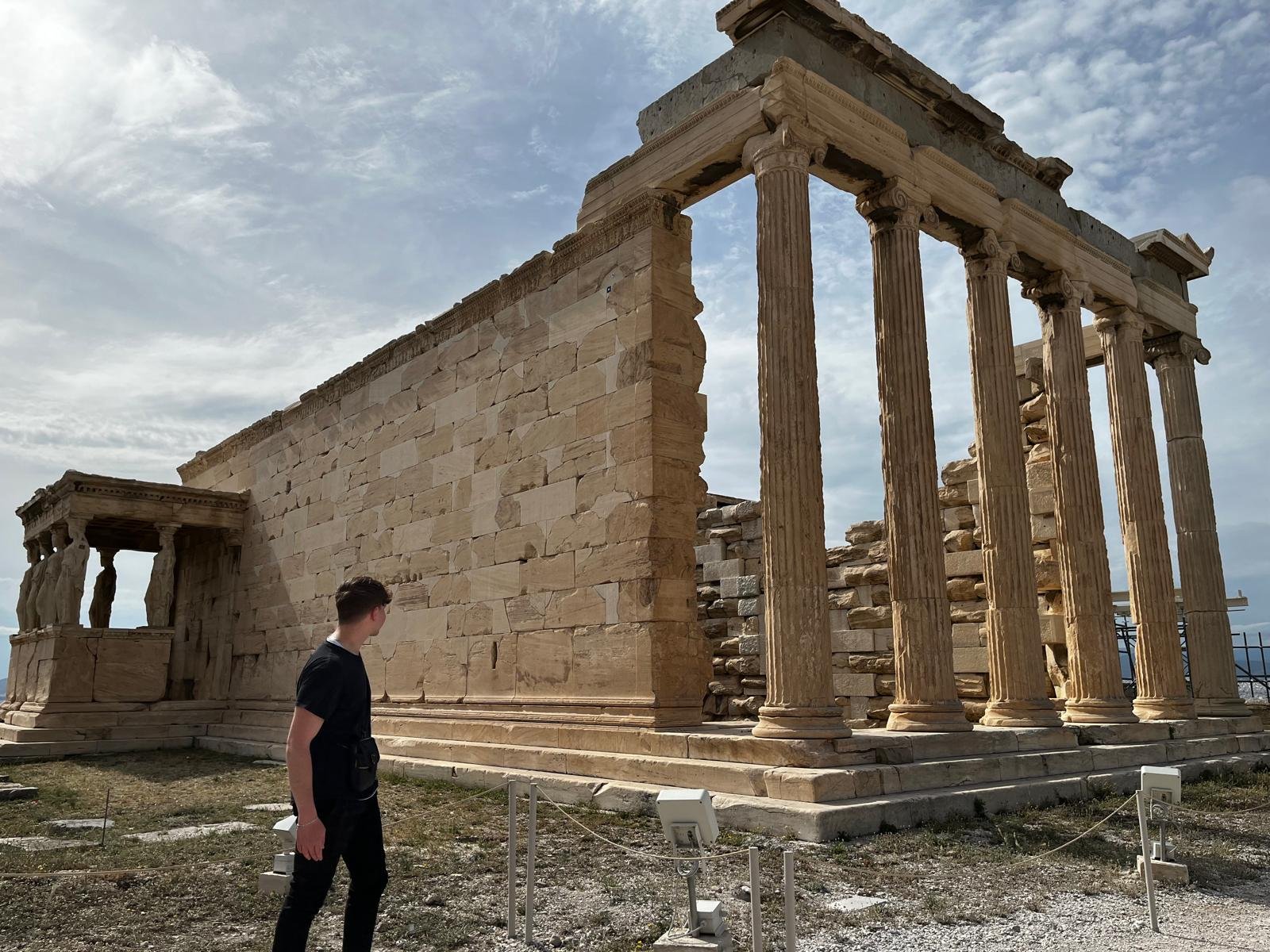
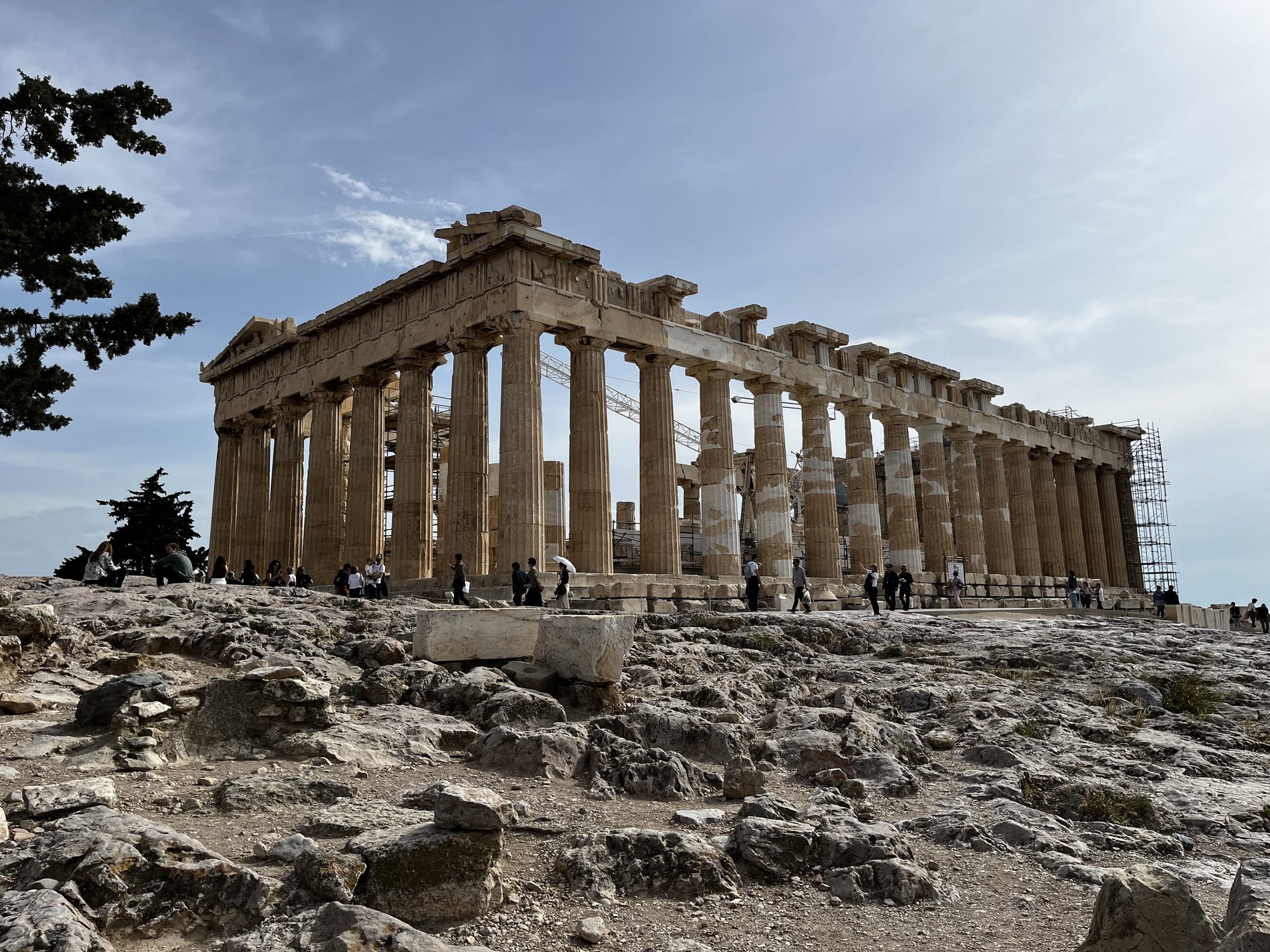
Go early. Before 9am if you can. The light is better, the crowds are smaller, and you'll have moments of near-silence up there that disappear completely by midday. This is not a minor recommendation — it is the most important single decision you will make about visiting the Acropolis.
The Museum — visit it second, not first
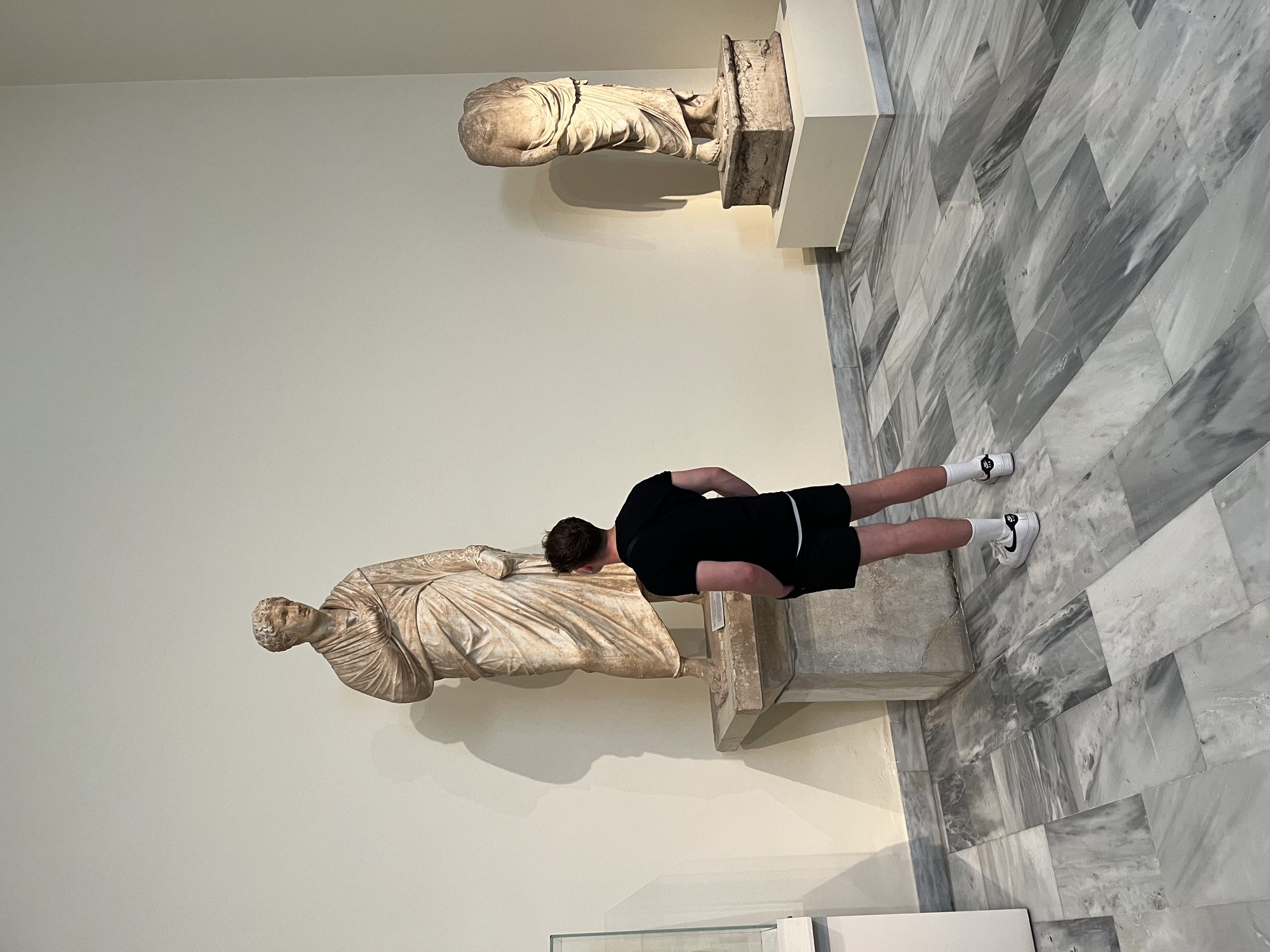
A word on the museums too. Yes, the city itself is a museum — but as I mentioned, Athens has been through the wringer in the past. It has been conquered and partially destroyed more than once. So in order to preserve its remaining history and artefacts, the city has placed various ancient objects that would normally be on the Acropolis into museums for safekeeping.
My recommendation: visit the Acropolis first, then visit the museum to see all the other various things that were found and used to be on that hill, on the Agora and in various other ruins. The sequence matters. You need the experience of standing in those places before the objects behind glass mean anything.
The Food — follow the locals, always
Spectacular, but you have to know where to go.
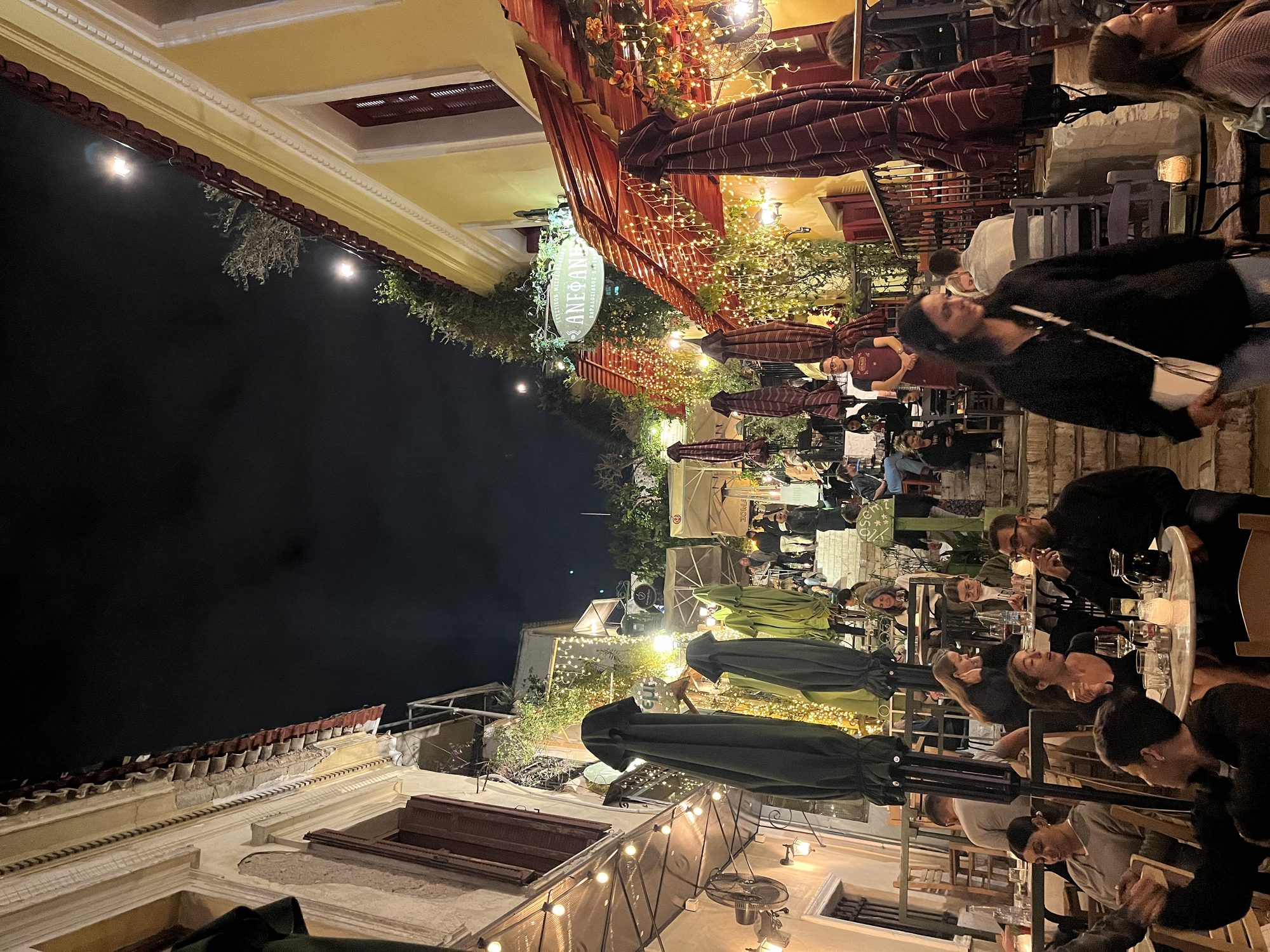
In the case of Athens, just like in the case of Rome, Madrid, Lisbon, or any of these highly touristy cities, the golden rule is: follow the locals. If you think the way to go is to find one of those restaurants with English signs, English menus and a line of tourists sitting outside — you will be disappointed. The trick is to go slightly further into the city — and when you stop hearing English around you, you'll know you're on the right track.
Eating at the spots where the locals eat gives you two things: much better prices, and much better food. It's also quieter, more intimate and a truer window into what Athenian daily life actually looks like. The food doesn't have a visual wow factor, but it tastes so authentic, so unique — like you are tasting local recipes that have been kept and passed down for generation upon generation.

The Neighbourhoods — where to actually stay
Most travel guides will tell you to base yourself in Plaka. Plaka is fine — it is beautiful, central, and full of those whitewashed lanes that look like a postcard. It is also where the bachelor parties end up at midnight. If sleep matters to you, Plaka in high season is not the answer.
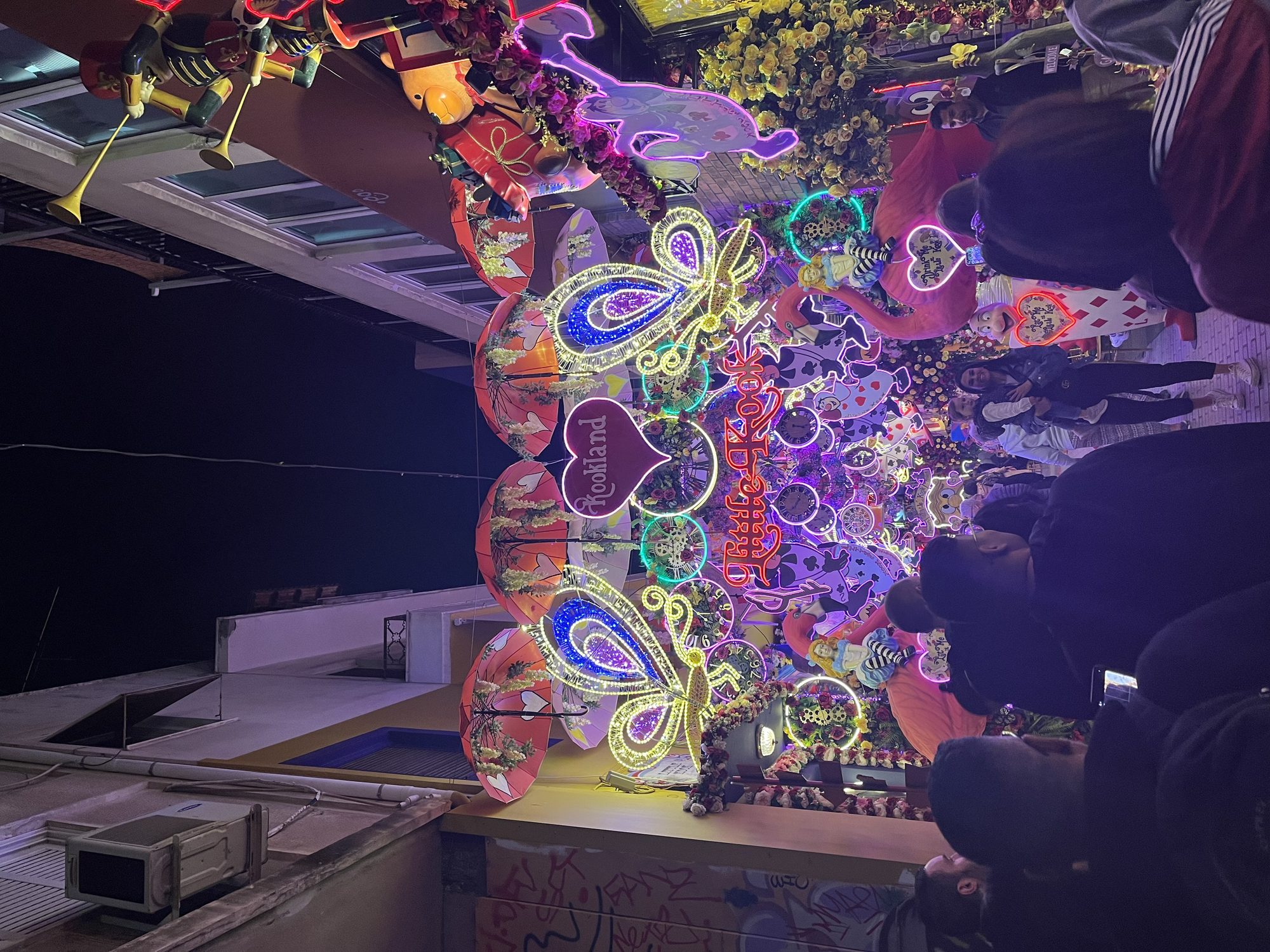
Stay in Psiri or Monastiraki. Both put you within walking distance of everything that matters — the Acropolis, the Agora, the museums, the markets — without putting you in the middle of the noise. Psiri in particular is the city the locals actually live in. By day it is artisan shops, coffee, graffiti you'll want to photograph. By night it is small bars where the music is good and the crowd is Greek.
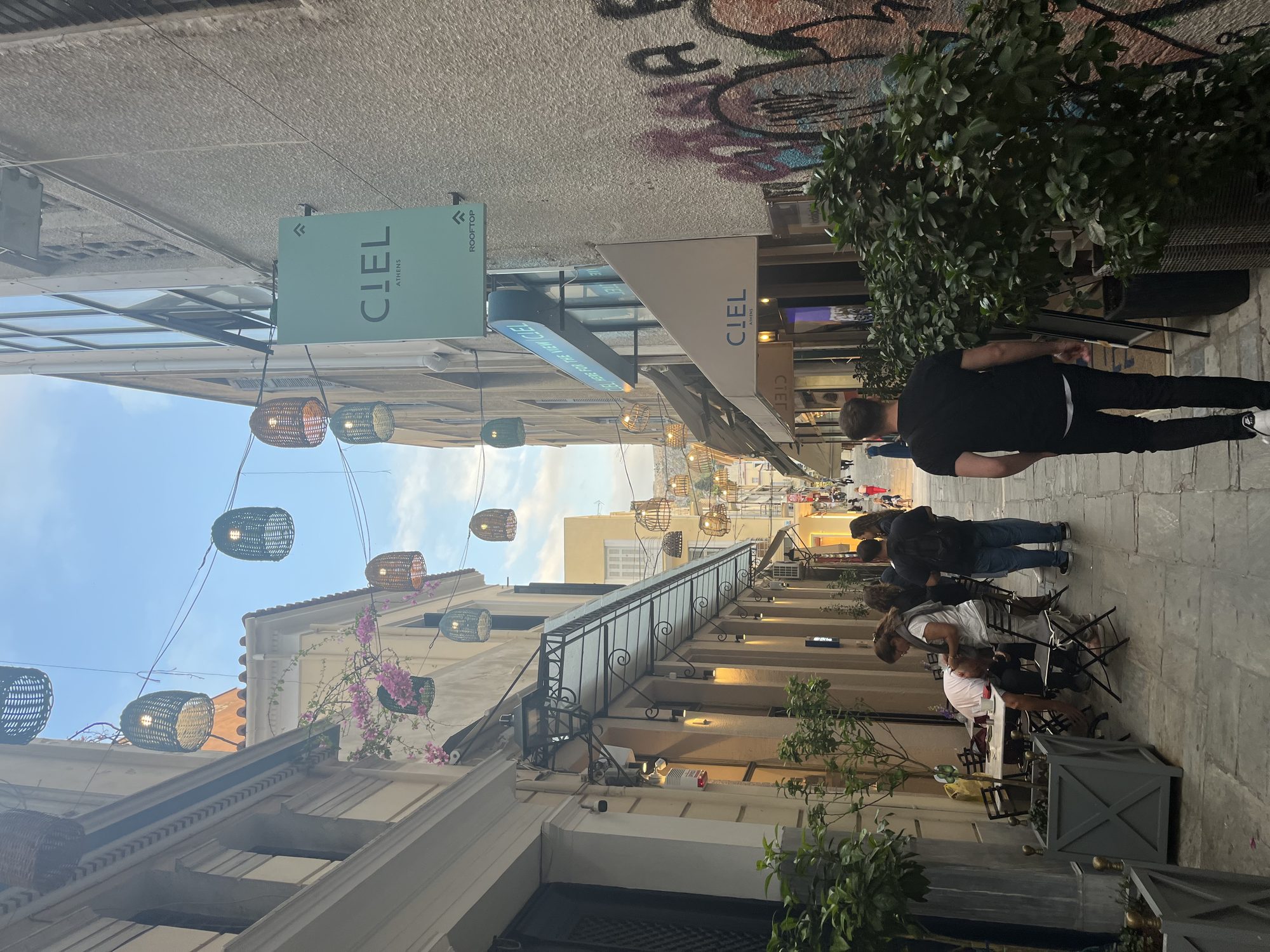
An evening in Psiri — what to expect
Athens does not eat dinner at six. Athens eats dinner at nine. Athens does not start the night until eleven. If you walk into a restaurant at seven and it is empty, that does not mean the restaurant is bad — it means you are very early. Sit down. Order a Greek salad and a glass of Assyrtiko. Wait. By nine the place will be full and the energy will be exactly what you came for.
The Mid-Article Practical — do not skip this
Athens in July and August is hot. Not Mediterranean hot — Saharan hot. We are talking 38-40°C in the middle of the day, with the marble of the Acropolis acting like a frying pan underfoot. Most days you will not enjoy walking outside between noon and 4pm.
If you can choose your dates: go in May, early June, late September, or October. The light is still beautiful, the temperature is in the 20s, the crowds are thinner, and the city is yours.
If you cannot choose your dates and you are stuck with peak summer: do the Acropolis at opening. Eat lunch indoors. Sleep through the afternoon. Come back out at 7pm when the light goes golden. This is what locals do.
The Ideal Athens Trip — day by day
Metro from the airport: €9 one way, 40 minutes to Monastiraki, runs every half hour. Skip the taxi. Save the cash for the trip.
Acropolis tickets: Buy the combo ticket online before you go — covers the Acropolis, the Agora, Hadrian's Library and Olympieion. Skips the booth queue at opening. Worth every euro.
Shoes: The marble of the Acropolis is polished smooth by 2,500 years of feet. It is genuinely slippery. Wear something with grip. Sandals are a mistake.
Cash: Most of the small Psiri places are cash-only. Withdraw €100–150 on arrival, refill from there.
How long: Five days minimum. A full week is better. Athens rewards the visitor who slows down — rushing it is the one thing you can genuinely do wrong here.
The Verdict — Go
We spent a week in Athens, and I felt like I barely scratched the surface.
Not all of Athens is as visually stunning as Santorini, but my goodness does it have depth. The locals feel real and authentic, the food is delicious, you are continuously walking through a living museum — and most importantly, you long to go back to it. You long to visit it again.
If you are going to Greece and you can only choose one place, I wrote a whole separate piece on why I think the answer is Athens — read the honest Athens vs Santorini comparison here. If you have the time and the budget, do both. The full week with Athens, Santorini and Mykonos in the right order is in the 7-day Greek itinerary — read it before you book the islands. But do not, under any circumstances, fly into Athens, change planes, and go straight to the islands. That is the one mistake you cannot un-make.
And if you are on your second Greek trip — Athens done, Santorini done, the obvious islands behind you — the next move I'd argue for is the one Greek island that breaks every Cycladic assumption: green, lush, almost-tropical, Venetian-French-British-then-Greek in that order. The full case is in Corfu — the Greek island that doesn't feel Greek.
And if you cannot get back to Athens this year and still want a stone-walled, four-hundred-year-old, European-feeling old city for a weekend — that is two hours from Montreal. I wrote about it in Quebec City — Europe without the flight. The closest North America has to an old European capital.
Five days minimum. Stay in Psiri. Acropolis at opening. Eat where the menu is in Greek. Walk Filopappou at sunset. Cape Sounion the day before you leave. You will come home and start planning the second trip.
"Changed but unmoved, broken but still standing, ruined but glorious. There is and will always only be one Athens."
One last, practical thing before you go. What you pay to sleep in Athens has less to do with the hotel than with the two companies that quietly own the booking sites you compare it on. It is worth reading who actually owns online travel — and why it costs you before you book the trip.
If you read this all the way down, there's a fair chance you've been somewhere too — and you have your own version of what just happened in this piece. I want to read it. I read every story that comes in, and I write back. The pieces that earn it go live here with your name on them, your photographs, your verdict.
This is what PONTUS
is built for.
Five days in Athens. Boutique hotel in Psiri. Acropolis tickets in your pocket. The bus to Cape Sounion at sunset. This is the kind of trip that should be normal — not a once-a-decade event you spend months recovering from financially. PONTUS members access pricing on hotels, vacations, and travel experiences that the public booking sites cannot match — through a closed travel club that has been in place for over a decade.
See How It WorksCommon questions — answered honestly
Is Athens worth visiting?
Yes — emphatically. Athens is a living ancient city: you walk the same streets and sit above the same Agora the ancient Greeks did, you eat where locals eat, and you feel a depth few capitals can give you. Most people rush it on the way to the islands and regret it. Plan at least five to seven days.
How many days do you need in Athens?
At least five to seven — more than almost anyone tells you. A day or two barely gets you past the Acropolis, and a week still leaves neighbourhoods, museums, and tavernas you didn’t reach. Athens rewards slow.
Is Athens or Santorini better?
Athens, if you can only pick one. Santorini is genuinely beautiful and worth visiting, but it is one of many stunning Greek islands — there is only one Athens. I made the full case in Athens vs Santorini.
What is the food like in Athens?
Some of the best cheap food in Europe. Skip the tourist tavernas right under the Acropolis, walk a few minutes into the real neighbourhoods, and eat where the locals do — you’ll spend little and eat gloriously.
When is the best time to visit Athens?
May or early October. You dodge the worst of the August heat and crowds, the light is kinder for the ruins, and prices across Greece fall roughly 20 to 30 percent versus peak summer.