Most Italy itineraries spend their budget on the obvious and run out of time before they reach the part of the country that surprises people the most. These are the PONTUS guides to doing it the other way: basing yourself well, picking the right ancient city, and reading the honest verdict before you commit a day to it.
Every piece below was walked, photographed, and written first-hand. Start with the verdict you came here for, or read the base-yourself guide first and let the day trips follow.
Planning the whole trip? The full day-by-day is here — the 6-Day Southern Italy Itinerary, with real, dated July 2026 costs.
The Guides
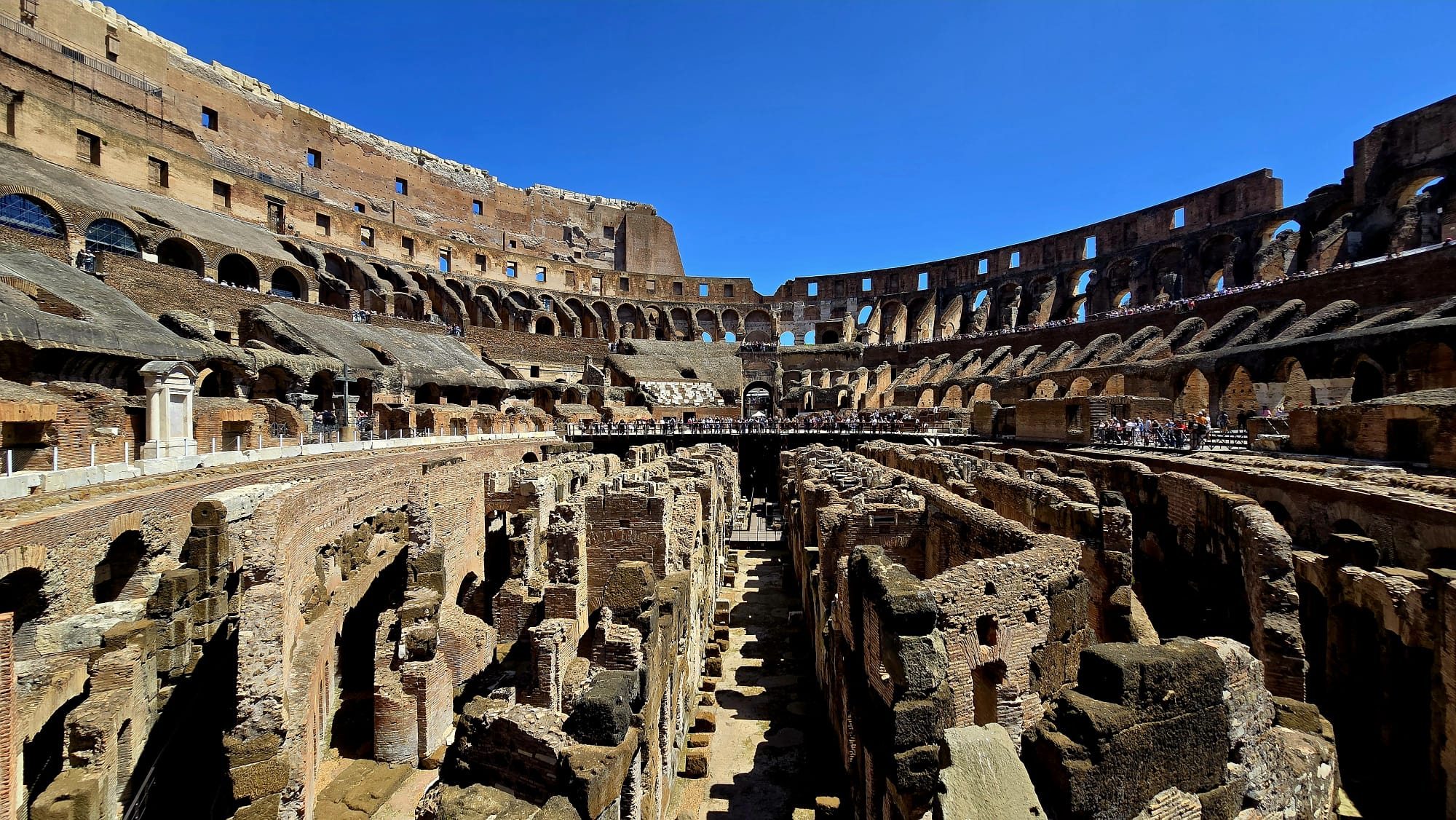
The big verdict. Naples vs Rome. One of the great mistakes in European travel — and the honest argument for why the south of Italy is where the real country lives.
Where to base yourself. Naples as your Amalfi Coast base. Most travellers default to Sorrento. The default is fine — but there is a real argument for Naples instead, and a real kind of traveller it suits.
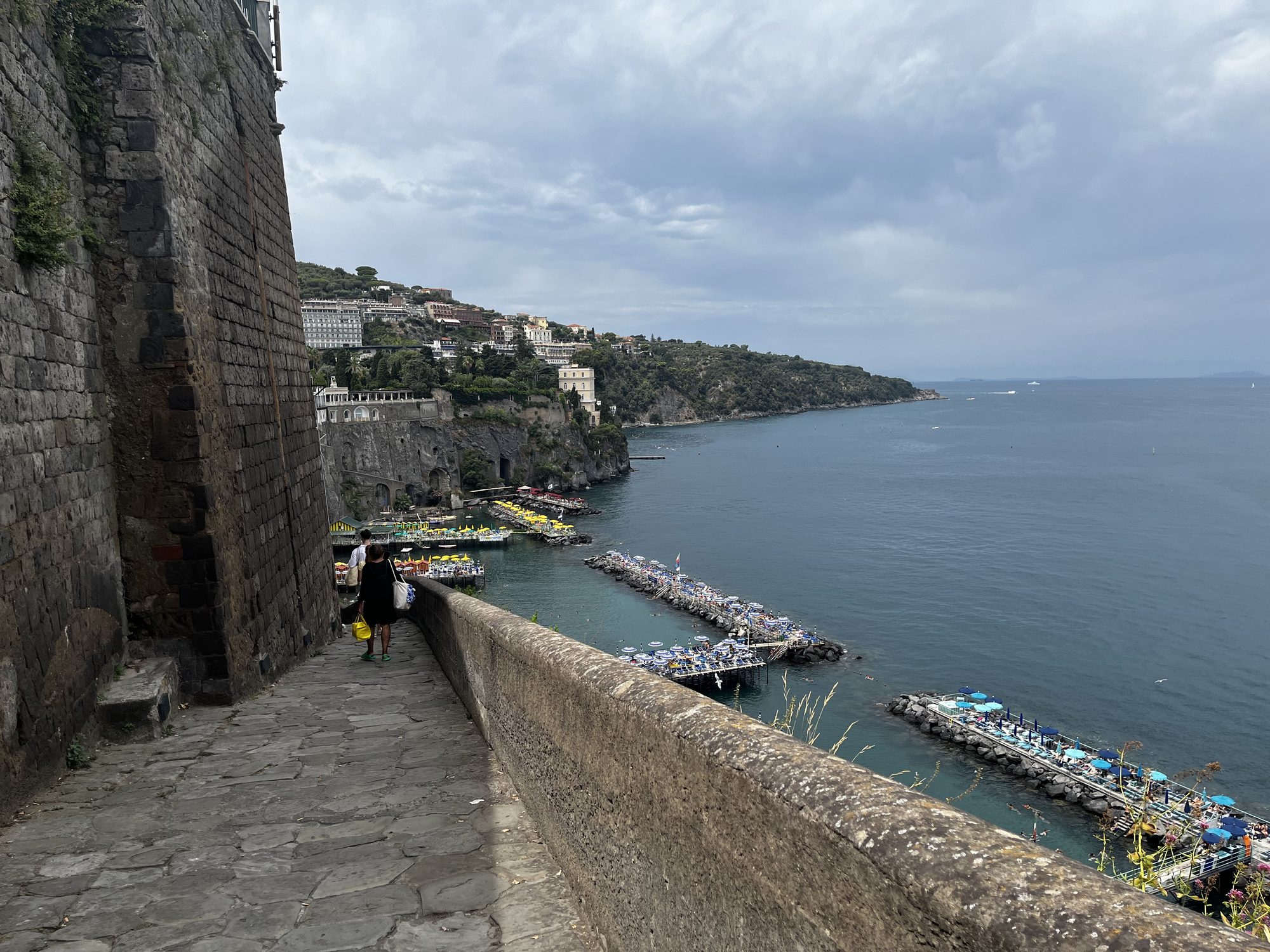
The coast debate. Positano vs Sorrento. Same coastline, two completely different arguments — from someone who stayed in Sorrento, day-tripped to Positano, and came back with a clear opinion.
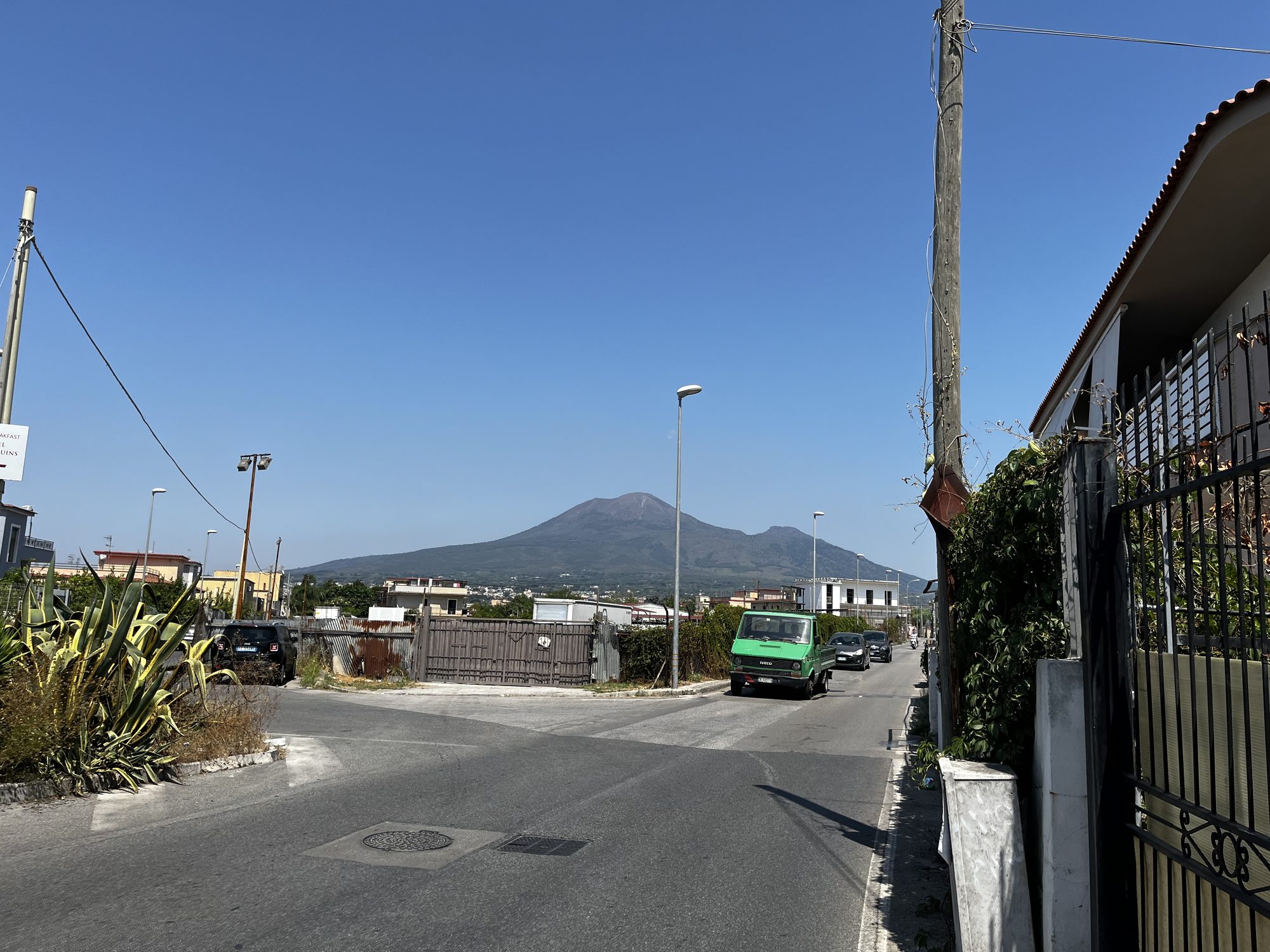
The ruins, honestly. Is Pompeii worth visiting? Yes — but be mindful of a couple of things first. An honest account of six hours in the ancient city, in July, under a cloudless sky.
Which ancient city. Pompeii or Herculaneum. Two cities, two completely different relationships with the same volcano — and the underrated case for doing both in a single day.
When to go
The south of Italy punishes bad timing more than most places. July and August bring real heat, and Pompeii under a cloudless summer sky — a ruined city with almost no shade — is the kind of day people remember for the wrong reasons. The shoulder does everything better: May into June, or September into October, when the coast is still warm enough to swim, the ruins are bearable, and the Amalfi ferries are running. Naples itself is a great year-round city; the coast half-sleeps through winter, when many hotels and boats shut down.
Getting around — Naples is the hub, the train does the work
Base yourself once and let the region come to you. Naples is the natural hub: the Circumvesuviana regional train threads Naples to Pompeii, Herculaneum, and Sorrento for a few euros — scruffy, but the cheapest and most reliable way to string the highlights together. For the Amalfi Coast proper you have two choices: the SITA buses, which are cheap, slow, and wind along a cliff edge that turns the drive into an ordeal for anyone prone to motion sickness, or the ferries, which run roughly April through October and are worth the extra every time. From Rome, the high-speed train reaches Naples in about an hour and ten minutes — closer than most people assume.
Where to base yourself
Pick the base to match the traveller, not the brochure.
Ease, connections, and the classic coast → Sorrento — the sensible-value default, and the right call for most first trips. The real city, the best food, and a bit of edge → Naples. The postcard, for a day rather than a base → Positano, which is designed to be arrived at, photographed, and left. The full case for each is in the guides above.
What the south costs, honestly
Naples is one of the best-value major cities in Italy — the food especially, which costs a fraction of what the same quality runs in Rome or Florence. The Amalfi Coast in August is the opposite end of the scale, Positano most of all. Sorrento sits sensibly in between, which is a large part of why it earns its place as a base.
Southern Italy — the questions we're asked most
Is southern Italy worth visiting?
Yes — arguably more than the north, if you want the real country rather than the postcard. Naples, the coast below it, and the cities Vesuvius stopped in an afternoon give you food, history, and drama that most Rome-and-Florence itineraries never reach. The south rewards the traveller who goes one stop further.
How many days do you need for Naples and the Amalfi Coast?
Five to seven days lets you base yourself once, give Naples a couple of days, see Pompeii or Herculaneum, and spend real time on the coast without rushing. Fewer than four and you spend the trip on the Circumvesuviana rather than in the places it connects.
Should you base yourself in Naples or Sorrento?
Sorrento for most first-timers — easy, well-connected, and a short hop from Pompeii, Positano, and Capri. Naples for the traveller who wants the real city, the best food, and a bit of edge over convenience. Positano is somewhere to visit for a day, not to base a trip on.
When is the best time to visit the Amalfi Coast?
May to June and September into October — warm enough for the coast, cool enough for the ruins, and with the Amalfi ferries running. July and August are hot and crowded, and Pompeii under a cloudless summer sky, with almost no shade, is genuinely punishing.
Pompeii or Herculaneum — which is better?
Pompeii for scale and the sense of a whole city stopped mid-life; Herculaneum for preservation, intimacy, and far smaller crowds. They are two different relationships with the same volcano, and the underrated move is to do both in a single day from the same train line.
Choosing between the two great Mediterranean trips? The bridge piece is here: Italy vs Greece — an honest verdict from both. And if Greece is pulling at you, the Greece guides carry the argument the rest of the way.
"Everyone sees Rome. The travellers who go one stop further — into Naples, down the coast, into the ash — come back talking about the south."
This is what PONTUS
is built for.
Honest guides are one half of it. The other is a different relationship with how travel is priced — the member-funded model the community side of PONTUS runs on.
- For those who want to be part of a community of like-minded people
- For those who don't want to break the bank just because they want to see the world
- For those who are ready to put the effort in and build their own earnings from the travel industry
Whatever you want, whatever you choose — PONTUS is here.
Join the Community